THE ADVENTURE COLLECTIVE® · Independent discovery and booking for outdoor travel

A focused, guided two-day ascent of Pico de Orizaba from Mexico City that balances technical glacier travel with careful acclimatization. Ideal for climbers seeking a meaningful summit experience rather than a checklist climb.
A focused, guided two-day ascent of Pico de Orizaba from Mexico City that balances technical glacier travel with careful acclimatization. Ideal for climbers seeking a meaningful summit experience rather than a checklist climb.
Dawn breaks over a volcanic silhouette that dominates the Gulf coastal plain; wind threads cold air through the skeleton of old lava and snow. On a two-day guided ascent from Mexico City, climbers move from pine-scented roads into the thin, stinging air of Pico de Orizaba — Citlaltépetl — Mexico’s highest peak at 5,636 m.
Verified experiences and guided adventures in the surrounding area.
Operated by Roca Santa · Tlachichuca, Puebla
Dawn breaks over a volcanic silhouette that dominates the Gulf coastal plain; wind threads cold air through the skeleton of old lava and snow. On a two-day guided ascent from Mexico City, climbers move from pine-scented roads into the thin, stinging air of Pico de Orizaba — Citlaltépetl — Mexico’s highest peak at 5,636 m.
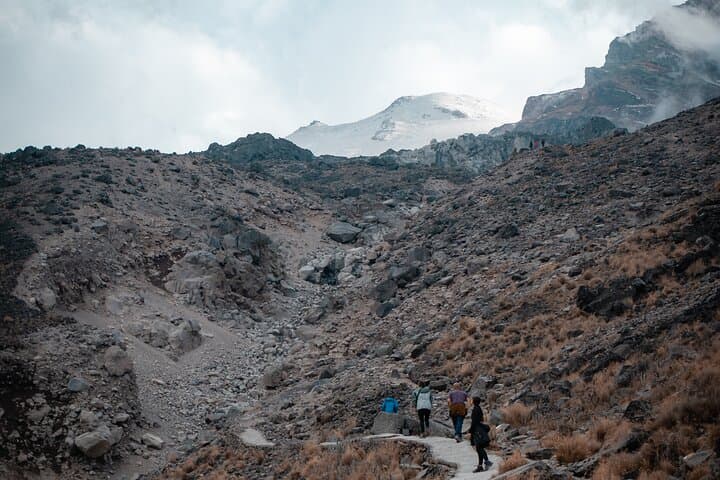
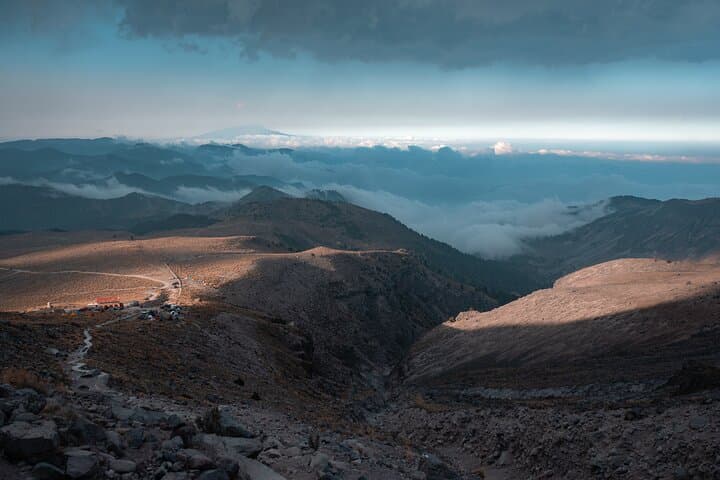
The mountain is a stratovolcano with a glaciated crown, its name in Nahuatl meaning "Star Mountain." Geology here is blunt: layers of andesite and dacite built over millennia, with glaciers carving ridges and seracs. The route approaches from Tlachichuca, a working mountain town where local guides and campesino culture set the tone for careful, communal climbing. Refuge Piedra Grande and small base shelters act as staging grounds for acclimatization and the summit push.
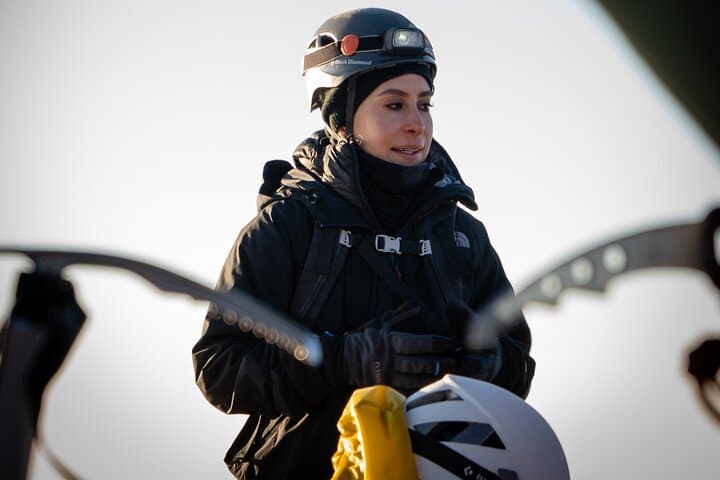
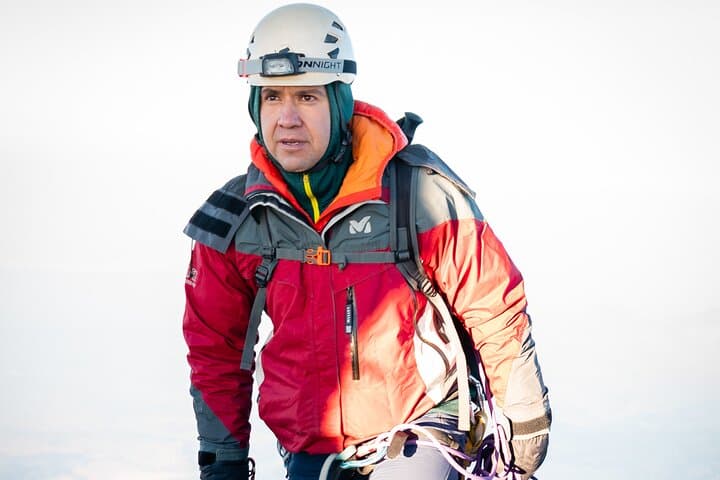
Practically, expect one night at base shelter, an acclimatization walk, then a pre-dawn summit push that includes glacier travel, crampon and ice-axe sections, and guided rope-team work. Guides typically provide technical gear (crampons, harness, helmet) and a 1:2 guide-to-client ratio; participants should bring layered clothing, a warm sleeping bag, and high-altitude experience or recent conditioning.
Timing is everything: start early, pace steadily, and hydrate — altitude, not distance, will be the deciding factor. Weather can shift rapidly; clear mornings can become whiteouts by afternoon. Leave no trace, follow guide instructions on rope teams and glacier crossings, and prepare mentally for long hours at altitude. The result is more than a peak—it's a disciplined encounter with one of Mexico’s great volcanoes.
challenging.
2 days (approx. 48 hours).
Good aerobic fitness with experience on long days and previous high-altitude hikes; comfortable standing and moving for 10–14 hour summit days.
Physically demanding: fitness matters, but technical difficulty is moderate when guided; the main challenge is altitude and sustained exertion over many hours.
Not strictly—guides provide technical support—but prior experience with crampons and ice-axe use is highly recommended for safety and efficiency.
Guides typically supply crampons, harness, helmet and rope systems; participants should bring personal clothing, boots, and sleeping gear unless otherwise noted.
Dry-season months (late fall through spring) offer more stable weather and firmer snow; however conditions can change quickly any time of year.
Citlaltépetl (Pico de Orizaba) is Mexico’s tallest peak at 5,636 m and a dormant stratovolcano long referenced in Nahuatl lore and colonial exploration.
The mountain sits within a national park; stick to established trails, pack out waste, and minimize campsite impacts to protect fragile high-elevation ecosystems.
Roca Santa operates guided outdoor trips and adventures with an emphasis on safety, stewardship, and memorable experiences.
Dawn breaks over a volcanic silhouette that dominates the Gulf coastal plain; wind threads cold air through the skeleton of old lava and snow. On a two-day guided ascent from Mexico City, climbers move from pine-scented roads into the thin, stinging air of Pico de Orizaba — Citlaltépetl — Mexico’s highest peak at 5,636 m.
Dawn breaks over a volcanic silhouette that dominates the Gulf coastal plain; wind threads cold air through the skeleton of old lava and snow. On a two-day guided ascent from Mexico City, climbers move from pine-scented roads into the thin, stinging air of Pico de Orizaba — Citlaltépetl — Mexico’s highest peak at 5,636 m.
The mountain is a stratovolcano with a glaciated crown, its name in Nahuatl meaning "Star Mountain." Geology here is blunt: layers of andesite and dacite built over millennia, with glaciers carving ridges and seracs. The route approaches from Tlachichuca, a working mountain town where local guides and campesino culture set the tone for careful, communal climbing. Refuge Piedra Grande and small base shelters act as staging grounds for acclimatization and the summit push.
Practically, expect one night at base shelter, an acclimatization walk, then a pre-dawn summit push that includes glacier travel, crampon and ice-axe sections, and guided rope-team work. Guides typically provide technical gear (crampons, harness, helmet) and a 1:2 guide-to-client ratio; participants should bring layered clothing, a warm sleeping bag, and high-altitude experience or recent conditioning.
Timing is everything: start early, pace steadily, and hydrate — altitude, not distance, will be the deciding factor. Weather can shift rapidly; clear mornings can become whiteouts by afternoon. Leave no trace, follow guide instructions on rope teams and glacier crossings, and prepare mentally for long hours at altitude. The result is more than a peak—it's a disciplined encounter with one of Mexico’s great volcanoes.