THE ADVENTURE COLLECTIVE® · Independent discovery and booking for outdoor travel

Ascend from Grand Central into a multi-floor, immersive observation experience that reframes the Manhattan skyline. This guide covers what to expect, brief history, and practical tips for making the most of SUMMIT One Vanderbilt.
Ascend from Grand Central into a multi-floor, immersive observation experience that reframes the Manhattan skyline. This guide covers what to expect, brief history, and practical tips for making the most of SUMMIT One Vanderbilt.
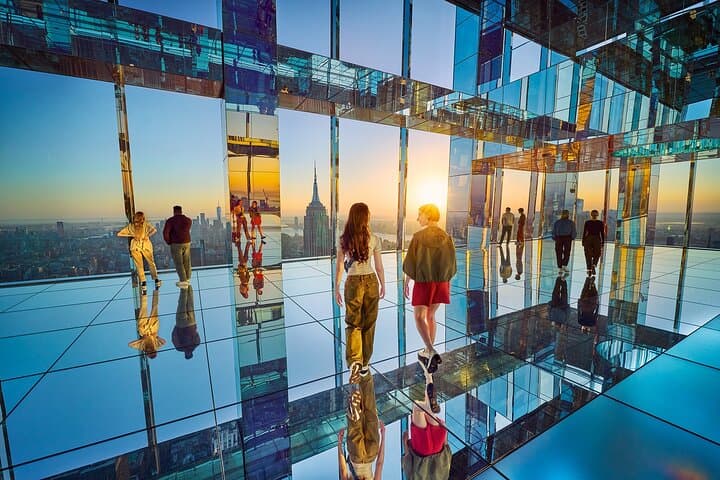
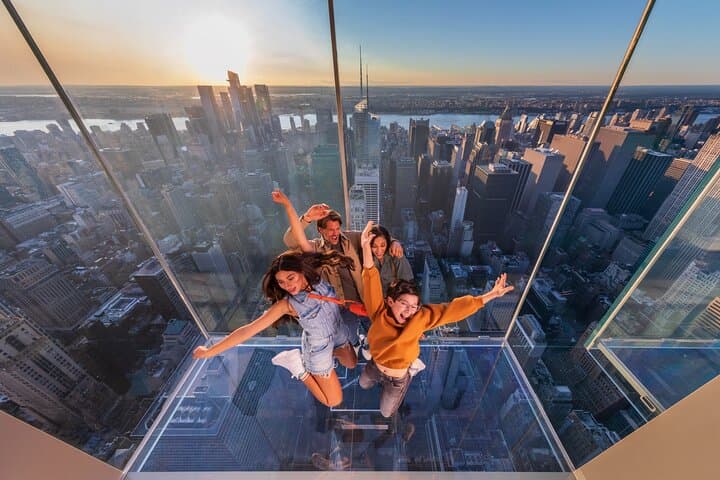
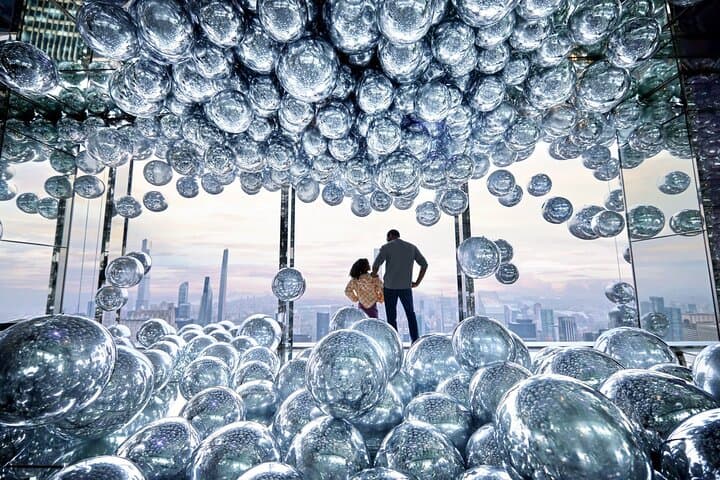
You step from Grand Central’s warm marble into a glass elevator and rise until the city rearranges itself beneath you: avenues become threads, rooftops become a tessellated plane. SUMMIT One Vanderbilt pulls the skyline close — three floors of mirrored walkways, immersive installations and two glass-enclosed “levitation” boxes that push you beyond ordinary viewpoints.
Verified experiences and guided adventures in the surrounding area.
Operated by SUMMIT ONE VANDERBILT · New York, NY
You step from Grand Central’s warm marble into a glass elevator and rise until the city rearranges itself beneath you: avenues become threads, rooftops become a tessellated plane. SUMMIT One Vanderbilt pulls the skyline close — three floors of mirrored walkways, immersive installations and two glass-enclosed “levitation” boxes that push you beyond ordinary viewpoints.
The vantage sits on land of Manhattan schist, the same hard bedrock that allowed early 20th-century engineers to plant skyscrapers in Midtown. SUMMIT’s modern glass and light art intentionally converses with nearby landmarks: the sculpted Gothic arteries of Grand Central, the stepped crown of the Chrysler Building and the long silhouette of the Empire State Building. Culturally, it’s an urban observatory and a digital art gallery in one — part skyline tourism, part sensory installation.
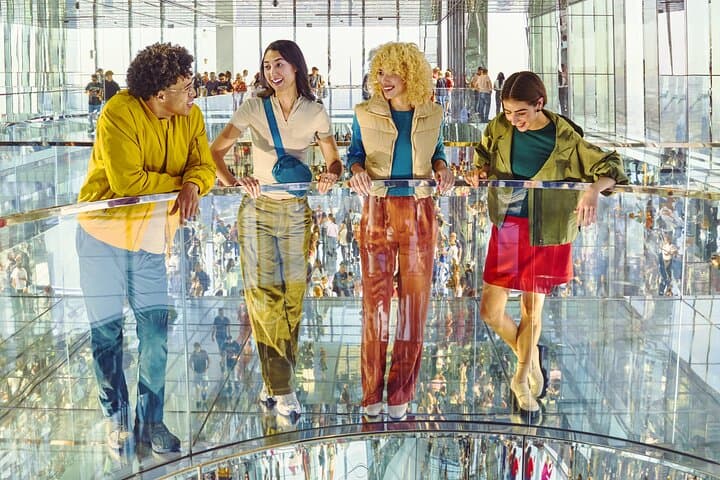
Expect crowd management, timed-entry windows and quick-moving security at the Vanderbilt Passage entrance. Interiors include mirrored floors and reflective walls that alter distance perception; the levitation boxes extend outward for close-up city sightings. Accessibility is strong — elevators and level access connect the Main Concourse to SUMMIT.
Practical notes: reserve a timed ticket, arrive early to clear security, and avoid bulky bags (no storage on-site). Flat, non-marking shoes make mirrored floors easier and safer; layered clothing helps — wind at higher elevations can feel colder than the street. Photography is welcome but be mindful of other visitors in tight viewpoints. For urban adventurers, SUMMIT is less about a long hike and more about a concentrated, elevated encounter with New York’s geology, architecture and ongoing skyline story.
easy.
1–3 hours.
Minimal fitness required; ability to stand and navigate stairs or small inclines for short periods is helpful
Yes. All tickets have a scheduled entry time; arrive at least 15–20 minutes early to pass security and check-in or you risk being turned away or rescheduled.
Yes. The venue provides elevator access and is wheelchair accessible from Grand Central’s Main Concourse level.
Strollers are permitted but expect crowds and some narrow viewpoints; children under a certain age may enter free with a paying adult per operator policy.
Large bags, suitcases and certain footwear (stiletto heels, steel-toe boots) are not allowed; dress to avoid unwanted exposure on glass and mirrored floors.
SUMMIT crowns One Vanderbilt, a recent addition to Midtown’s skyline that joins a long history of skyscraper engineering anchored on Manhattan schist and built alongside the 1913 Grand Central Terminal.
Reduce impact by using public transit into Grand Central and obeying venue rules about bags and crowd flow; high-footfall urban attractions depend on visitor compliance to protect installations and maintain safety.
SUMMIT ONE VANDERBILT operates guided outdoor trips and adventures with an emphasis on safety, stewardship, and memorable experiences.
You step from Grand Central’s warm marble into a glass elevator and rise until the city rearranges itself beneath you: avenues become threads, rooftops become a tessellated plane. SUMMIT One Vanderbilt pulls the skyline close — three floors of mirrored walkways, immersive installations and two glass-enclosed “levitation” boxes that push you beyond ordinary viewpoints.
You step from Grand Central’s warm marble into a glass elevator and rise until the city rearranges itself beneath you: avenues become threads, rooftops become a tessellated plane. SUMMIT One Vanderbilt pulls the skyline close — three floors of mirrored walkways, immersive installations and two glass-enclosed “levitation” boxes that push you beyond ordinary viewpoints.
The vantage sits on land of Manhattan schist, the same hard bedrock that allowed early 20th-century engineers to plant skyscrapers in Midtown. SUMMIT’s modern glass and light art intentionally converses with nearby landmarks: the sculpted Gothic arteries of Grand Central, the stepped crown of the Chrysler Building and the long silhouette of the Empire State Building. Culturally, it’s an urban observatory and a digital art gallery in one — part skyline tourism, part sensory installation.
Expect crowd management, timed-entry windows and quick-moving security at the Vanderbilt Passage entrance. Interiors include mirrored floors and reflective walls that alter distance perception; the levitation boxes extend outward for close-up city sightings. Accessibility is strong — elevators and level access connect the Main Concourse to SUMMIT.
Practical notes: reserve a timed ticket, arrive early to clear security, and avoid bulky bags (no storage on-site). Flat, non-marking shoes make mirrored floors easier and safer; layered clothing helps — wind at higher elevations can feel colder than the street. Photography is welcome but be mindful of other visitors in tight viewpoints. For urban adventurers, SUMMIT is less about a long hike and more about a concentrated, elevated encounter with New York’s geology, architecture and ongoing skyline story.