THE ADVENTURE COLLECTIVE® · Independent discovery and booking for outdoor travel

This four-day guided expedition from Ibagué climbs Nevado del Tolima to 5,232 m over mixed alpine, glacial and volcanic terrain. Expect high-altitude camping, technical glacier sections and a soak in canyon hot springs on the descent.
This four-day guided expedition from Ibagué climbs Nevado del Tolima to 5,232 m over mixed alpine, glacial and volcanic terrain. Expect high-altitude camping, technical glacier sections and a soak in canyon hot springs on the descent.
Dawn in Ibagué is a low, cold light that slides over the Cordillera Central. You board a 4×4 before 4 a.m., the road unspooling through coffee farms and cloud-slick hills until Palomar gives way to volcanic scree. By the second day you’re breathing thinner air, the trail turning from páramo grass to sandy moraine and finally to icy, wind-scoured slopes where the volcano seems to push back against your ascent.
Verified experiences and guided adventures in the surrounding area.
Operated by Espeletia Expedition · Ibagué, Tolima
Dawn in Ibagué is a low, cold light that slides over the Cordillera Central. You board a 4×4 before 4 a.m., the road unspooling through coffee farms and cloud-slick hills until Palomar gives way to volcanic scree. By the second day you’re breathing thinner air, the trail turning from páramo grass to sandy moraine and finally to icy, wind-scoured slopes where the volcano seems to push back against your ascent.
Nevado del Tolima sits in the Los Nevados range, a Pleistocene stratovolcano shaped by glacier erosion and repeated eruptions; from its 5,232 m summit you can sometimes pick out Nevado del Ruiz and Santa Isabel on the horizon. The region holds indigenous Paez and Quimbaya histories—paths, cairns and place names that speak to long human travel across these alpine corridors.
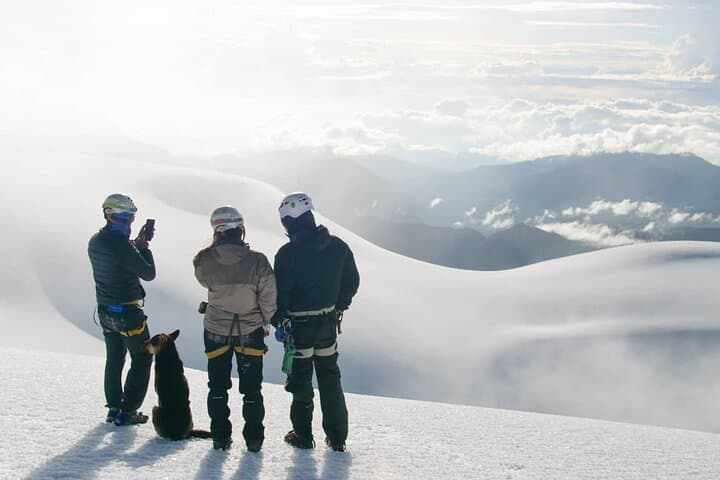
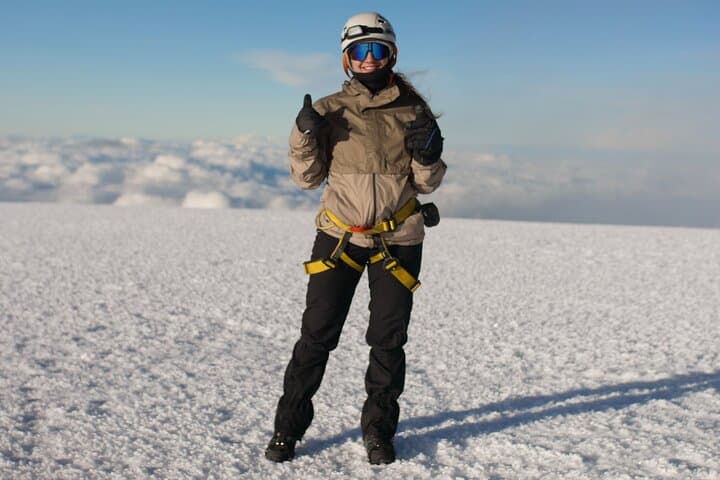
Expect a mix of wet, hilly trails, glacial sand and rock; camps alternate between rustic cabins and high mountain tents. Guides use crampons, ice axes and rope teams on the final glacier sections; hot springs at the canyon are the welcome denouement.
Practical guide: acclimate in Ibagué (2,600 m) before departure, carry layered insulation and sun protection, and plan for rapidly changing weather. Hydrate constantly at altitude, pace conservatively on the summit push, and rely on trained guides for glacier travel. This is a demanding, equipment-heavy climb—rewarded by sweeping icefields, hot spring relief, and close encounters with high Andean ecology.
difficult.
4 days.
High cardiovascular fitness and endurance for long days at altitude; prior multi-day trekking experience recommended.
The summit day is long (up to 10 hours) with ~870 m ascent on glacial and rocky terrain; it requires steady pacing and prior acclimatization.
Yes—participants should have experience with multi-day trekking and basic crampon/ice-axe use, or be prepared to learn under guide supervision.
Nights are spent in a rural cabin the first evening and in tents at high camps; organizers supply camping gear and communal meals.
Guides monitor symptoms, recommend acclimatization, hydration, slow ascent, and carry an emergency rescue policy; inform them of any medical issues before booking.
Nevado del Tolima has long been part of indigenous highland routes and later became a focus for Andean naturalists; its glaciers and eruptions shaped local settlement patterns.
The Los Nevados area is managed to protect páramo water sources and fragile alpine ecosystems; stick to marked trails and follow leave-no-trace rules to limit erosion and waste.
Espeletia Expedition operates guided outdoor trips and adventures with an emphasis on safety, stewardship, and memorable experiences.
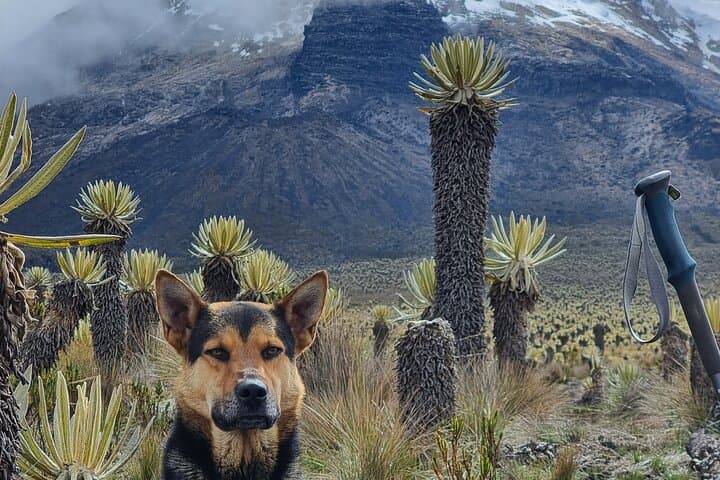
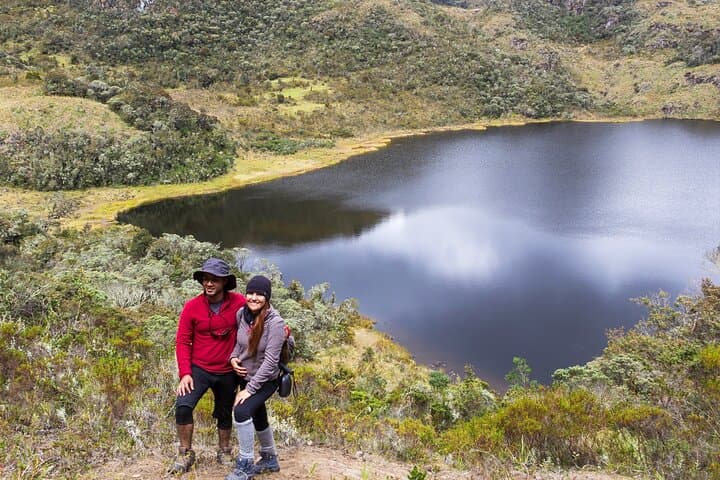
Dawn in Ibagué is a low, cold light that slides over the Cordillera Central. You board a 4×4 before 4 a.m., the road unspooling through coffee farms and cloud-slick hills until Palomar gives way to volcanic scree. By the second day you’re breathing thinner air, the trail turning from páramo grass to sandy moraine and finally to icy, wind-scoured slopes where the volcano seems to push back against your ascent.
Dawn in Ibagué is a low, cold light that slides over the Cordillera Central. You board a 4×4 before 4 a.m., the road unspooling through coffee farms and cloud-slick hills until Palomar gives way to volcanic scree. By the second day you’re breathing thinner air, the trail turning from páramo grass to sandy moraine and finally to icy, wind-scoured slopes where the volcano seems to push back against your ascent.
Nevado del Tolima sits in the Los Nevados range, a Pleistocene stratovolcano shaped by glacier erosion and repeated eruptions; from its 5,232 m summit you can sometimes pick out Nevado del Ruiz and Santa Isabel on the horizon. The region holds indigenous Paez and Quimbaya histories—paths, cairns and place names that speak to long human travel across these alpine corridors.
Expect a mix of wet, hilly trails, glacial sand and rock; camps alternate between rustic cabins and high mountain tents. Guides use crampons, ice axes and rope teams on the final glacier sections; hot springs at the canyon are the welcome denouement.
Practical guide: acclimate in Ibagué (2,600 m) before departure, carry layered insulation and sun protection, and plan for rapidly changing weather. Hydrate constantly at altitude, pace conservatively on the summit push, and rely on trained guides for glacier travel. This is a demanding, equipment-heavy climb—rewarded by sweeping icefields, hot spring relief, and close encounters with high Andean ecology.