THE ADVENTURE COLLECTIVE® · Independent discovery and booking for outdoor travel

A high-altitude day hike to Pico del Fraile on Nevado de Toluca offers crater-rim panoramas and close-up views of Laguna del Sol and Laguna de la Luna. Expect loose volcanic terrain, thin air above 4,000 m, and a full-day outing with guided transport and snacks.
A high-altitude day hike to Pico del Fraile on Nevado de Toluca offers crater-rim panoramas and close-up views of Laguna del Sol and Laguna de la Luna. Expect loose volcanic terrain, thin air above 4,000 m, and a full-day outing with guided transport and snacks.
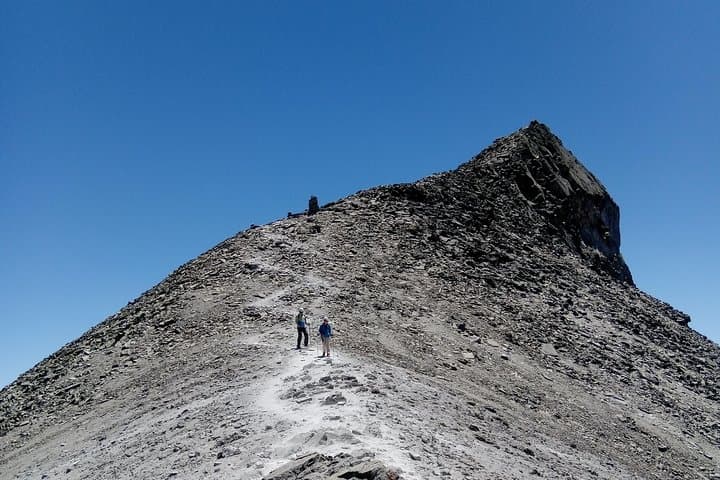
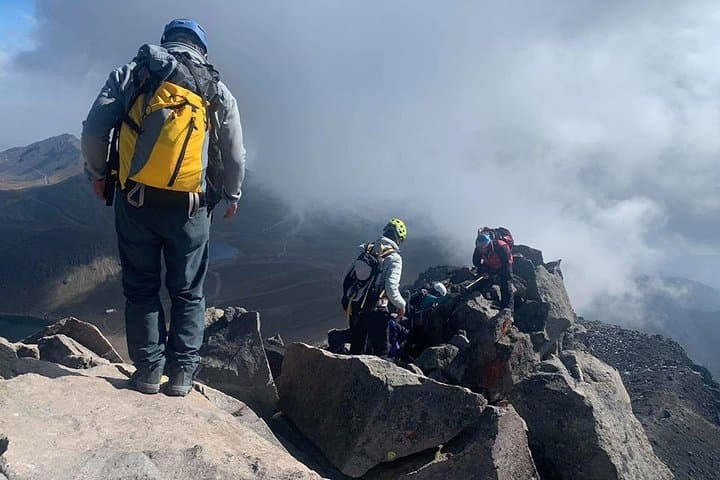
Cold air cuts across the rim as you step off the minivan — volcanic scree crunches underfoot, and the crater yawns with a pair of high-altitude lakes that dare you to look down.
Verified experiences and guided adventures in the surrounding area.
Operated by Yacana Outdoors · Toluca, State of Mexico
Cold air cuts across the rim as you step off the minivan — volcanic scree crunches underfoot, and the crater yawns with a pair of high-altitude lakes that dare you to look down.
Nevado de Toluca (Xinantécatl) is an extinct stratovolcano whose glacially sculpted crater holds the Laguna del Sol and Laguna de la Luna. Pico del Fraile sits along the crater lip, offering sweeping views of the State of Mexico and, on clear days, the distant sprawl of Mexico City. Indigenous communities long regarded the mountain as a highland landmark; its slopes preserve volcanic rock, pumice fields and patches of alpine grass shaped by ice and wind.
This is a day-hike built around altitude and exposure: expect thin air above 4,000 m, loose volcanic soil, and sudden weather swings. Guides often pick routes to match group fitness, and tours commonly include private transport, breakfast and snacks — useful when you’re traveling from the valley below.
Practical guidance: start before dawn to avoid afternoon winds and storms, carry 2–3 liters of water, and layer for wind and sun. Sturdy, treaded boots help on steeper scree sections; trekking poles ease the descent. Allow time to acclimatize if you’ve come straight from sea level — headaches and breathlessness are common at high elevations.
Respect the fragile alpine vegetation, pack out waste, and be prepared for snow on the rim in winter. When the wind pushes, the mountain feels alive — a brisk companion that rewards the climb with clear, far-reaching views and the quiet of high places.
Pico del Fraile sits on Nevado de Toluca's crater rim near 4,000–4,600 m; most hikers notice thinner air and should expect possible shortness of breath and mild altitude symptoms.
No technical climbing skills are required, but you should have solid hiking experience and fitness for sustained uphill hiking on loose volcanic terrain.
Common inclusions are private transportation from the pickup point, breakfast, snacks, guiding, and select park fees — confirm specifics with the operator before booking.
Spring through fall are popular for clearer trails; winter brings snow on the rim and requires warmer gear and caution for icy sections.
Yacana Outdoors operates guided outdoor trips and adventures with an emphasis on safety, stewardship, and memorable experiences.


Cold air cuts across the rim as you step off the minivan — volcanic scree crunches underfoot, and the crater yawns with a pair of high-altitude lakes that dare you to look down.
Cold air cuts across the rim as you step off the minivan — volcanic scree crunches underfoot, and the crater yawns with a pair of high-altitude lakes that dare you to look down.
Nevado de Toluca (Xinantécatl) is an extinct stratovolcano whose glacially sculpted crater holds the Laguna del Sol and Laguna de la Luna. Pico del Fraile sits along the crater lip, offering sweeping views of the State of Mexico and, on clear days, the distant sprawl of Mexico City. Indigenous communities long regarded the mountain as a highland landmark; its slopes preserve volcanic rock, pumice fields and patches of alpine grass shaped by ice and wind.
This is a day-hike built around altitude and exposure: expect thin air above 4,000 m, loose volcanic soil, and sudden weather swings. Guides often pick routes to match group fitness, and tours commonly include private transport, breakfast and snacks — useful when you’re traveling from the valley below.
Practical guidance: start before dawn to avoid afternoon winds and storms, carry 2–3 liters of water, and layer for wind and sun. Sturdy, treaded boots help on steeper scree sections; trekking poles ease the descent. Allow time to acclimatize if you’ve come straight from sea level — headaches and breathlessness are common at high elevations.
Respect the fragile alpine vegetation, pack out waste, and be prepared for snow on the rim in winter. When the wind pushes, the mountain feels alive — a brisk companion that rewards the climb with clear, far-reaching views and the quiet of high places.