THE ADVENTURE COLLECTIVE® · Independent discovery and booking for outdoor travel

A long, technical day that reaches Mytikas (2,918 m) on Mount Olympus. Expect steep limestone ridges, exposed scrambling, and guided rope sections—an alpine climb best done with experienced guides and solid fitness.
A long, technical day that reaches Mytikas (2,918 m) on Mount Olympus. Expect steep limestone ridges, exposed scrambling, and guided rope sections—an alpine climb best done with experienced guides and solid fitness.
Dawn in Litochoro feels electric: minibuses load, headlamps fade, and the road up to Olympus narrows into hairpins where pines give way to stony gullies. After a long drive to the south-side high point in Christakis Valley you tighten boots and clip helmets—what follows is a full-day push to Mytikas, Greece’s highest point at 2,918 m.
Verified experiences and guided adventures in the surrounding area.
Operated by Xtremeway Outdoors Ltd · Litochoro, Central Macedonia
Dawn in Litochoro feels electric: minibuses load, headlamps fade, and the road up to Olympus narrows into hairpins where pines give way to stony gullies. After a long drive to the south-side high point in Christakis Valley you tighten boots and clip helmets—what follows is a full-day push to Mytikas, Greece’s highest point at 2,918 m.
Geology here is blunt and honest: steep limestone ridges, karst hollows and shale scree that demand deliberate footwork. Olympus has been a place of story and science for millennia—ancient Greeks called it the home of the gods, and modern naturalists prize the mountain’s endemic plants and layered cliffs. Culture clings to the foothills in villages like Litochoro and the archaeology around Dion, giving the climb a human context beyond the summit photo.
The guided itinerary moves up a well-marked trail to Skala (approx. 2,880 m) then a demanding 600 m ascent of exposed rock where rope techniques and short protected pitches are used. Expect mixed terrain—steep talus, fixed cables in portions, and hands-on scrambling. The top rewards you with sweeping Aegean and Thessaly views; the mountaineer’s book is often signed beneath a wind-buffed cairn.
Practical edge: this is a 12-hour outing requiring good aerobic stamina, stable footwear, and readiness for rapid weather changes. Guides supply safety gear and rope work, but acclimatize, carry 2–3 L water, layered clothing, and plan for alpine conditions even in summer. Stick to the route to protect fragile alpine flora and follow your guide’s pacing to the summit and back down safely.
challenging.
12 hours.
Good aerobic fitness and prior long-day hiking experience; comfortable with exposure and sustained ascent.
The last 600 m involves exposed scrambling and short rope-assisted pitches; it’s technically demanding and suitable for fit hikers under guide supervision.
Guides typically supply helmet and harness, but bring personal items like a comfortable pack, trekking poles for approaches, and weather-appropriate clothing.
At 2,918 m the risk is lower than high alpine peaks, but participants should monitor symptoms—travelers with cardiovascular issues are advised not to attempt this climb.
Meeting is usually in Litochoro with optional hotel pickups from nearby coastal towns; confirm pickup details at booking.
Mount Olympus was central to ancient Greek religion as the mythical home of the Olympian gods and has been a focus of study and pilgrimage for centuries.
Mount Olympus is a protected national park with fragile alpine habitats; stick to trails, avoid trampling vegetation, and follow Leave No Trace principles.
Xtremeway Outdoors Ltd operates guided outdoor trips and adventures with an emphasis on safety, stewardship, and memorable experiences.
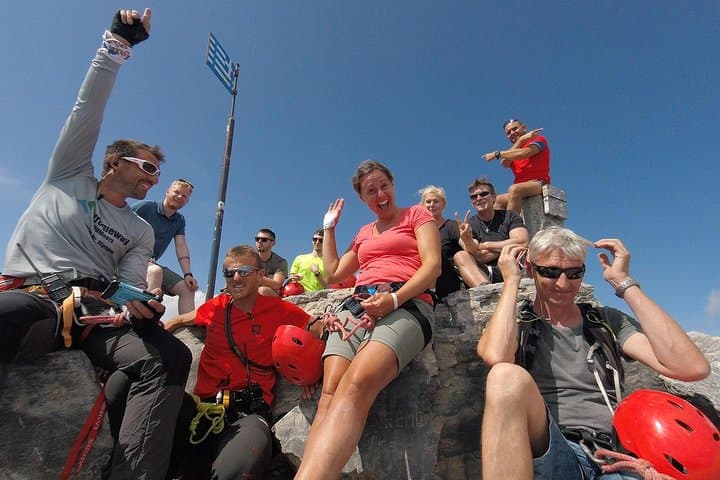
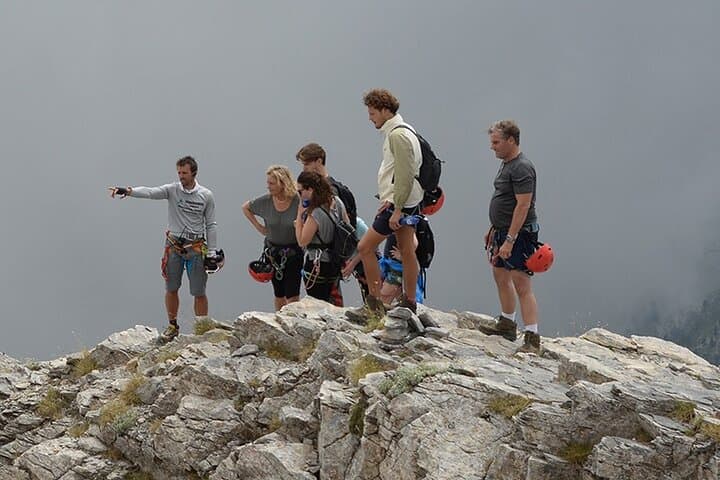
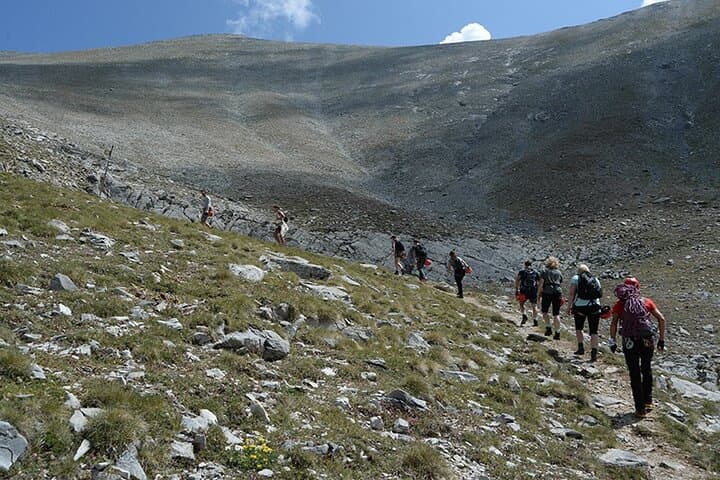
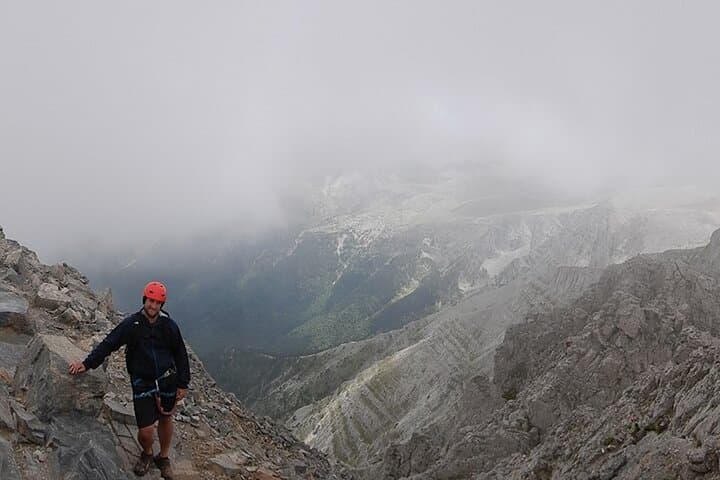
Dawn in Litochoro feels electric: minibuses load, headlamps fade, and the road up to Olympus narrows into hairpins where pines give way to stony gullies. After a long drive to the south-side high point in Christakis Valley you tighten boots and clip helmets—what follows is a full-day push to Mytikas, Greece’s highest point at 2,918 m.
Dawn in Litochoro feels electric: minibuses load, headlamps fade, and the road up to Olympus narrows into hairpins where pines give way to stony gullies. After a long drive to the south-side high point in Christakis Valley you tighten boots and clip helmets—what follows is a full-day push to Mytikas, Greece’s highest point at 2,918 m.
Geology here is blunt and honest: steep limestone ridges, karst hollows and shale scree that demand deliberate footwork. Olympus has been a place of story and science for millennia—ancient Greeks called it the home of the gods, and modern naturalists prize the mountain’s endemic plants and layered cliffs. Culture clings to the foothills in villages like Litochoro and the archaeology around Dion, giving the climb a human context beyond the summit photo.
The guided itinerary moves up a well-marked trail to Skala (approx. 2,880 m) then a demanding 600 m ascent of exposed rock where rope techniques and short protected pitches are used. Expect mixed terrain—steep talus, fixed cables in portions, and hands-on scrambling. The top rewards you with sweeping Aegean and Thessaly views; the mountaineer’s book is often signed beneath a wind-buffed cairn.
Practical edge: this is a 12-hour outing requiring good aerobic stamina, stable footwear, and readiness for rapid weather changes. Guides supply safety gear and rope work, but acclimatize, carry 2–3 L water, layered clothing, and plan for alpine conditions even in summer. Stick to the route to protect fragile alpine flora and follow your guide’s pacing to the summit and back down safely.