THE ADVENTURE COLLECTIVE® · Independent discovery and booking for outdoor travel

Climb from the Yastrebets lift to Musala’s 2,925 m summit on a full-day route through glacial cirques and high meadows. Expect rocky trail, steep pitches, and sweeping Rila panoramas—ideal for fit hikers prepared for changing mountain weather.
Climb from the Yastrebets lift to Musala’s 2,925 m summit on a full-day route through glacial cirques and high meadows. Expect rocky trail, steep pitches, and sweeping Rila panoramas—ideal for fit hikers prepared for changing mountain weather.
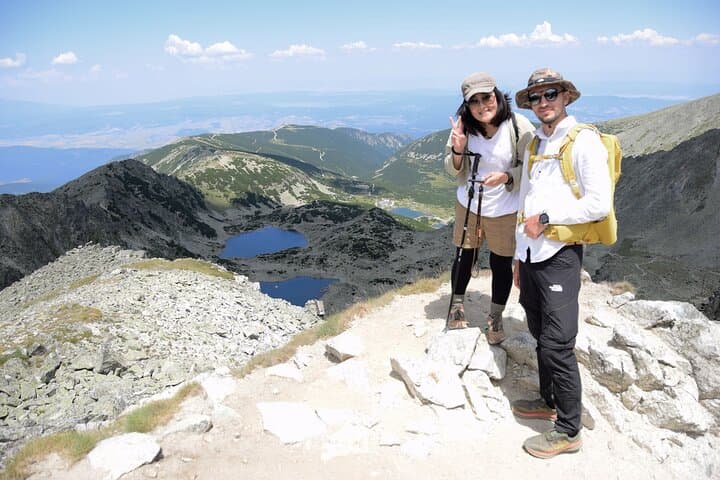
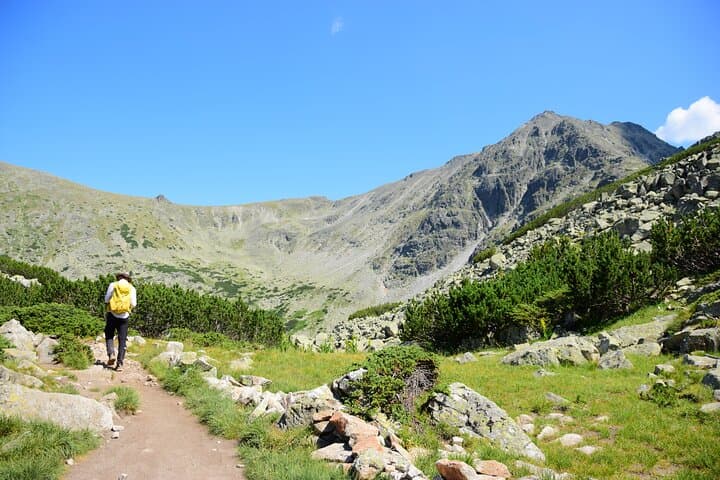
A cool alpine wind greets the group as the transfer bus drops hikers at the Yastrebets lift station. From the cable car platform at about 2,369 m, the ridge opens—rocks and alpine grasses rolling toward Musala’s 2,925 m crown. The trail climbs through high meadows and stony slabs; the air thins and every step reveals broader panoramas of Rila’s glacial cirques and serrated peaks.
Verified experiences and guided adventures in the surrounding area.
Operated by Traventuria · Borovets, Sofia Province
A cool alpine wind greets the group as the transfer bus drops hikers at the Yastrebets lift station. From the cable car platform at about 2,369 m, the ridge opens—rocks and alpine grasses rolling toward Musala’s 2,925 m crown. The trail climbs through high meadows and stony slabs; the air thins and every step reveals broader panoramas of Rila’s glacial cirques and serrated peaks.
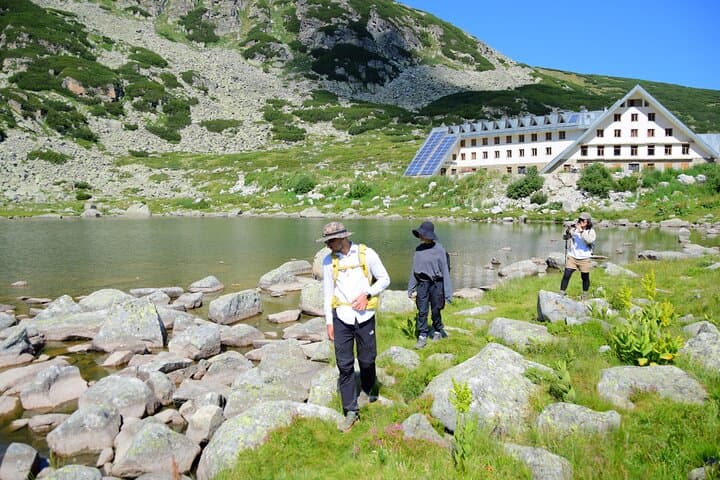
Musala is the highest point in the Balkans, carved by Pleistocene glaciers that left deep lakes and steep moraines below. The Rila range has long been a crossroads for shepherds and monastic pilgrims traveling between Sofia and mountain refuges; Borovets grew as a ski settlement at the forest’s edge. Local huts along the route serve simple fare and a place to regroup.
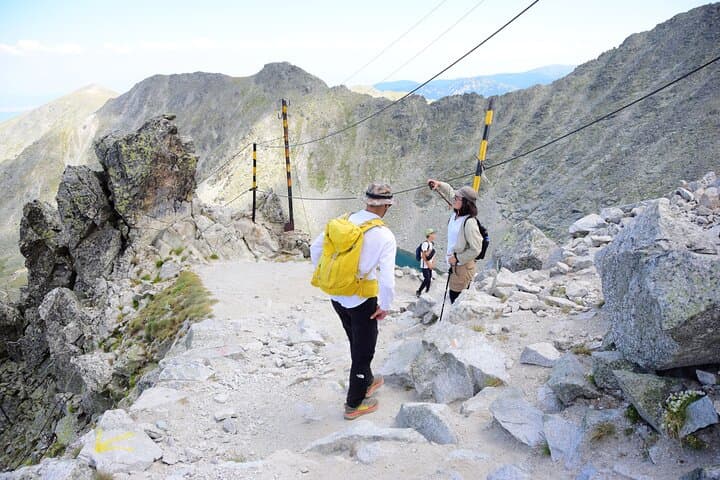
Practically, this is a full day: early pick-up from Sofia, a 90-minute transfer to Borovets, a short lift ride, then 4–6 hours of ascent on mixed trail and scree with short steep pitches. Expect exposed stone sections and sudden afternoon showers in summer—bring layers, a waterproof, and good ankle-supporting boots. Start early to avoid storms, pace yourself on the switchbacks, and carry 1.5–2 liters of water plus snacks.
On clear days the sense of altitude is immediate and the mountain seems to push you forward; on greyer days the summit hut is a welcome human note against the vast rock. Whether you’re chasing the view or testing your legs, Musala delivers a straightforward, high-alpine experience that rewards preparation with wide, uncompromising landscapes.
challenging.
10–12 hours.
Good cardiovascular fitness and experience with sustained uphill hiking; comfortable on rocky, exposed terrain.
Expect roughly 4–6 hours round-trip between the lift station and Musala summit depending on pace and conditions.
A guide is not strictly required on the main marked trail, but guided trips handle logistics, timing and safety for visitors unfamiliar with high-alpine terrain.
On extremely clear days visibility can extend far, and some claim distant views toward the Aegean, but this is rare and depends on exceptional atmospheric clarity.
There are two mountain huts selling basic meals and snacks, but carry water and extra food in case huts are closed or crowded.
Rila’s high paths have linked monasteries, shepherding pastures and early alpine tourism; Borovets developed as a ski resort in the early 20th century.
Trails cross fragile alpine meadows—stick to marked routes, pack out waste, and avoid disturbing fragile plant communities to reduce impact.
Traventuria operates guided outdoor trips and adventures with an emphasis on safety, stewardship, and memorable experiences.
A cool alpine wind greets the group as the transfer bus drops hikers at the Yastrebets lift station. From the cable car platform at about 2,369 m, the ridge opens—rocks and alpine grasses rolling toward Musala’s 2,925 m crown. The trail climbs through high meadows and stony slabs; the air thins and every step reveals broader panoramas of Rila’s glacial cirques and serrated peaks.
A cool alpine wind greets the group as the transfer bus drops hikers at the Yastrebets lift station. From the cable car platform at about 2,369 m, the ridge opens—rocks and alpine grasses rolling toward Musala’s 2,925 m crown. The trail climbs through high meadows and stony slabs; the air thins and every step reveals broader panoramas of Rila’s glacial cirques and serrated peaks.
Musala is the highest point in the Balkans, carved by Pleistocene glaciers that left deep lakes and steep moraines below. The Rila range has long been a crossroads for shepherds and monastic pilgrims traveling between Sofia and mountain refuges; Borovets grew as a ski settlement at the forest’s edge. Local huts along the route serve simple fare and a place to regroup.
Practically, this is a full day: early pick-up from Sofia, a 90-minute transfer to Borovets, a short lift ride, then 4–6 hours of ascent on mixed trail and scree with short steep pitches. Expect exposed stone sections and sudden afternoon showers in summer—bring layers, a waterproof, and good ankle-supporting boots. Start early to avoid storms, pace yourself on the switchbacks, and carry 1.5–2 liters of water plus snacks.
On clear days the sense of altitude is immediate and the mountain seems to push you forward; on greyer days the summit hut is a welcome human note against the vast rock. Whether you’re chasing the view or testing your legs, Musala delivers a straightforward, high-alpine experience that rewards preparation with wide, uncompromising landscapes.