THE ADVENTURE COLLECTIVE® · Independent discovery and booking for outdoor travel

A full-day guided climb from Nairobi to the dramatic crater rim of Mt Longonot. Early starts, rocky trails and sweeping Rift Valley views make this a compact but memorable hike.
A full-day guided climb from Nairobi to the dramatic crater rim of Mt Longonot. Early starts, rocky trails and sweeping Rift Valley views make this a compact but memorable hike.
You step out of the minibus before dawn and the air tastes like dust and coffee; the Great Rift Valley stretches low and cool, and Mt Longonot rises, a steely cone of volcanic rock daring you up its rim.
Verified experiences and guided adventures in the surrounding area.
Operated by Panda Tours and Safaris Ltd · Naivasha, Nakuru County
You step out of the minibus before dawn and the air tastes like dust and coffee; the Great Rift Valley stretches low and cool, and Mt Longonot rises, a steely cone of volcanic rock daring you up its rim.
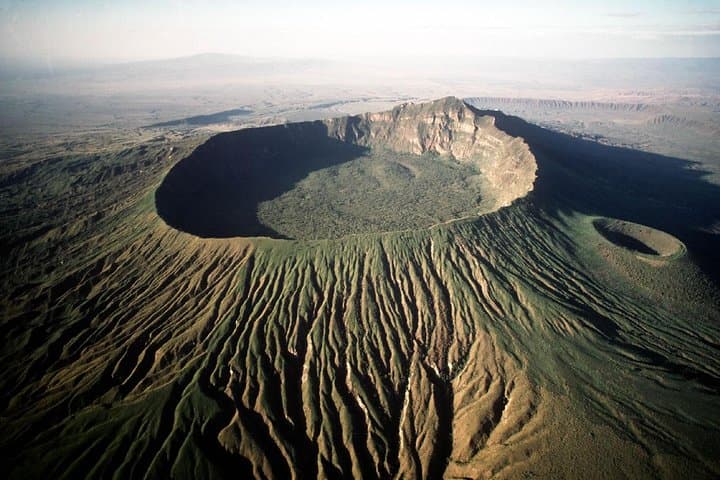
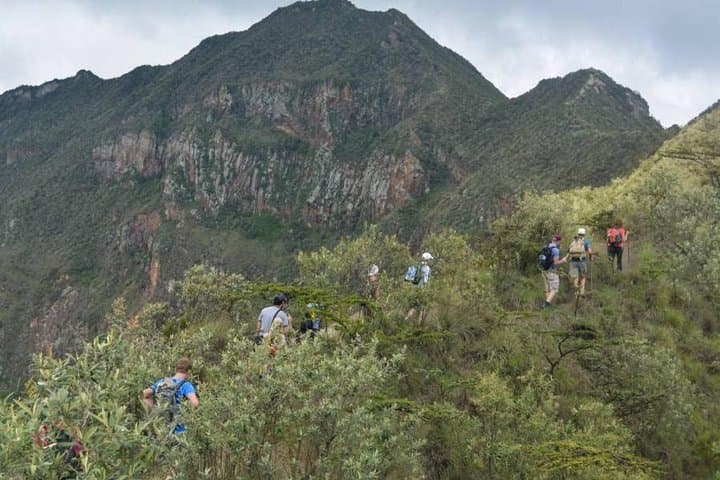
Longonot is a dormant stratovolcano on the eastern edge of the Rift, its 2,776-meter summit sitting above a steep, almost circular crater. The park’s trail follows a climb from the gate to the rim, then the crater-loop—rough volcanic scree, compacted earth and exposed roots—rewarding steady effort with open views across Naivasha and the valley floor. The crater floor hosts pockets of montane forest and scrub where small mammals shelter; sightings are intermittent.
Geologically Longonot formed from Rift Valley volcanism; the crater rim preserves a clear volcanic silhouette and offers a close view into a caldera formed by explosive activity. Culturally the area sits on land long used by Maasai and local farmers; you may see cattle grazing and hear Swahili greetings at park checkpoints.
Practical guidance: start early to avoid heat, bring 2–3 liters of water, and wear grippy boots for loose rock. The guided day tour typically includes transport from Nairobi, a mid-hike stop for views and a post-hike lunch. Expect 4–6 hours of walking including ascent, crater loop and descent, and a full day once travel time is included.
Respect park rules, pack out waste, and keep a cautious distance from wildlife and steep crater edges—the rim looks tame until the wind picks up.
moderate.
5–6 hours.
Suitable for people with regular aerobic fitness; expect sustained uphill sections and uneven terrain
The hike (gate to rim, crater loop and descent) usually takes 4–6 hours of walking with steady uphill sections; overall the day with travel is 8–10 hours. It’s moderate—good fitness helps.
Many commercial day tours include transport and park admission; confirm with your operator. Independent visitors pay entry at the Kenya Wildlife Service gate.
Expect small mammals like rock hyrax and occasionally baboons; larger game sightings are less common on the crater rim but possible on lower slopes.
Dry months (roughly June–September and December–February) offer firmer trails and clearer views; avoid the long rains (March–May) when trails are slippery.
The mountain formed from Rift Valley volcanism; local Maasai communities historically grazed livestock on its lower slopes and use the surrounding land for pasture.
Mt Longonot is a protected national park managed by Kenya Wildlife Service; stick to trails, minimize noise, and pack out trash to reduce erosion and disturbance.
Panda Tours and Safaris Ltd operates guided outdoor trips and adventures with an emphasis on safety, stewardship, and memorable experiences.
You step out of the minibus before dawn and the air tastes like dust and coffee; the Great Rift Valley stretches low and cool, and Mt Longonot rises, a steely cone of volcanic rock daring you up its rim.
You step out of the minibus before dawn and the air tastes like dust and coffee; the Great Rift Valley stretches low and cool, and Mt Longonot rises, a steely cone of volcanic rock daring you up its rim.
Longonot is a dormant stratovolcano on the eastern edge of the Rift, its 2,776-meter summit sitting above a steep, almost circular crater. The park’s trail follows a climb from the gate to the rim, then the crater-loop—rough volcanic scree, compacted earth and exposed roots—rewarding steady effort with open views across Naivasha and the valley floor. The crater floor hosts pockets of montane forest and scrub where small mammals shelter; sightings are intermittent.
Geologically Longonot formed from Rift Valley volcanism; the crater rim preserves a clear volcanic silhouette and offers a close view into a caldera formed by explosive activity. Culturally the area sits on land long used by Maasai and local farmers; you may see cattle grazing and hear Swahili greetings at park checkpoints.
Practical guidance: start early to avoid heat, bring 2–3 liters of water, and wear grippy boots for loose rock. The guided day tour typically includes transport from Nairobi, a mid-hike stop for views and a post-hike lunch. Expect 4–6 hours of walking including ascent, crater loop and descent, and a full day once travel time is included.
Respect park rules, pack out waste, and keep a cautious distance from wildlife and steep crater edges—the rim looks tame until the wind picks up.