THE ADVENTURE COLLECTIVE® · Independent discovery and booking for outdoor travel

Climb the slopes of Mount Vesuvius from Pompeii and stand on the rim where history smoldered. Short but steep, the walk delivers crater views, fumaroles, and sweeping panoramas of the Bay of Naples.
Climb the slopes of Mount Vesuvius from Pompeii and stand on the rim where history smoldered. Short but steep, the walk delivers crater views, fumaroles, and sweeping panoramas of the Bay of Naples.
You step out near the volcanic ridge and the air smells faintly of sulfur; steam threads up from the crater like a living breath. The trail rises quickly—black scoria underfoot, scrub pines clinging to the slope—and the Bay of Naples spreads below, islands and towns appearing like cutouts on the water.
Verified experiences and guided adventures in the surrounding area.
Operated by Rental and Tour · Pompeii, Campania
You step out near the volcanic ridge and the air smells faintly of sulfur; steam threads up from the crater like a living breath. The trail rises quickly—black scoria underfoot, scrub pines clinging to the slope—and the Bay of Naples spreads below, islands and towns appearing like cutouts on the water.
Vesuvius is a somma–stratovolcano whose 79 AD eruption buried Pompeii and Herculaneum, events that froze Roman life and left a rare archaeological record. Geologically it’s an active cone atop an older caldera; the current crater still emits fumaroles and warm steam. Locally the mountain has long been part of daily culture and ritual, once invoked in household shrines as a power of Jupiter.
The hike from the park access point to the crater rim is a short, brisk ascent—roughly 1–1.5 km each way with about 200–300 m of elevation gain—over loose volcanic gravel and compacted ash. The summit offers a close view into the steaming crater and wide panoramas of Naples, Sorrento, and the Phlegraean Fields; winds can switch from calm to gusty, pushing you toward the railings.
Practical guide: expect 20–45 minutes uphill depending on pace and stops, bring sun protection and at least 1 L of water, and wear sturdy shoes for traction on ash and rocks. Morning departures avoid heat and crowds; this route is moderate but not technical—step carefully on loose surfaces and heed park rules. If you have cardiovascular issues or are pregnant, choose an alternative viewpoint—safety protocols are enforced in the national park.
moderate.
3 hours.
Moderate fitness: able to handle a steep, steady climb and short periods of scrambling on loose rock.
From the park access you should allow about 20–45 minutes each way depending on fitness and stops; the walking distance is roughly 1–1.5 km each way.
The crater emits steam and fumaroles but public access is allowed on designated paths; park rangers monitor conditions and may close sections if needed.
People should have moderate fitness; the tour provider advises it’s not recommended for pregnant travelers or those with serious heart or spinal conditions.
You can visit independently via the national park, but many visitors choose guided trips from Pompeii for transport and local context.
Vesuvius’ 79 AD eruption buried several Roman towns; the event preserved homes, art, and daily objects, providing an exceptional archaeological record.
The Vesuvius National Park manages foot traffic and erosion; stay on marked trails to limit damage to fragile volcanic soils and endemic vegetation.
Rental and Tour operates guided outdoor trips and adventures with an emphasis on safety, stewardship, and memorable experiences.
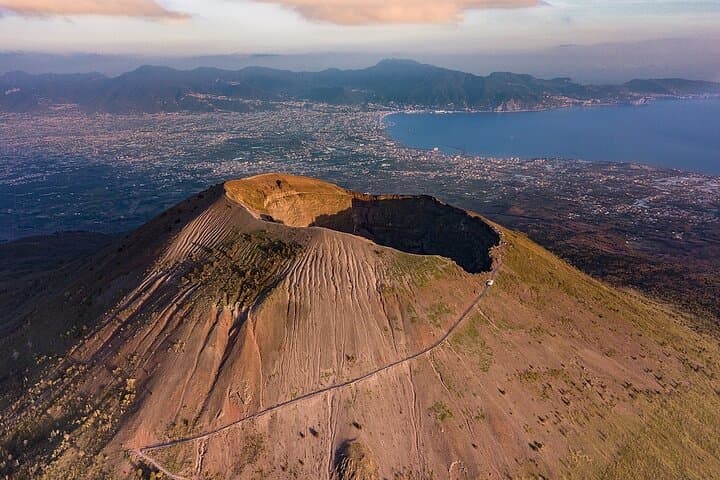
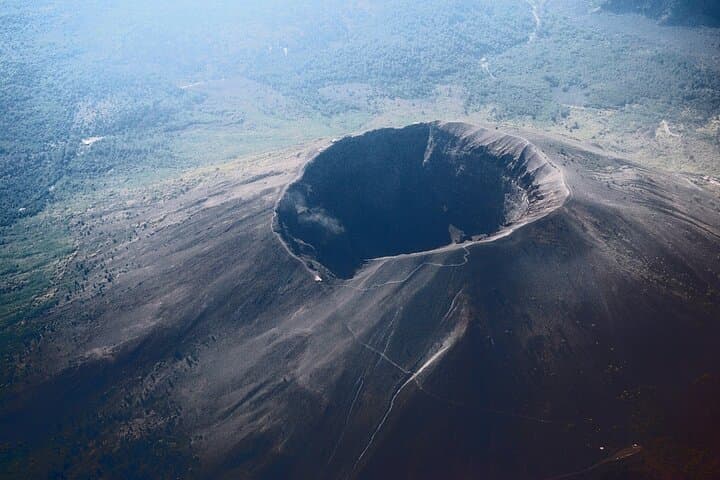
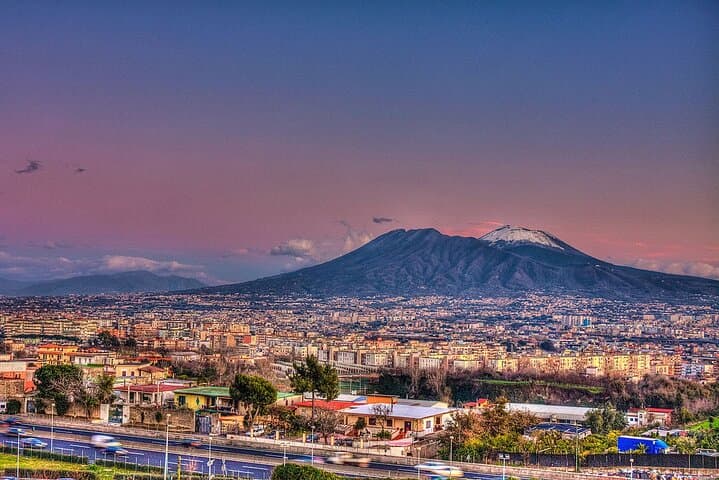
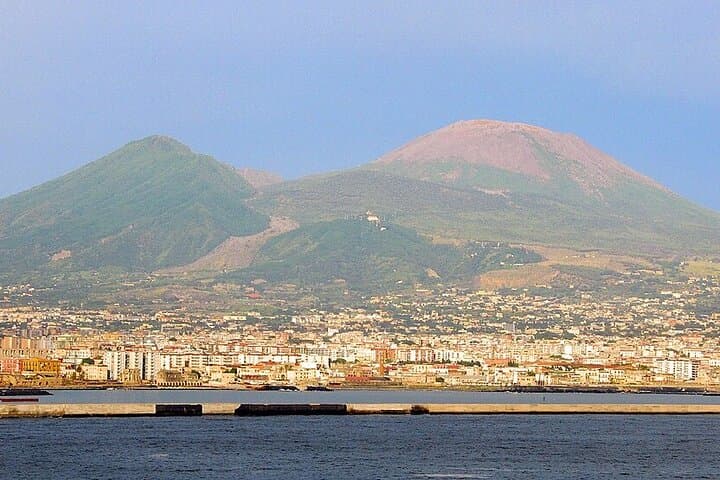
You step out near the volcanic ridge and the air smells faintly of sulfur; steam threads up from the crater like a living breath. The trail rises quickly—black scoria underfoot, scrub pines clinging to the slope—and the Bay of Naples spreads below, islands and towns appearing like cutouts on the water.
You step out near the volcanic ridge and the air smells faintly of sulfur; steam threads up from the crater like a living breath. The trail rises quickly—black scoria underfoot, scrub pines clinging to the slope—and the Bay of Naples spreads below, islands and towns appearing like cutouts on the water.
Vesuvius is a somma–stratovolcano whose 79 AD eruption buried Pompeii and Herculaneum, events that froze Roman life and left a rare archaeological record. Geologically it’s an active cone atop an older caldera; the current crater still emits fumaroles and warm steam. Locally the mountain has long been part of daily culture and ritual, once invoked in household shrines as a power of Jupiter.
The hike from the park access point to the crater rim is a short, brisk ascent—roughly 1–1.5 km each way with about 200–300 m of elevation gain—over loose volcanic gravel and compacted ash. The summit offers a close view into the steaming crater and wide panoramas of Naples, Sorrento, and the Phlegraean Fields; winds can switch from calm to gusty, pushing you toward the railings.
Practical guide: expect 20–45 minutes uphill depending on pace and stops, bring sun protection and at least 1 L of water, and wear sturdy shoes for traction on ash and rocks. Morning departures avoid heat and crowds; this route is moderate but not technical—step carefully on loose surfaces and heed park rules. If you have cardiovascular issues or are pregnant, choose an alternative viewpoint—safety protocols are enforced in the national park.