THE ADVENTURE COLLECTIVE® · Independent discovery and booking for outdoor travel

A brisk two-day trek from Imlil to the 4,167 m summit of Mount Toubkal offers stark high-mountain views and a non-technical but strenuous climb. This practical guide covers what to expect on trail, refuge logistics, and the essential gear and tips for success.
A brisk two-day trek from Imlil to the 4,167 m summit of Mount Toubkal offers stark high-mountain views and a non-technical but strenuous climb. This practical guide covers what to expect on trail, refuge logistics, and the essential gear and tips for success.
Morning light slashes across the High Atlas as mule tracks unfurl from the village of Imlil. You set off with the scent of tea and wood smoke, shoulders tuning to the rhythm of stone underfoot. Over two days the landscape tightens — terraced farms give way to scree slopes and wind-scoured ridges — until the summit of Jebel Toubkal (4,167 m) opens a wide, cold view of Morocco’s spine.
Verified experiences and guided adventures in the surrounding area.
Operated by Morocco Tour Guide · Imlil, Marrakech-Safi
Morning light slashes across the High Atlas as mule tracks unfurl from the village of Imlil. You set off with the scent of tea and wood smoke, shoulders tuning to the rhythm of stone underfoot. Over two days the landscape tightens — terraced farms give way to scree slopes and wind-scoured ridges — until the summit of Jebel Toubkal (4,167 m) opens a wide, cold view of Morocco’s spine.
Toubkal sits on volcanic and metamorphic rock shaped by uplift and erosion; Berber communities have lived on its lower flanks for centuries, shaping the trail network and refuge culture you’ll use. The high refuge (shared dormitory-style) is part of a long tradition of mountain hospitality that supports local guides and muleteers.
The trek is non-technical but demanding: expect roughly 18–22 km total with ~2,400 m cumulative elevation gain (Imlil ≈1,740 m to summit 4,167 m), rocky trails, loose scree on upper slopes, and possible snow above 3,000 m outside summer. Weather can swing quickly — sun, wind and sudden storms are all possible — so plan conservative pacing and early starts for summit day.
Practical points: travel time from Marrakech is about 1–1.5 hours by road (private transport often included). One night at Toubkal Refuge breaks the ascent; bring layered insulation, water treatment and trekking poles to reduce impact on knees. Acclimatize when you can, stay hydrated, and follow local guide instructions. For motivated hikers in good shape, two days deliver a vivid high-mountain experience and panoramic reward at the top.
challenging.
2 days (approx.).
Good cardiovascular fitness and leg strength; ability to hike 6–10 hours over uneven ground at altitude.
Non-technical but physically demanding due to sustained elevation gain; expect steep sections and loose scree — prepared hikers complete it in two days.
In summer no; in winter or heavy snow you’ll need crampons and possibly an ice axe and a guided leader experienced in winter alpine travel.
Toubkal Refuge is basic: communal dorms, hot meals when staffed, and simple facilities — bring a warm sleeping liner and headlamp.
Symptoms can occur above 3,000 m; ascend slowly, hydrate, eat, and notify your guide; descend if symptoms persist or worsen.
The High Atlas has been home to Berber communities for centuries; modern trekking routes overlay old mule tracks and mountain agriculture patterns.
Rising visitor numbers strain water and waste systems; stick to trails, use designated toilets at the refuge when available, and pack out non-biodegradable waste.
Morocco Tour Guide operates guided outdoor trips and adventures with an emphasis on safety, stewardship, and memorable experiences.
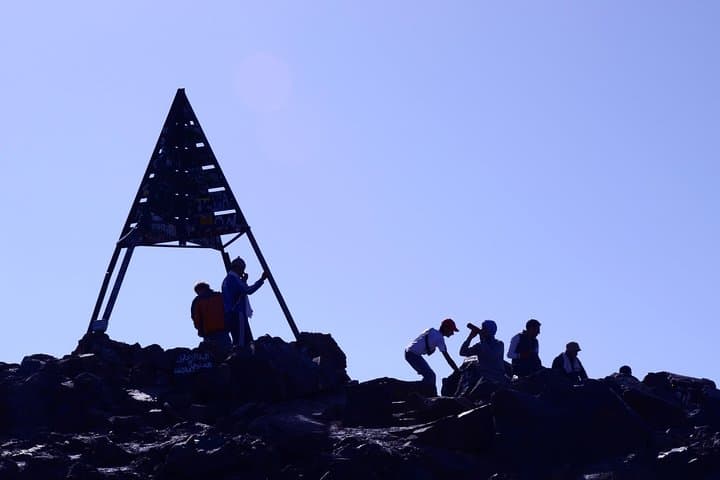
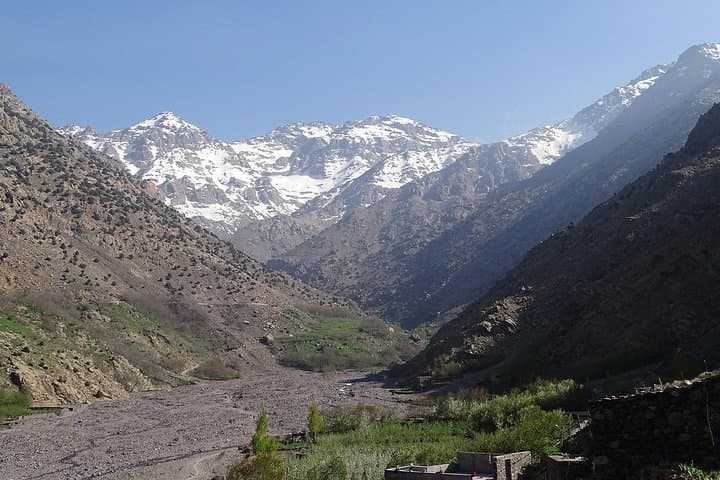
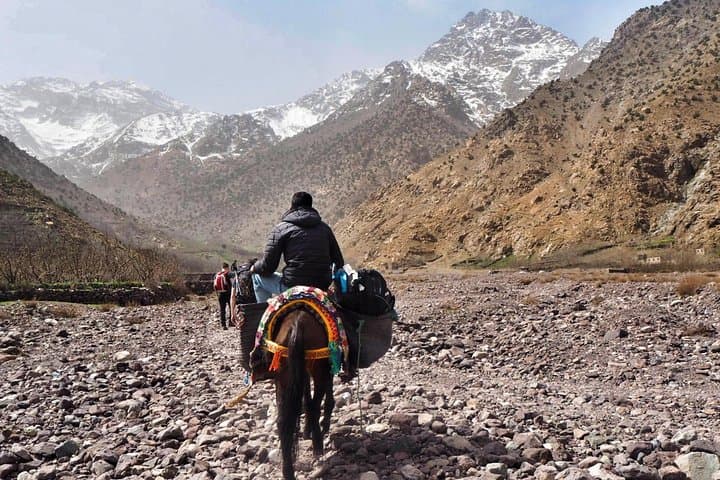
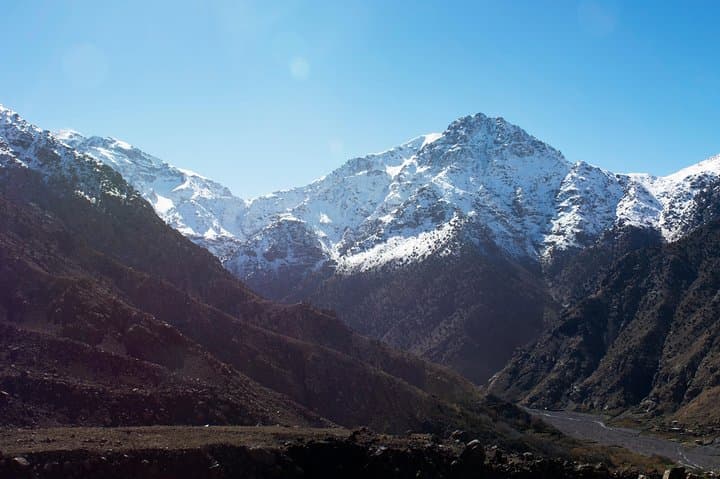
Morning light slashes across the High Atlas as mule tracks unfurl from the village of Imlil. You set off with the scent of tea and wood smoke, shoulders tuning to the rhythm of stone underfoot. Over two days the landscape tightens — terraced farms give way to scree slopes and wind-scoured ridges — until the summit of Jebel Toubkal (4,167 m) opens a wide, cold view of Morocco’s spine.
Morning light slashes across the High Atlas as mule tracks unfurl from the village of Imlil. You set off with the scent of tea and wood smoke, shoulders tuning to the rhythm of stone underfoot. Over two days the landscape tightens — terraced farms give way to scree slopes and wind-scoured ridges — until the summit of Jebel Toubkal (4,167 m) opens a wide, cold view of Morocco’s spine.
Toubkal sits on volcanic and metamorphic rock shaped by uplift and erosion; Berber communities have lived on its lower flanks for centuries, shaping the trail network and refuge culture you’ll use. The high refuge (shared dormitory-style) is part of a long tradition of mountain hospitality that supports local guides and muleteers.
The trek is non-technical but demanding: expect roughly 18–22 km total with ~2,400 m cumulative elevation gain (Imlil ≈1,740 m to summit 4,167 m), rocky trails, loose scree on upper slopes, and possible snow above 3,000 m outside summer. Weather can swing quickly — sun, wind and sudden storms are all possible — so plan conservative pacing and early starts for summit day.
Practical points: travel time from Marrakech is about 1–1.5 hours by road (private transport often included). One night at Toubkal Refuge breaks the ascent; bring layered insulation, water treatment and trekking poles to reduce impact on knees. Acclimatize when you can, stay hydrated, and follow local guide instructions. For motivated hikers in good shape, two days deliver a vivid high-mountain experience and panoramic reward at the top.