THE ADVENTURE COLLECTIVE® · Independent discovery and booking for outdoor travel

A brisk two-day ascent from Marrakech through Berber villages to the 4,167 m summit of Toubkal. Expect long uphill days, mule-supported carries, and panoramic High Atlas views.
A brisk two-day ascent from Marrakech through Berber villages to the 4,167 m summit of Toubkal. Expect long uphill days, mule-supported carries, and panoramic High Atlas views.
Dawn in the High Atlas arrives sharp and cool; the mule track out of Imlil carves a steady line up through terraced fields while the mountains loom, granite faces and scree slopes catching first light. On this two-day private trek, travelers move from village lanes to the refuge at 3,200 m, then push to the 4,167 m summit of Toubkal, North Africa's highest point.
Verified experiences and guided adventures in the surrounding area.
Operated by Atlas Mountain Trekking · Imlil, Marrakesh-Safi
Dawn in the High Atlas arrives sharp and cool; the mule track out of Imlil carves a steady line up through terraced fields while the mountains loom, granite faces and scree slopes catching first light. On this two-day private trek, travelers move from village lanes to the refuge at 3,200 m, then push to the 4,167 m summit of Toubkal, North Africa's highest point.
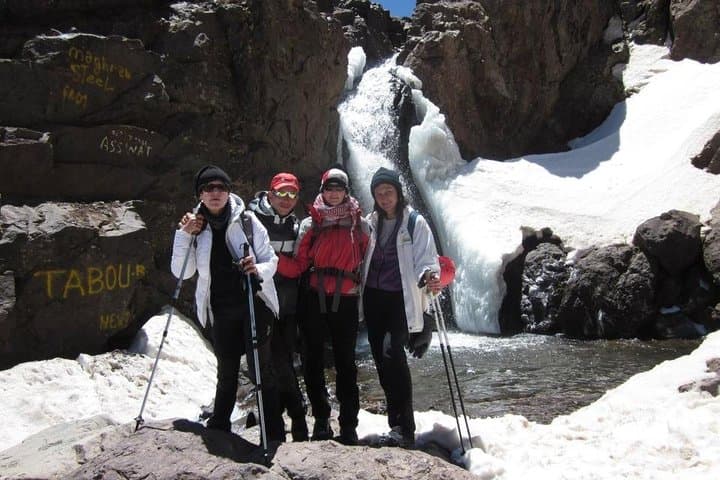
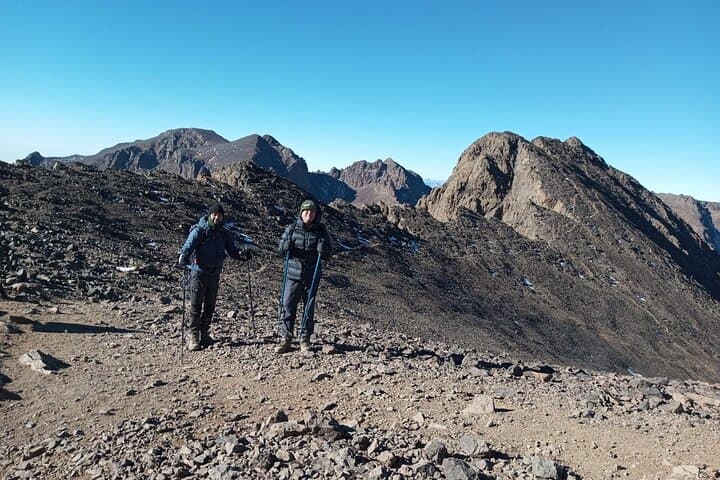
The route follows centuries-old Berber footpaths and passes the small shrine of Sidi Chamharouch, a cultural waypoint where local tradition and mountain life meet. Geologically the massif is composed of folded pyroclastic rock and metamorphosed sediments, producing steep ridgelines and loose scree near the summit that demand steady footing. The climb showcases the High Atlas’s living culture—stone villages, muleteers, and terraces irrigated by ancient channels.
Practically, the itinerary averages a 5-hour approach to the refuge with about 1,460 m of gain from Imlil, then a pre-dawn 3–4 hour ascent to the summit from the hut and a longer descent; the full second day can top 9 hours on foot. Expect exposed sections, rocky steps and possible snow outside summer. Guides and mules carry luggage and meals; bring layered clothing, sturdy boots, poles, and a headlamp for the early start. Hydrate well and pace uphill to manage altitude; light-headedness is common above 3,000 m.
For planners: book a morning transfer from Marrakech, aim for shoulder seasons to avoid deep snow or midsummer heat, and respect local customs—ask before photographing villagers. The mountain tests legs and focus, but rewards with wide valleys, remote village life, and a summit view that spreads the Atlas like a weathered map.
challenging.
2 days (Day 1: ~5 hours; Day 2: ~9 hours total).
Good cardiovascular fitness and experience with sustained uphill hiking; comfortable with long days and altitude.
The summit day is long and steep with roughly 900–1,000 m of ascent from the refuge; expect 3–4 hours up and a longer descent—fitness and steady pacing are key.
No technical climbing gear is required in summer; in winter or early spring, crampons and ice axe may be needed and guides will advise.
Yes—muleteers transport luggage to the refuge and back, while you carry a light daypack for water, snacks, and layers.
Fit beginners with prior multi-hour hikes can do it, but altitude and long days make it more suitable for experienced trekkers or those with good fitness.
The High Atlas is shaped by Berber communities whose footpaths and mule tracks have linked mountain villages for centuries, plus historic seasonal grazing routes.
Stick to established trails, pack out waste, and use local guides and mule services to minimize campsite impact on fragile alpine vegetation.
Atlas Mountain Trekking operates guided outdoor trips and adventures with an emphasis on safety, stewardship, and memorable experiences.
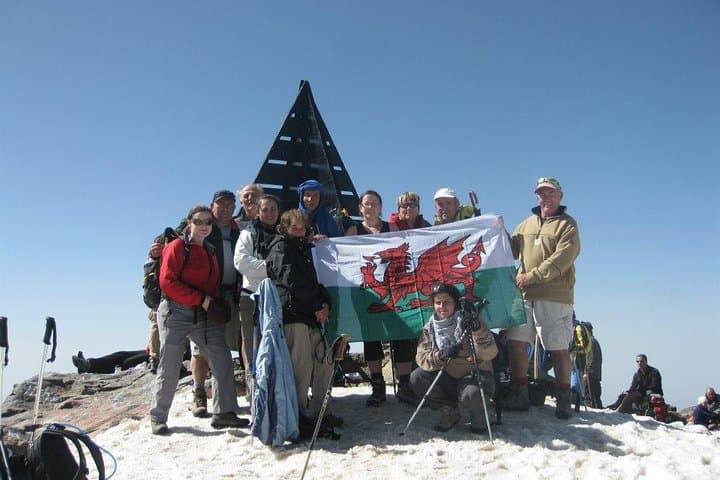
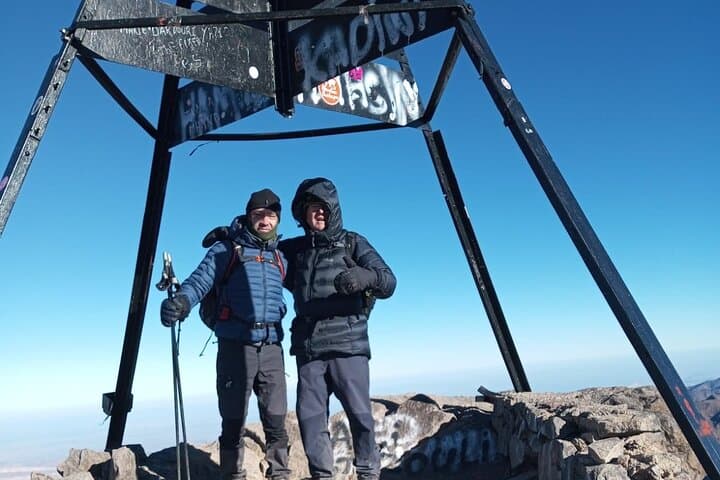
Dawn in the High Atlas arrives sharp and cool; the mule track out of Imlil carves a steady line up through terraced fields while the mountains loom, granite faces and scree slopes catching first light. On this two-day private trek, travelers move from village lanes to the refuge at 3,200 m, then push to the 4,167 m summit of Toubkal, North Africa's highest point.
Dawn in the High Atlas arrives sharp and cool; the mule track out of Imlil carves a steady line up through terraced fields while the mountains loom, granite faces and scree slopes catching first light. On this two-day private trek, travelers move from village lanes to the refuge at 3,200 m, then push to the 4,167 m summit of Toubkal, North Africa's highest point.
The route follows centuries-old Berber footpaths and passes the small shrine of Sidi Chamharouch, a cultural waypoint where local tradition and mountain life meet. Geologically the massif is composed of folded pyroclastic rock and metamorphosed sediments, producing steep ridgelines and loose scree near the summit that demand steady footing. The climb showcases the High Atlas’s living culture—stone villages, muleteers, and terraces irrigated by ancient channels.
Practically, the itinerary averages a 5-hour approach to the refuge with about 1,460 m of gain from Imlil, then a pre-dawn 3–4 hour ascent to the summit from the hut and a longer descent; the full second day can top 9 hours on foot. Expect exposed sections, rocky steps and possible snow outside summer. Guides and mules carry luggage and meals; bring layered clothing, sturdy boots, poles, and a headlamp for the early start. Hydrate well and pace uphill to manage altitude; light-headedness is common above 3,000 m.
For planners: book a morning transfer from Marrakech, aim for shoulder seasons to avoid deep snow or midsummer heat, and respect local customs—ask before photographing villagers. The mountain tests legs and focus, but rewards with wide valleys, remote village life, and a summit view that spreads the Atlas like a weathered map.