THE ADVENTURE COLLECTIVE® · Independent discovery and booking for outdoor travel

Climb Morocco’s highest peak over a brisk two-day itinerary from Marrakech. This guide outlines the route, what to expect on trail, and practical tips for summiting Jebel Toubkal safely.
Climb Morocco’s highest peak over a brisk two-day itinerary from Marrakech. This guide outlines the route, what to expect on trail, and practical tips for summiting Jebel Toubkal safely.
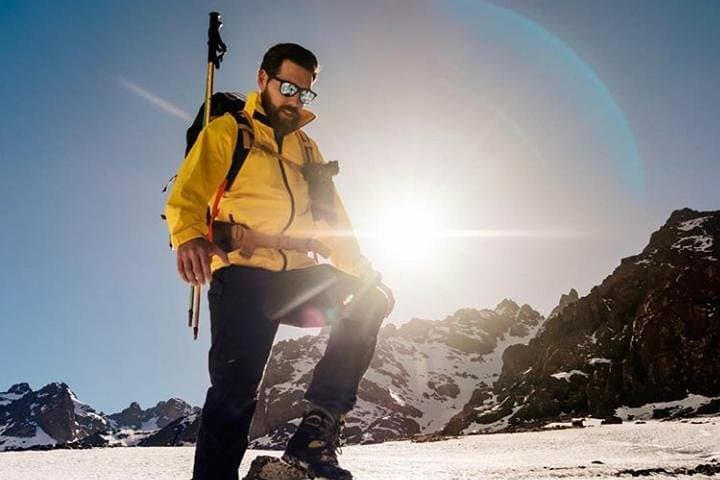
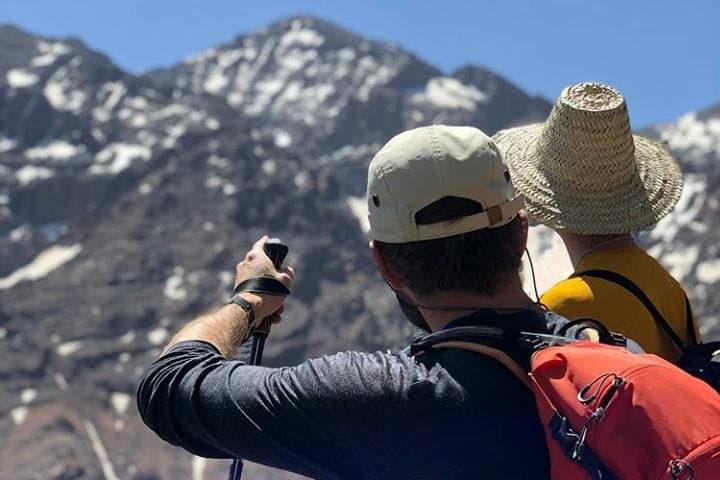
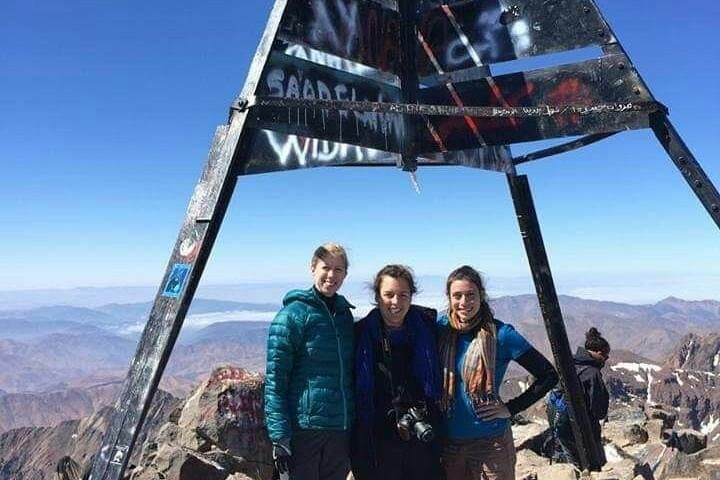
Dawn light lifts off the ochre roofs of Imlil as a small group files out toward the stone path that climbs into the High Atlas. The air thins with every switchback; mule tracks and footfall carve a clear route through dry riverbeds, almond groves and finally into an alpine zone of scree and low shrubs. By nightfall you reach a private mountain refuge; by early morning the summit—Jebel Toubkal, 4,167 m—dominates the sky, daring you up its final rocky crest.
Verified experiences and guided adventures in the surrounding area.
Operated by Berber Paths · Marrakech, Marrakesh-Safi
Dawn light lifts off the ochre roofs of Imlil as a small group files out toward the stone path that climbs into the High Atlas. The air thins with every switchback; mule tracks and footfall carve a clear route through dry riverbeds, almond groves and finally into an alpine zone of scree and low shrubs. By nightfall you reach a private mountain refuge; by early morning the summit—Jebel Toubkal, 4,167 m—dominates the sky, daring you up its final rocky crest.
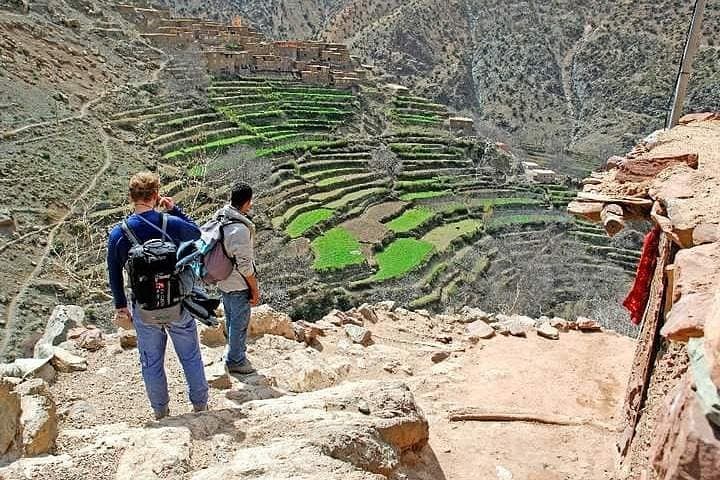
The High Atlas are geologically young, folded by the collision of the African and Eurasian plates; moraines and jagged ridgelines speak to glacial sculpting in past millennia. Culturally the route threads Berber villages—stone houses, terraced fields and shrines like Sidi Chamarouch—places that retain traditional mountain life and hospitality.
Expect roughly 18–22 km over two days with ~2,400 m total elevation gain from valley to summit; terrain alternates dirt track, loose scree and steep stone steps. Altitude is the real challenge—move deliberately, hydrate, and listen to your guide.
Practicalities: the trip includes hotel pickup in Marrakech, meals at the refuge, and a guide; sleeping arrangements are basic. Footwear with firm ankle support, layered clothing for freezing summit winds, and a headlamp for pre-dawn starts are non-negotiable. Start early to avoid afternoon weather; carry cash for small purchases in Imlil.
The route is an achievable high-mountain objective for fit trekkers who understand altitude. It rewards perseverance with sweeping panoramas of the Atlas and a clear sense of place—rocky, honest and immediate.
challenging.
10–14 hours (2 days).
Good cardiovascular fitness and experience with sustained uphill hiking; comfortable with multi-hour days at altitude.
The itinerary is challenging due to elevation gain (~2,400 m) and altitude; expect long days on steep, uneven terrain—suitable for fit hikers.
No technical climbing gear is required for the normal route; crampons or an ice axe may be needed in winter or early spring conditions—your operator will advise.
Typical inclusions are hotel pickup from Marrakech, meals (dinner, breakfast, lunch), guides, and overnight in a mountain refuge; confirm specifics with the operator.
Ascend slowly, stay hydrated, eat, and communicate symptoms to your guide—descending is the primary treatment if symptoms worsen.
The High Atlas have long been home to Berber communities whose transhumant practices and stone architecture shaped the valley routes used by modern trekkers.
Visitors should stick to established trails to prevent erosion, pack out waste, and support local guides to ensure tourism benefits mountain communities.
Berber Paths operates guided outdoor trips and adventures with an emphasis on safety, stewardship, and memorable experiences.
Dawn light lifts off the ochre roofs of Imlil as a small group files out toward the stone path that climbs into the High Atlas. The air thins with every switchback; mule tracks and footfall carve a clear route through dry riverbeds, almond groves and finally into an alpine zone of scree and low shrubs. By nightfall you reach a private mountain refuge; by early morning the summit—Jebel Toubkal, 4,167 m—dominates the sky, daring you up its final rocky crest.
Dawn light lifts off the ochre roofs of Imlil as a small group files out toward the stone path that climbs into the High Atlas. The air thins with every switchback; mule tracks and footfall carve a clear route through dry riverbeds, almond groves and finally into an alpine zone of scree and low shrubs. By nightfall you reach a private mountain refuge; by early morning the summit—Jebel Toubkal, 4,167 m—dominates the sky, daring you up its final rocky crest.
The High Atlas are geologically young, folded by the collision of the African and Eurasian plates; moraines and jagged ridgelines speak to glacial sculpting in past millennia. Culturally the route threads Berber villages—stone houses, terraced fields and shrines like Sidi Chamarouch—places that retain traditional mountain life and hospitality.
Expect roughly 18–22 km over two days with ~2,400 m total elevation gain from valley to summit; terrain alternates dirt track, loose scree and steep stone steps. Altitude is the real challenge—move deliberately, hydrate, and listen to your guide.
Practicalities: the trip includes hotel pickup in Marrakech, meals at the refuge, and a guide; sleeping arrangements are basic. Footwear with firm ankle support, layered clothing for freezing summit winds, and a headlamp for pre-dawn starts are non-negotiable. Start early to avoid afternoon weather; carry cash for small purchases in Imlil.
The route is an achievable high-mountain objective for fit trekkers who understand altitude. It rewards perseverance with sweeping panoramas of the Atlas and a clear sense of place—rocky, honest and immediate.