THE ADVENTURE COLLECTIVE® · Independent discovery and booking for outdoor travel

A concentrated three-day route from Casablanca to Mount Toubkal via Imlil: steep trails, Berber villages, an overnight at the refuge, and a pre-dawn summit to North Africa’s highest peak. Practical and rugged, it’s a classic Atlas ascent with Marrakech cultural reward.
A concentrated three-day route from Casablanca to Mount Toubkal via Imlil: steep trails, Berber villages, an overnight at the refuge, and a pre-dawn summit to North Africa’s highest peak. Practical and rugged, it’s a classic Atlas ascent with Marrakech cultural reward.
You step out of the van as Atlas air thins and the village of Imlil opens like an old map—stone houses, terraced fields, and walnut trees clinging to the slope. The trail rises immediately, a braided route that threads small Berber hamlets and rushing streams, each switchback revealing a wider sweep of ochre ridgelines that lead to Toubkal Refuge.
Verified experiences and guided adventures in the surrounding area.
Operated by Casablanca Dream · Imlil, Marrakech-Safi
You step out of the van as Atlas air thins and the village of Imlil opens like an old map—stone houses, terraced fields, and walnut trees clinging to the slope. The trail rises immediately, a braided route that threads small Berber hamlets and rushing streams, each switchback revealing a wider sweep of ochre ridgelines that lead to Toubkal Refuge.
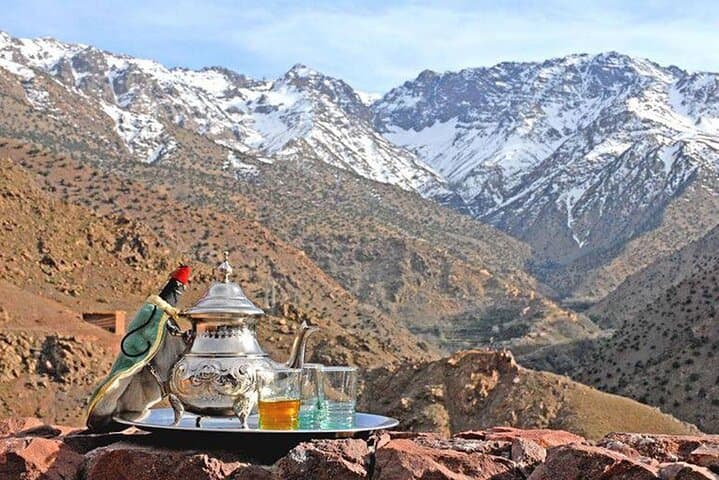
Geology here is raw: dark volcanic and metamorphic rock folded into jagged crests. The mountains shaped local culture—Amazigh (Berber) villages have farmed these terraces for centuries and still run mule teams that move supplies to the high refuge. From the refuge you’ll aim for Toubkal’s 4,167 m summit, the highest point in North Africa, where on a clear day the Sahara’s pale horizon seems to push up against the Atlas.
The ascent is non-technical but sustained: expect long, steep days, loose scree and occasional snowfields outside summer. Guides provide climbing kit and mules carry luggage; acclimatize in Imlil and pace the early summit push, starting well before dawn to beat afternoon winds.
Practical essentials: sturdy, broken-in boots and layered insulation; carry at least 2–3 L of water, high-energy snacks, and a rain shell. Plan for cold nights at the refuge and bright sun on exposed ridgelines—sunscreen and sunglasses are musts. If you’re comfortable on sustained alpine hikes and can handle altitude gain, this three-day route is a compact, concentrated way to taste high-Atlas wilderness before descending into Marrakech’s market labyrinth.
challenging.
3 days.
Good cardiovascular fitness with experience on long uphill days; comfortable with sustained altitude gain.
The route is non-technical but physically demanding—expect long days with significant elevation gain; prior multi-hour hiking experience is recommended.
Guides typically supply basic climbing gear and crampons if needed; confirm with the operator for winter ascents that require ice axes or advanced gear.
Spend the first night in Imlil and move slowly—those prone to altitude issues should allow extra time in the highlands or consult a physician.
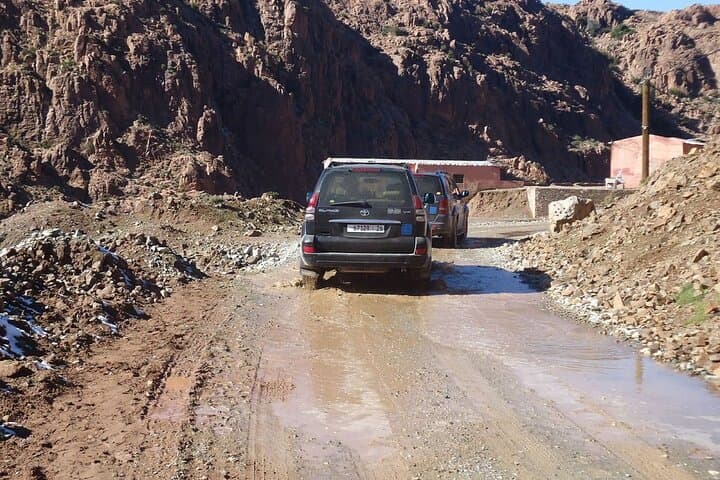
This private tour commonly begins with pickup in Casablanca and ends with a transfer to Marrakech after descent, but pickup from Marrakech may be available—check booking details.
The High Atlas has been home to Amazigh (Berber) communities for millennia; Toubkal served as a seasonal grazing and travel route linking mountain villages to Marrakech.
Stick to established paths and avoid collecting wood—the fragile mountain vegetation and seasonal water sources recover slowly; support local guides to keep tourism sustainable.
Casablanca Dream operates guided outdoor trips and adventures with an emphasis on safety, stewardship, and memorable experiences.
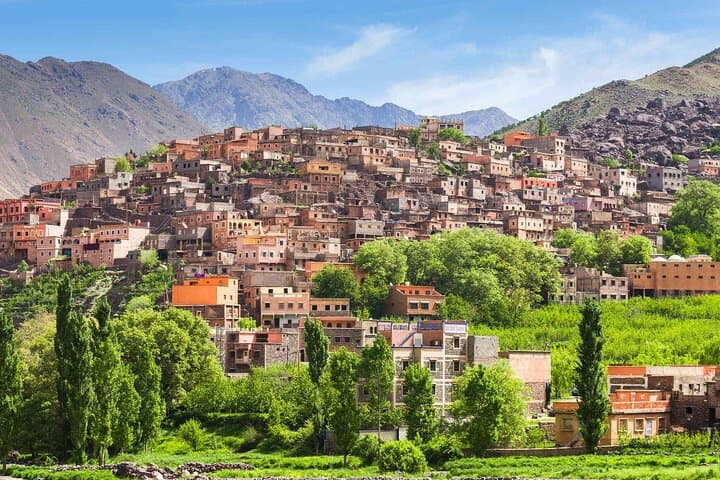
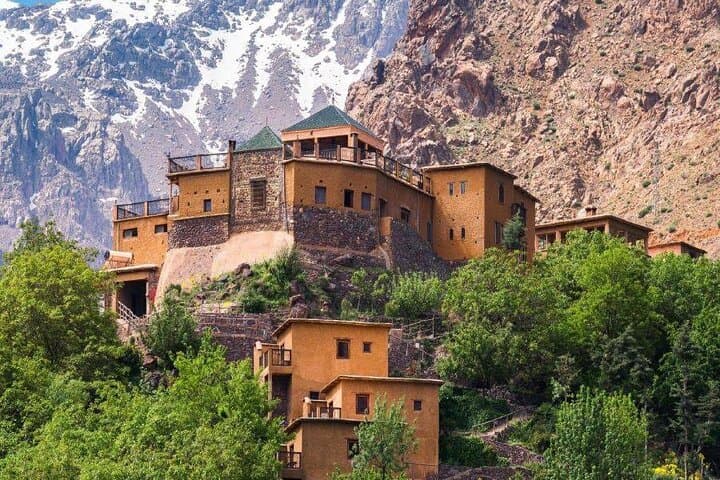
You step out of the van as Atlas air thins and the village of Imlil opens like an old map—stone houses, terraced fields, and walnut trees clinging to the slope. The trail rises immediately, a braided route that threads small Berber hamlets and rushing streams, each switchback revealing a wider sweep of ochre ridgelines that lead to Toubkal Refuge.
You step out of the van as Atlas air thins and the village of Imlil opens like an old map—stone houses, terraced fields, and walnut trees clinging to the slope. The trail rises immediately, a braided route that threads small Berber hamlets and rushing streams, each switchback revealing a wider sweep of ochre ridgelines that lead to Toubkal Refuge.
Geology here is raw: dark volcanic and metamorphic rock folded into jagged crests. The mountains shaped local culture—Amazigh (Berber) villages have farmed these terraces for centuries and still run mule teams that move supplies to the high refuge. From the refuge you’ll aim for Toubkal’s 4,167 m summit, the highest point in North Africa, where on a clear day the Sahara’s pale horizon seems to push up against the Atlas.
The ascent is non-technical but sustained: expect long, steep days, loose scree and occasional snowfields outside summer. Guides provide climbing kit and mules carry luggage; acclimatize in Imlil and pace the early summit push, starting well before dawn to beat afternoon winds.
Practical essentials: sturdy, broken-in boots and layered insulation; carry at least 2–3 L of water, high-energy snacks, and a rain shell. Plan for cold nights at the refuge and bright sun on exposed ridgelines—sunscreen and sunglasses are musts. If you’re comfortable on sustained alpine hikes and can handle altitude gain, this three-day route is a compact, concentrated way to taste high-Atlas wilderness before descending into Marrakech’s market labyrinth.