THE ADVENTURE COLLECTIVE® · Independent discovery and booking for outdoor travel

An all-day ascent of Mount Tomorr from Berat blends rugged mountain terrain with living religious tradition. This challenging hike traverses forest, karst ridges and alpine meadows to a summit long revered by local pilgrimages.
An all-day ascent of Mount Tomorr from Berat blends rugged mountain terrain with living religious tradition. This challenging hike traverses forest, karst ridges and alpine meadows to a summit long revered by local pilgrimages.
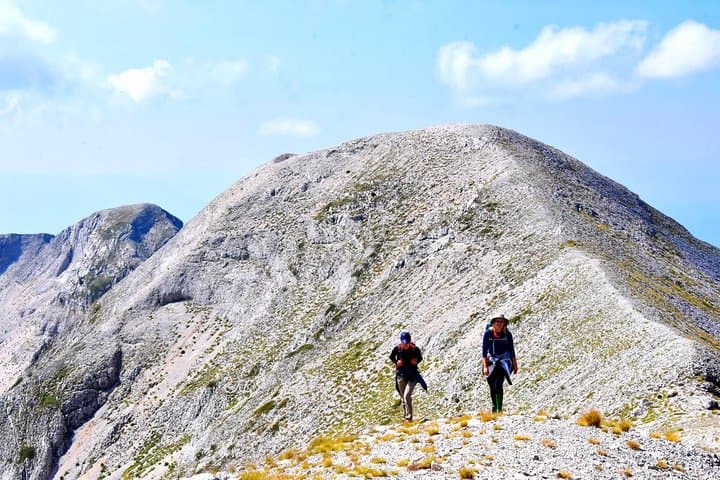
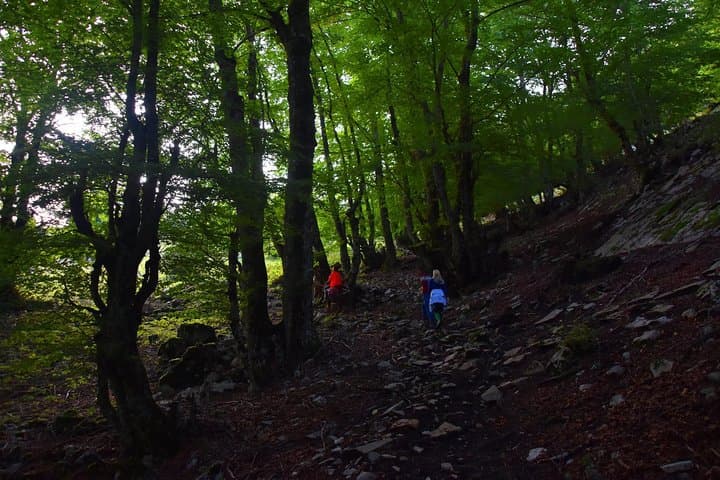
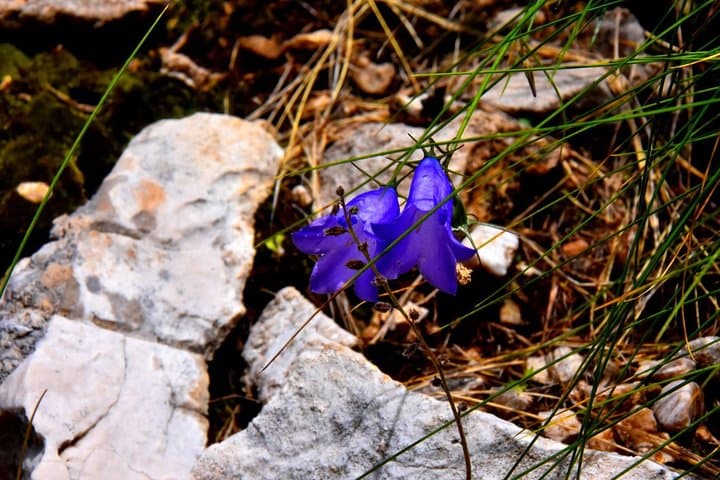
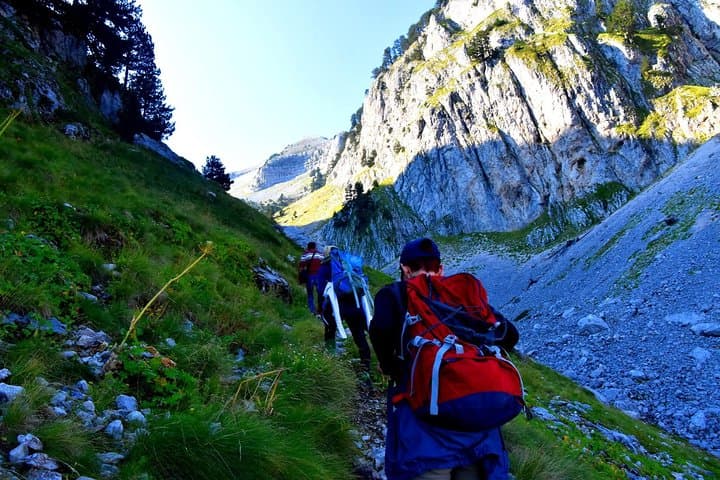
Before sunrise you leave Berat's stone roofs behind and drive into a thinning light. The road narrows, village life slips away and the slope of Tomorr rises like a living wall—pine bands, bright wildflowers and, higher up, exposed rock. Horses clip-clop for the first stretch; after they’re tied off the trail becomes a steady, relentless climb that rewards you with raw views of lakes, valleys and a landscape that feels older than the borders around it.
Verified experiences and guided adventures in the surrounding area.
Operated by Albania Rafting Kayaking Canyoning · Berat, Berat County
Before sunrise you leave Berat's stone roofs behind and drive into a thinning light. The road narrows, village life slips away and the slope of Tomorr rises like a living wall—pine bands, bright wildflowers and, higher up, exposed rock. Horses clip-clop for the first stretch; after they’re tied off the trail becomes a steady, relentless climb that rewards you with raw views of lakes, valleys and a landscape that feels older than the borders around it.
Tomorr (Çuka e Tomorrit), at roughly 2,400 m, is as much cultural summit as geographic: a place of pilgrimage for Christians and Bektashis, tied historically to oral rites and local legend. Geologically the massif is dominated by limestone and karst features, which carve dramatic ridgelines and support a surprising diversity of plants—Plantlife has recognized its importance. Local guides point out plant communities, shepherd trails and the seasonal rhythms of rural life that feed into the mountain’s spirit.
Expect a full, demanding day—early departure, mixed travel by minivan and horse, then an ascent over steep, uneven ground. Trail underfoot shifts from packed dirt and roots to scree; weather on the ridge can turn cold and windy. Practical priorities: steady pacing, 2–3 liters of water, layered clothing, sun protection and poles for stability. If you’re fit, curious about culture and comfortable on long mountain days, Tomorr delivers a hike that mixes natural spectacle with living history.
difficult.
10–12 hours.
High endurance required—regular hill or multi-hour hikes recommended
The full excursion runs about 10–12 hours including transport—expect several hours on horseback or vehicle for approach plus a long ascent and return on foot.
No—organizers recommend a high level of fitness; uneven, steep terrain and long duration make it unsuitable for inexperienced hikers.
National park fees are typically included with guided tours, and a local guide or permit may be required for protected areas.
Alpine conditions prevail—cool, windy and changeable even in summer; afternoon storms are possible so plan for sun and rain.
Tomorr is a site of continuous cultural importance—an annual pilgrimage draws both Christian and Bektashi practitioners, and local oral history links the mountain to ancient sacred sites.
Tomorr sits within a national park and is recognized for important plant communities; stay on trails, pack out waste and follow guidance to protect fragile alpine flora.
Albania Rafting Kayaking Canyoning operates guided outdoor trips and adventures with an emphasis on safety, stewardship, and memorable experiences.
Before sunrise you leave Berat's stone roofs behind and drive into a thinning light. The road narrows, village life slips away and the slope of Tomorr rises like a living wall—pine bands, bright wildflowers and, higher up, exposed rock. Horses clip-clop for the first stretch; after they’re tied off the trail becomes a steady, relentless climb that rewards you with raw views of lakes, valleys and a landscape that feels older than the borders around it.
Before sunrise you leave Berat's stone roofs behind and drive into a thinning light. The road narrows, village life slips away and the slope of Tomorr rises like a living wall—pine bands, bright wildflowers and, higher up, exposed rock. Horses clip-clop for the first stretch; after they’re tied off the trail becomes a steady, relentless climb that rewards you with raw views of lakes, valleys and a landscape that feels older than the borders around it.
Tomorr (Çuka e Tomorrit), at roughly 2,400 m, is as much cultural summit as geographic: a place of pilgrimage for Christians and Bektashis, tied historically to oral rites and local legend. Geologically the massif is dominated by limestone and karst features, which carve dramatic ridgelines and support a surprising diversity of plants—Plantlife has recognized its importance. Local guides point out plant communities, shepherd trails and the seasonal rhythms of rural life that feed into the mountain’s spirit.
Expect a full, demanding day—early departure, mixed travel by minivan and horse, then an ascent over steep, uneven ground. Trail underfoot shifts from packed dirt and roots to scree; weather on the ridge can turn cold and windy. Practical priorities: steady pacing, 2–3 liters of water, layered clothing, sun protection and poles for stability. If you’re fit, curious about culture and comfortable on long mountain days, Tomorr delivers a hike that mixes natural spectacle with living history.