THE ADVENTURE COLLECTIVE® · Independent discovery and booking for outdoor travel

A full-day ascent from the Sparta refuge to Prophet Elias (2,407 m) that combines steep limestone ridges, fragrant alpine meadows, and a summit picnic. Expect roughly 7 hours of sustained climbing with panoramic views across the Peloponnese.
A full-day ascent from the Sparta refuge to Prophet Elias (2,407 m) that combines steep limestone ridges, fragrant alpine meadows, and a summit picnic. Expect roughly 7 hours of sustained climbing with panoramic views across the Peloponnese.
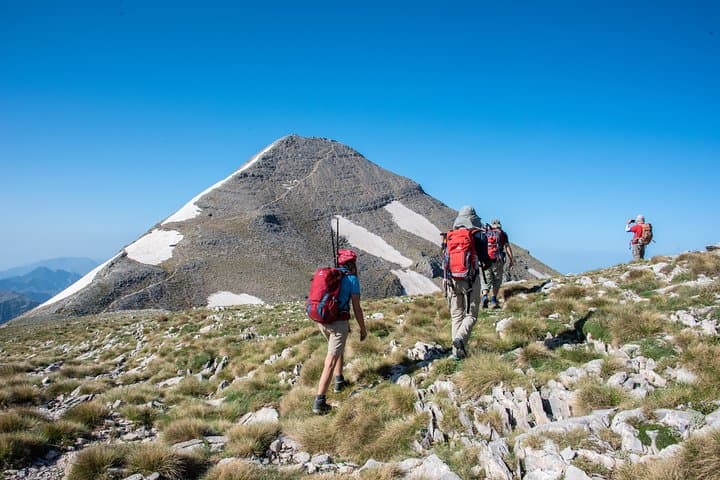
A cool, thin air greets you at the Sparta mountaineering club refuge as the valley below pulls away. You shoulder your pack and follow a limestone spine that pushes the landscape into sharp ridgelines; the trail climbs from 1,550 m through scented shrubs into wide alpine meadows where endemic herbs perfume the breeze. The mountain feels purposeful — ridges that cut like gates, rock faces that have been patient for millions of years.
Verified experiences and guided adventures in the surrounding area.
Operated by Explore Messinia · Sparta, Peloponnese
A cool, thin air greets you at the Sparta mountaineering club refuge as the valley below pulls away. You shoulder your pack and follow a limestone spine that pushes the landscape into sharp ridgelines; the trail climbs from 1,550 m through scented shrubs into wide alpine meadows where endemic herbs perfume the breeze. The mountain feels purposeful — ridges that cut like gates, rock faces that have been patient for millions of years.
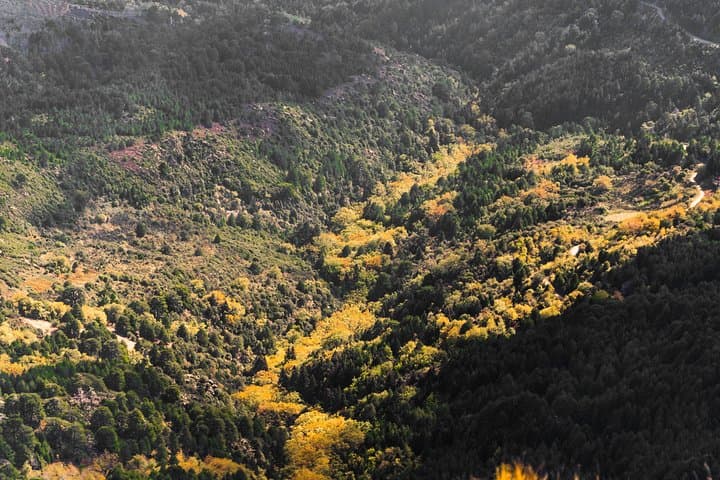
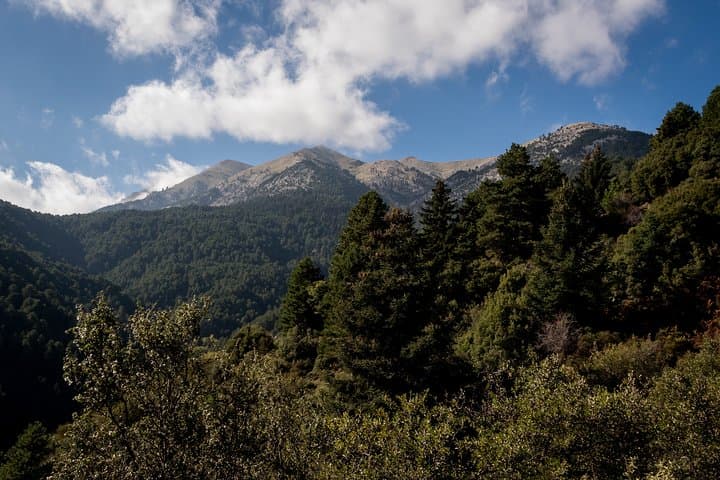
Taygetos records roughly 200 million years of geology in its folded limestone, and its highest peak, Prophet Elias (2,407 m), was a mark of achievement for ancient Spartans. Below, plane-tree gorges and medieval sites around Sparta and Mystras speak to human layers stacked beneath the mountain’s long history.
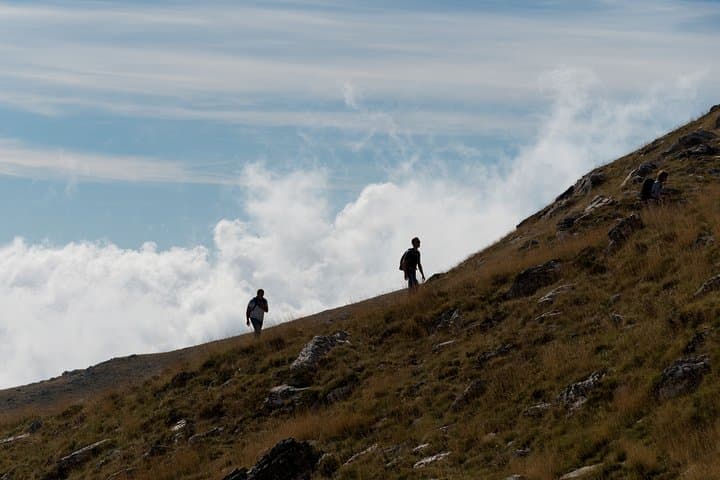
On the route you’ll move from shaded plane-tree ravines to open, rocky slopes: expect steep switchbacks, scree patches and grassy summits with panoramic views to the Laconian plain and the Messinian Gulf. The final ridge — locally called the Immortal Ridge — narrows and tests balance and resolve before opening onto the summit plateau.
Practical guidance: plan for about 7 hours round-trip with ~857 m of elevation gain from the refuge; distance varies with route but expect sustained uphill terrain and sections of loose limestone. Bring layered clothing for wind at the summit, 2–3 liters of water, sturdy boots and poles for stability. Start early to avoid afternoon winds and spend your picnic time watching the horizon expand in every direction.
challenging.
7 hours.
Good aerobic fitness and experience with sustained uphill hiking; ability to handle long days and steep descents.
The guided itinerary is roughly a 7-hour outing with about 857 m (2,807 ft) of elevation gain from the Sparta refuge to the summit and back.
The hike includes narrow ridge sections and loose limestone but no technical climbing; sure-footedness and comfort on exposed terrain are recommended.
A picnic is provided, but bring your own snacks and at least 2 liters of water (more in summer); there are no reliable water sources above the refuge.
Most travelers arrive via Sparta or Kalamata; the group typically assembles at the Sparta mountaineering club refuge or a nearby meeting point arranged by the operator.
The peak (Prophet Elias) was considered an important summit by ancient Spartans and has long been a cultural highpoint in Laconia.
Alpine flora is fragile; stick to established trails, pack out all waste, and avoid disturbing nesting raptors to minimize impact.
Explore Messinia operates guided outdoor trips and adventures with an emphasis on safety, stewardship, and memorable experiences.
A cool, thin air greets you at the Sparta mountaineering club refuge as the valley below pulls away. You shoulder your pack and follow a limestone spine that pushes the landscape into sharp ridgelines; the trail climbs from 1,550 m through scented shrubs into wide alpine meadows where endemic herbs perfume the breeze. The mountain feels purposeful — ridges that cut like gates, rock faces that have been patient for millions of years.
A cool, thin air greets you at the Sparta mountaineering club refuge as the valley below pulls away. You shoulder your pack and follow a limestone spine that pushes the landscape into sharp ridgelines; the trail climbs from 1,550 m through scented shrubs into wide alpine meadows where endemic herbs perfume the breeze. The mountain feels purposeful — ridges that cut like gates, rock faces that have been patient for millions of years.
Taygetos records roughly 200 million years of geology in its folded limestone, and its highest peak, Prophet Elias (2,407 m), was a mark of achievement for ancient Spartans. Below, plane-tree gorges and medieval sites around Sparta and Mystras speak to human layers stacked beneath the mountain’s long history.
On the route you’ll move from shaded plane-tree ravines to open, rocky slopes: expect steep switchbacks, scree patches and grassy summits with panoramic views to the Laconian plain and the Messinian Gulf. The final ridge — locally called the Immortal Ridge — narrows and tests balance and resolve before opening onto the summit plateau.
Practical guidance: plan for about 7 hours round-trip with ~857 m of elevation gain from the refuge; distance varies with route but expect sustained uphill terrain and sections of loose limestone. Bring layered clothing for wind at the summit, 2–3 liters of water, sturdy boots and poles for stability. Start early to avoid afternoon winds and spend your picnic time watching the horizon expand in every direction.