THE ADVENTURE COLLECTIVE® · Independent discovery and booking for outdoor travel

Climb the rim of Mount Longonot for broad Rift Valley views, then cool off with a boat ride on Lake Naivasha. This full-day experience mixes a moderate crater-hike with intimate wildlife viewing on the lake.
Climb the rim of Mount Longonot for broad Rift Valley views, then cool off with a boat ride on Lake Naivasha. This full-day experience mixes a moderate crater-hike with intimate wildlife viewing on the lake.
A thin wind lifts dust from the volcanic trail as hikers push upward toward Mount Longonot’s rim. The crater sits like an open bowl above the Great Rift Valley; grasses swish, and the ridge narrows until the world falls away in curved escarpments. Below, Lake Naivasha waits — placid water punctuated by flocks and the occasional hippo surfacing with a deliberate snort.
Verified experiences and guided adventures in the surrounding area.
Operated by Excellent GameSpotting Adventures · Naivasha, Nakuru County
A thin wind lifts dust from the volcanic trail as hikers push upward toward Mount Longonot’s rim. The crater sits like an open bowl above the Great Rift Valley; grasses swish, and the ridge narrows until the world falls away in curved escarpments. Below, Lake Naivasha waits — placid water punctuated by flocks and the occasional hippo surfacing with a deliberate snort.
Geology and history are plain here: Longonot is a dormant stratovolcano carved by eruptions that left a dramatic caldera and a rim-walk that rewards effort with wide Rift Valley perspectives. The area has long been used by Maasai and agricultural communities; the lake’s shores support flower farms and small settlements whose livelihoods depend on these waters and wetlands.
Expect a steady climb on loose volcanic gravel and rocky switchbacks — roughly 6–8 km round-trip if you follow the crater rim loop, with approximately 500–700 m of elevation gain to the summit. Vegetation alternates between tussock grass, acacia scrub, and open slopes. After the hike, a one-hour boat ride on Lake Naivasha offers close-up birdlife viewing and the chance to see hippos in shallow water.
Practical guidance: start early to avoid heat, wear sturdy footwear with good traction, carry 2L of water and sun protection, and keep a respectful distance from wildlife. The full day trip (including transfers from Nairobi or Naivasha) runs as a 4–8 hour outing—moderate fitness recommended. Follow park rules, pack out trash, and choose local guides to support conservation and community benefits.
moderate.
4–8 hours.
Moderately fit: comfortable walking on uneven ground, able to sustain steady climbs for 3–4 hours.
The hiking portion typically takes 3–4 hours round-trip; the whole tour including transfers and a boat ride runs 4–8 hours.
Older children who are used to sustained uphill walks can do it, but it’s not recommended for toddlers or those with limited mobility.
Yes — boat rides commonly approach hippo pools where you can observe hippos from the boat, though sightings depend on water levels and animal behavior.
On organized day trips, local guides, entry fees to Mount Longonot, and the Lake Naivasha boat ride are typically included—confirm details with the operator.
Mount Longonot formed from Rift Valley volcanic activity; the crater and surrounding slopes have been used by local communities for grazing and cultivation for generations.
Stick to designated trails, avoid disturbing wildlife, and minimize plastic waste—both the park and lake rely on responsible tourism to protect fragile habitats.
Excellent GameSpotting Adventures operates guided outdoor trips and adventures with an emphasis on safety, stewardship, and memorable experiences.

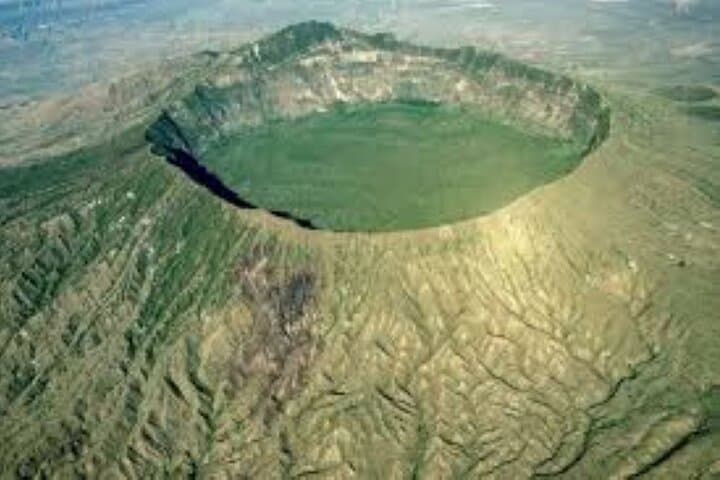
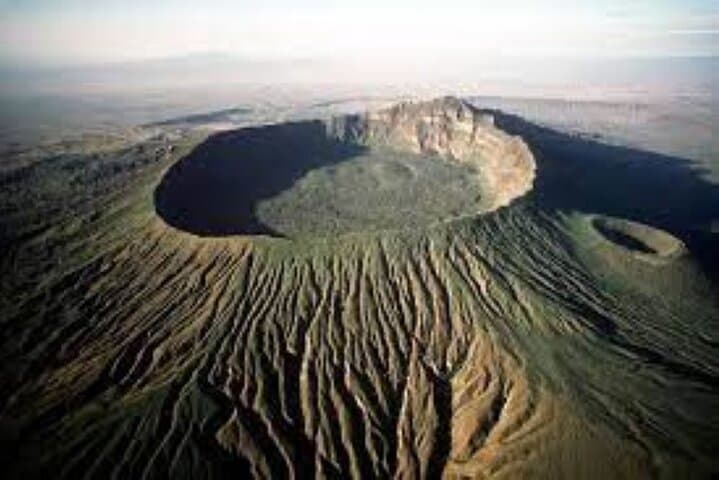
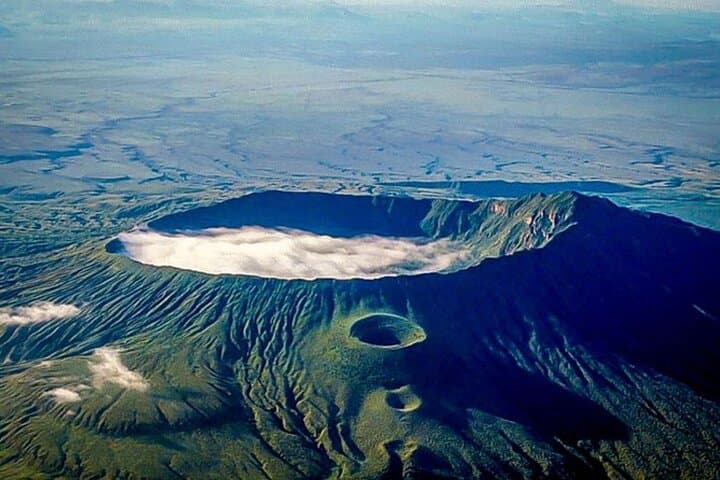
A thin wind lifts dust from the volcanic trail as hikers push upward toward Mount Longonot’s rim. The crater sits like an open bowl above the Great Rift Valley; grasses swish, and the ridge narrows until the world falls away in curved escarpments. Below, Lake Naivasha waits — placid water punctuated by flocks and the occasional hippo surfacing with a deliberate snort.
A thin wind lifts dust from the volcanic trail as hikers push upward toward Mount Longonot’s rim. The crater sits like an open bowl above the Great Rift Valley; grasses swish, and the ridge narrows until the world falls away in curved escarpments. Below, Lake Naivasha waits — placid water punctuated by flocks and the occasional hippo surfacing with a deliberate snort.
Geology and history are plain here: Longonot is a dormant stratovolcano carved by eruptions that left a dramatic caldera and a rim-walk that rewards effort with wide Rift Valley perspectives. The area has long been used by Maasai and agricultural communities; the lake’s shores support flower farms and small settlements whose livelihoods depend on these waters and wetlands.
Expect a steady climb on loose volcanic gravel and rocky switchbacks — roughly 6–8 km round-trip if you follow the crater rim loop, with approximately 500–700 m of elevation gain to the summit. Vegetation alternates between tussock grass, acacia scrub, and open slopes. After the hike, a one-hour boat ride on Lake Naivasha offers close-up birdlife viewing and the chance to see hippos in shallow water.
Practical guidance: start early to avoid heat, wear sturdy footwear with good traction, carry 2L of water and sun protection, and keep a respectful distance from wildlife. The full day trip (including transfers from Nairobi or Naivasha) runs as a 4–8 hour outing—moderate fitness recommended. Follow park rules, pack out trash, and choose local guides to support conservation and community benefits.