THE ADVENTURE COLLECTIVE® · Independent discovery and booking for outdoor travel

The Machame route is a seven-day, scenic but demanding path to Uhuru Peak on Mount Kilimanjaro. This guide blends day-by-day terrain and elevation details with practical advice for acclimatization, gear, and summit strategy.
The Machame route is a seven-day, scenic but demanding path to Uhuru Peak on Mount Kilimanjaro. This guide blends day-by-day terrain and elevation details with practical advice for acclimatization, gear, and summit strategy.
You wake before dawn in Moshi and the town still smells of coffee and diesel. The van peels away from town and climbs through small farms toward the Machame Gate; mist clings to the banana palms and the slope of Kibo looms above like a grey wall. The Machame route — the so-called “Whiskey” route for its reputation — slips you through four very different worlds: dripping rainforest, wind-swept moorland, lunar lava fields and the thin, glaring alpine desert that leads to Uhuru Peak.
Verified experiences and guided adventures in the surrounding area.
Operated by Kentau Safaris · Moshi, Kilimanjaro Region
You wake before dawn in Moshi and the town still smells of coffee and diesel. The van peels away from town and climbs through small farms toward the Machame Gate; mist clings to the banana palms and the slope of Kibo looms above like a grey wall. The Machame route — the so-called “Whiskey” route for its reputation — slips you through four very different worlds: dripping rainforest, wind-swept moorland, lunar lava fields and the thin, glaring alpine desert that leads to Uhuru Peak.
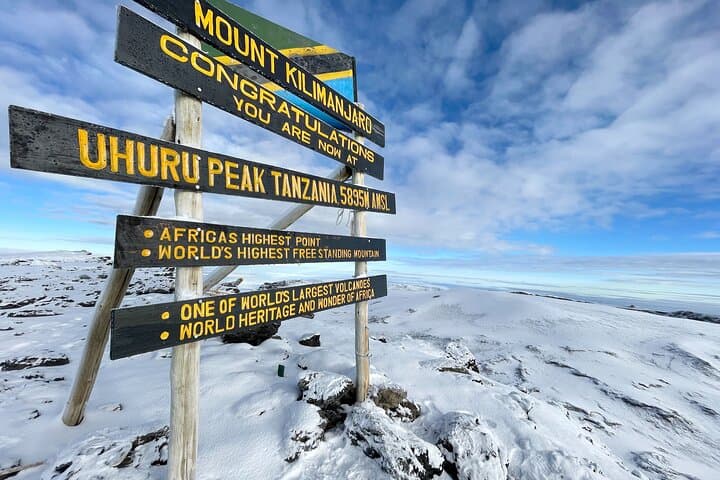
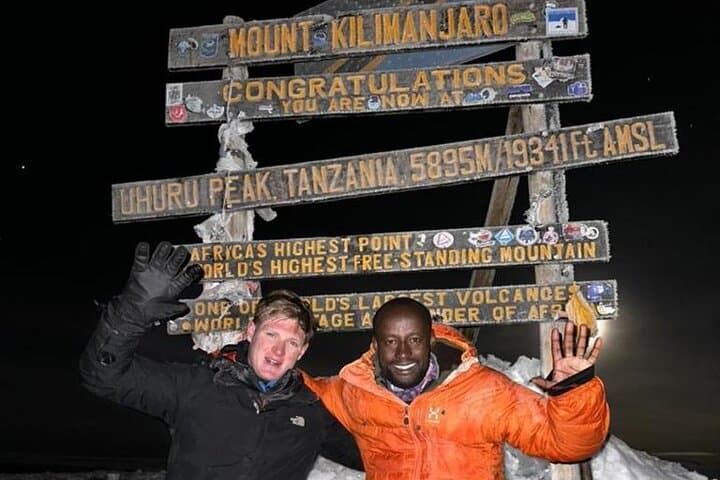
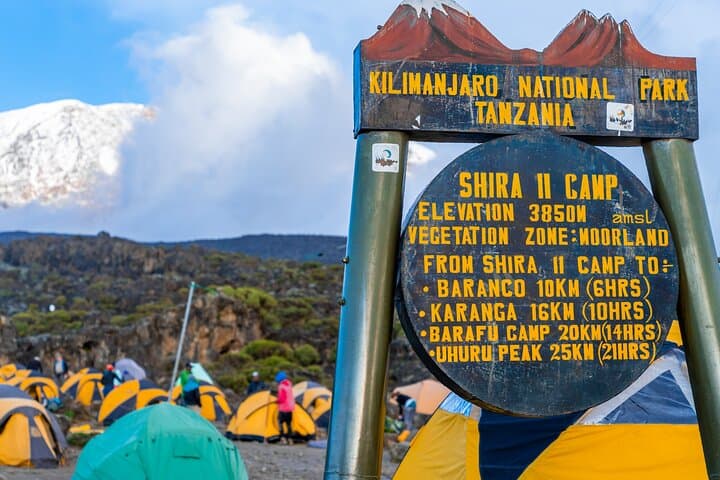
On day one the trail steals you into the forest: 10.7 km, 5–6 hours of muddy switchbacks and roots, where guides point out giant groundsel and black-and-white colobus monkeys. The second day rises onto the Shira Plateau, a broad, high moor with views that reveal Kibo’s ice-capped summit. Day three takes you past the Lava Tower (4,650 m) — a critical acclimatization waypoint — before descending to Barranco Camp. Barranco’s famous wall tests balance and nerve as porters scurry up with gear. From Karanga to Barafu you gain the last meters of exposure and daylight before the midnight start for summit push: roughly 4.9 km up to Stella Point and on to Uhuru Peak (5,895 m), then a long, celebratory descent to Mweka.
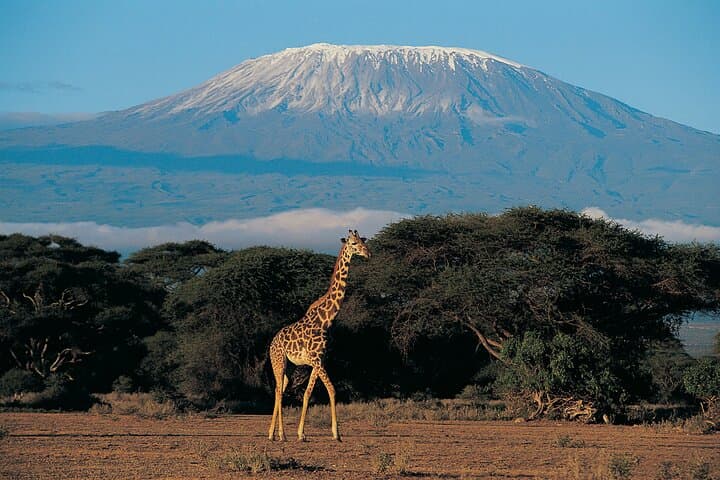
Geology here is blunt and recent: Kibo is a dormant stratovolcano whose glaciers are retreating, carving the crater rim you aim for. Culturally, the Chagga and the mountain’s climbing crews shape this climb — porters, cooks and guides are the rhythm of any successful summit. Respect their expertise and tipping customs; they make the route possible.
Practically, the Machame route is steep and unforgiving at altitude. Expect total walking times of 5–7 hours on most days, with key gains between 800–1,200 m on transition days. Acclimatization is the objective; the itinerary deliberately climbs high and sleeps low where possible. Learn to read your body: persistent headache, nausea or dizziness require descent. Trekking poles, gaiters and layered insulation are essential; crampons are rarely needed but pockets of snow on the final ascent are common.
Plan for variable weather: rainforest soggy one hour, windblown and cold the next. Hydrate constantly (2–3 liters/day), eat regularly, and break summit night into small objectives — one step at a time. Permits are mandatory; choose operators who invest in crew welfare and pack proper insulation. If you do reach Uhuru, the sunrise slices across Africa — a quiet, hard-won panorama worth every blister and early hour.
This Machame climb is not a walk in the park. It’s a focused expedition: physical, humbling and, when it works, unforgettable.
challenging.
7 days.
Good aerobic base and previous multi-day hiking experience recommended; strong legs and stamina for sustained uphill and altitude exposure
You should have regular aerobic training and prior multi-day hikes; summit success depends more on pacing and acclimatization than raw fitness.
No ropes or ice axes are required on the Machame route; basic trekking gear and possibly small crampons for icy patches suffice.
Uhuru Peak is 5,895 m. Expect a midnight start and 5–7 hours up to the summit, then several hours descending to camp or Mweka Gate.
June–October are the clearest months; December–February are also popular. Avoid the long rains (March–May) if possible.
Yes — Kilimanjaro National Park permits are mandatory and arranged by your operator; they cover park fees and rescue contingencies.
Tipping varies, but a common guideline is $10–20/day for guides and proportionally less for porters and cooks; confirm etiquette with your operator.
Kilimanjaro’s slopes are home to the Chagga communities and were first summited by Hans Meyer in 1889; routes like Machame developed later for scenic acclimatization.
Glacial retreat is visible year-to-year; sustainable operators use regulated campsites, carry out waste, and support porter welfare to reduce impact.
Kentau Safaris operates guided outdoor trips and adventures with an emphasis on safety, stewardship, and memorable experiences.
You wake before dawn in Moshi and the town still smells of coffee and diesel. The van peels away from town and climbs through small farms toward the Machame Gate; mist clings to the banana palms and the slope of Kibo looms above like a grey wall. The Machame route — the so-called “Whiskey” route for its reputation — slips you through four very different worlds: dripping rainforest, wind-swept moorland, lunar lava fields and the thin, glaring alpine desert that leads to Uhuru Peak.
You wake before dawn in Moshi and the town still smells of coffee and diesel. The van peels away from town and climbs through small farms toward the Machame Gate; mist clings to the banana palms and the slope of Kibo looms above like a grey wall. The Machame route — the so-called “Whiskey” route for its reputation — slips you through four very different worlds: dripping rainforest, wind-swept moorland, lunar lava fields and the thin, glaring alpine desert that leads to Uhuru Peak.
On day one the trail steals you into the forest: 10.7 km, 5–6 hours of muddy switchbacks and roots, where guides point out giant groundsel and black-and-white colobus monkeys. The second day rises onto the Shira Plateau, a broad, high moor with views that reveal Kibo’s ice-capped summit. Day three takes you past the Lava Tower (4,650 m) — a critical acclimatization waypoint — before descending to Barranco Camp. Barranco’s famous wall tests balance and nerve as porters scurry up with gear. From Karanga to Barafu you gain the last meters of exposure and daylight before the midnight start for summit push: roughly 4.9 km up to Stella Point and on to Uhuru Peak (5,895 m), then a long, celebratory descent to Mweka.
Geology here is blunt and recent: Kibo is a dormant stratovolcano whose glaciers are retreating, carving the crater rim you aim for. Culturally, the Chagga and the mountain’s climbing crews shape this climb — porters, cooks and guides are the rhythm of any successful summit. Respect their expertise and tipping customs; they make the route possible.
Practically, the Machame route is steep and unforgiving at altitude. Expect total walking times of 5–7 hours on most days, with key gains between 800–1,200 m on transition days. Acclimatization is the objective; the itinerary deliberately climbs high and sleeps low where possible. Learn to read your body: persistent headache, nausea or dizziness require descent. Trekking poles, gaiters and layered insulation are essential; crampons are rarely needed but pockets of snow on the final ascent are common.
Plan for variable weather: rainforest soggy one hour, windblown and cold the next. Hydrate constantly (2–3 liters/day), eat regularly, and break summit night into small objectives — one step at a time. Permits are mandatory; choose operators who invest in crew welfare and pack proper insulation. If you do reach Uhuru, the sunrise slices across Africa — a quiet, hard-won panorama worth every blister and early hour.
This Machame climb is not a walk in the park. It’s a focused expedition: physical, humbling and, when it works, unforgettable.