THE ADVENTURE COLLECTIVE® · Independent discovery and booking for outdoor travel

A six‑day climb up Kilimanjaro’s Marangu Route mixes rainforest trails, moorland horizons and a summit push beneath the stars. This practical guide walks you through the route’s highlights, cultural context and what to pack for the altitude challenge.
A six‑day climb up Kilimanjaro’s Marangu Route mixes rainforest trails, moorland horizons and a summit push beneath the stars. This practical guide walks you through the route’s highlights, cultural context and what to pack for the altitude challenge.
Dawn arrives in a cool wash of gray light over Moshi, and the porters are already awake—mats being rolled, kettles clinking, laughter drifting up from the mess tent. By midmorning you step through a gate into Kilimanjaro National Park and the rainforest reaches out like a living wall: damp earth, dripping leaves, and the quick rattle of Colobus monkeys slipping through the canopy. The first day’s climb to Mandara Hut is a warm-up for both the legs and the lungs, a preface to the alpine desert you’ll meet higher on the mountain.
Verified experiences and guided adventures in the surrounding area.
Operated by Kilimanjaro Wonders Expedition Safari · Moshi, Kilimanjaro Region
Dawn arrives in a cool wash of gray light over Moshi, and the porters are already awake—mats being rolled, kettles clinking, laughter drifting up from the mess tent. By midmorning you step through a gate into Kilimanjaro National Park and the rainforest reaches out like a living wall: damp earth, dripping leaves, and the quick rattle of Colobus monkeys slipping through the canopy. The first day’s climb to Mandara Hut is a warm-up for both the legs and the lungs, a preface to the alpine desert you’ll meet higher on the mountain.
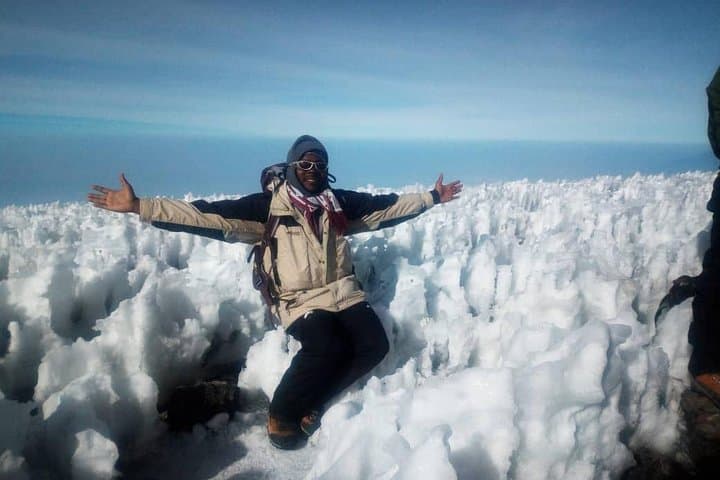
Marangu is the classic “Coca‑Cola” route—fewer camps, sleeping huts in lower camps, and a direct line up Kibo’s southern slopes. Geologically Kilimanjaro is a stratovolcano made of three cones—Shira, Mawenzi and Kibo—whose eruptions and long periods of glacial sculpting have left a stark, layered summit. From Horombo Hut the ragged profile of Mawenzi juts like a ruined fortress; at Kibo the landscape becomes a moonscape of loose scree and wind-swept volcanic ash where the last glaciers cling in narrow crevasses.
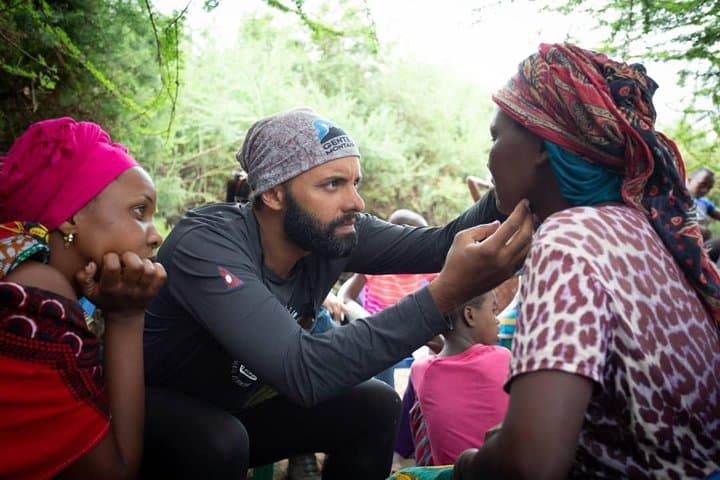
The climb threads through Chagga country, where terraced farms and coffee farms sit on the mountain’s lower flanks. Local guides are often from nearby villages; their knowledge of trails, weather patterns and traditional remedies is as important as GPS or oximetry. Marangu’s huts and the rhythm of porters carrying tents, stoves and smiles are part of the cultural fabric here—respectful interaction and fair tipping are practical courtesies that sustain the local economy.
Practically speaking, this is an altitude-first trek. The itinerary builds acclimatization—two nights at Horombo and a rest day for short side hikes—and the summit push begins around midnight to catch the dawn at Uhuru Peak. Expect very different microclimates: rainforest humid and warm, heathland cold at night, alpine desert raw and thin. Bring layered clothing, practice pole use on scree, and learn to pace—slow, steady steps conserve oxygen.
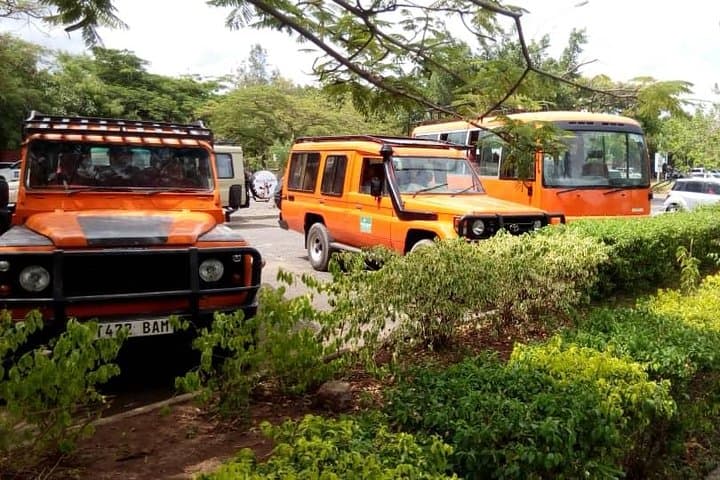
Guides provide oxygen meters, first aid, and rescue protocols; park permits and conservation fees are included in most packages. Plan logistics from Moshi—the drive to Marangu Gate is about an hour; the final descent on day six returns you to Moshi in time for a hot shower and local coffee. Hydration, a strong down jacket for summit night, and serious respect for altitude are the nonnegotiables. Do the preparatory walks at home, listen to your guide, and be ready to move through contrasting ecosystems as the mountain dares you higher—then gives you one of the best sunrises on Earth.
challenging.
6 days.
Good cardiovascular fitness with experience in multi‑day hiking is recommended; regular hill training and aerobic conditioning will help.
No technical climbing skills are required, but prior multi‑day trekking experience and fitness training are strongly recommended due to altitude and long summit day.
Typical inclusions are qualified guides, porters, cook, meals on the mountain, tents or hut accommodation, park fees and return transport to Moshi.
Uhuru Peak is 5,895 m (19,340 ft); altitude sickness can affect anyone—proper acclimatization, hydration and pacing are essential.
June–October and January–February are the most reliable for dry weather and clearer summit conditions, though climbs occur year‑round with seasonal considerations.
Most operators include park entrance fees and rescue contributions; confirm details with your supplier before booking.
Tipping guides and porters is customary; ask your operator for suggested amounts and tip the head guide to distribute fairly.
The Marangu route has long been used by local Chagga people and was among the first access trails opened to early European climbers; Chagga coffee farms dominate the lower slopes.
Kilimanjaro’s glaciers are receding and park fees fund conservation and rescue services; practice pack‑in, pack‑out and follow guide instructions to minimize impact.
Kilimanjaro Wonders Expedition Safari operates guided outdoor trips and adventures with an emphasis on safety, stewardship, and memorable experiences.
Dawn arrives in a cool wash of gray light over Moshi, and the porters are already awake—mats being rolled, kettles clinking, laughter drifting up from the mess tent. By midmorning you step through a gate into Kilimanjaro National Park and the rainforest reaches out like a living wall: damp earth, dripping leaves, and the quick rattle of Colobus monkeys slipping through the canopy. The first day’s climb to Mandara Hut is a warm-up for both the legs and the lungs, a preface to the alpine desert you’ll meet higher on the mountain.
Dawn arrives in a cool wash of gray light over Moshi, and the porters are already awake—mats being rolled, kettles clinking, laughter drifting up from the mess tent. By midmorning you step through a gate into Kilimanjaro National Park and the rainforest reaches out like a living wall: damp earth, dripping leaves, and the quick rattle of Colobus monkeys slipping through the canopy. The first day’s climb to Mandara Hut is a warm-up for both the legs and the lungs, a preface to the alpine desert you’ll meet higher on the mountain.
Marangu is the classic “Coca‑Cola” route—fewer camps, sleeping huts in lower camps, and a direct line up Kibo’s southern slopes. Geologically Kilimanjaro is a stratovolcano made of three cones—Shira, Mawenzi and Kibo—whose eruptions and long periods of glacial sculpting have left a stark, layered summit. From Horombo Hut the ragged profile of Mawenzi juts like a ruined fortress; at Kibo the landscape becomes a moonscape of loose scree and wind-swept volcanic ash where the last glaciers cling in narrow crevasses.
The climb threads through Chagga country, where terraced farms and coffee farms sit on the mountain’s lower flanks. Local guides are often from nearby villages; their knowledge of trails, weather patterns and traditional remedies is as important as GPS or oximetry. Marangu’s huts and the rhythm of porters carrying tents, stoves and smiles are part of the cultural fabric here—respectful interaction and fair tipping are practical courtesies that sustain the local economy.
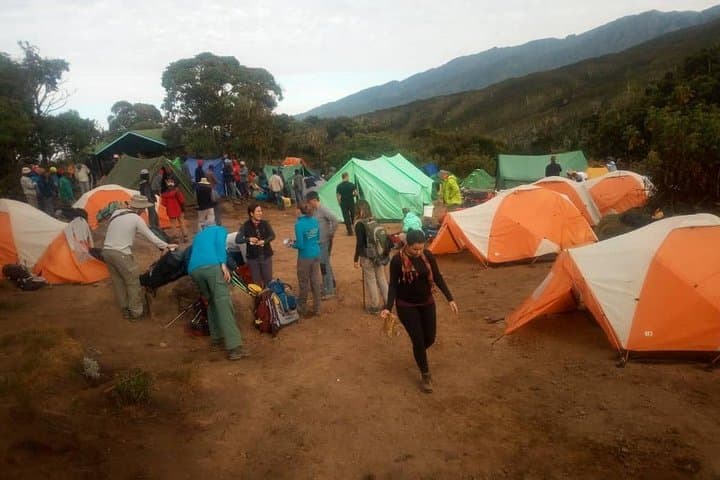
Practically speaking, this is an altitude-first trek. The itinerary builds acclimatization—two nights at Horombo and a rest day for short side hikes—and the summit push begins around midnight to catch the dawn at Uhuru Peak. Expect very different microclimates: rainforest humid and warm, heathland cold at night, alpine desert raw and thin. Bring layered clothing, practice pole use on scree, and learn to pace—slow, steady steps conserve oxygen.
Guides provide oxygen meters, first aid, and rescue protocols; park permits and conservation fees are included in most packages. Plan logistics from Moshi—the drive to Marangu Gate is about an hour; the final descent on day six returns you to Moshi in time for a hot shower and local coffee. Hydration, a strong down jacket for summit night, and serious respect for altitude are the nonnegotiables. Do the preparatory walks at home, listen to your guide, and be ready to move through contrasting ecosystems as the mountain dares you higher—then gives you one of the best sunrises on Earth.