THE ADVENTURE COLLECTIVE® · Independent discovery and booking for outdoor travel

Climb La Soufrière from Kingstown on a private, guide‑led tour that combines rainforest trails, volcanic geology and sweeping coastal views. This full‑day trip handles transport and route logistics so you can focus on the hike and scenery.
Climb La Soufrière from Kingstown on a private, guide‑led tour that combines rainforest trails, volcanic geology and sweeping coastal views. This full‑day trip handles transport and route logistics so you can focus on the hike and scenery.
You step out of an air‑conditioned van and the island air greets you—sweet, warm and threaded with sulfur. The track climbs steadily from humid lowland forest into cloud‑kissed slopes, and the volcano seems to watch you back, its rim a jagged silhouette against the sky.
Verified experiences and guided adventures in the surrounding area.
Operated by taxiGo Limo Airport Service · Kingstown, Saint Vincent
You step out of an air‑conditioned van and the island air greets you—sweet, warm and threaded with sulfur. The track climbs steadily from humid lowland forest into cloud‑kissed slopes, and the volcano seems to watch you back, its rim a jagged silhouette against the sky.
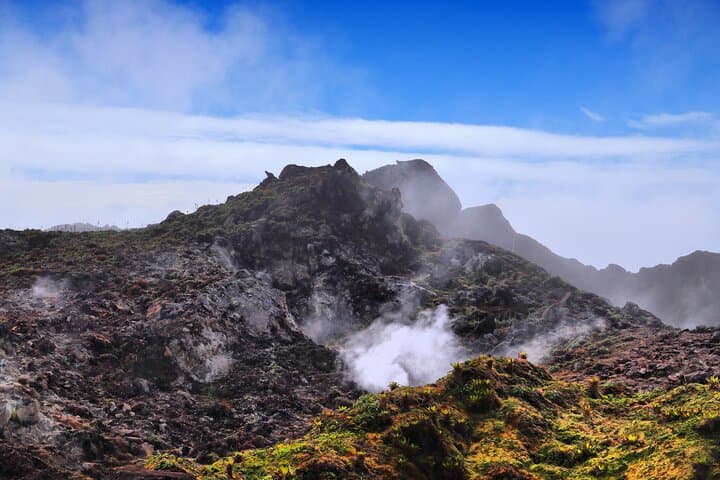
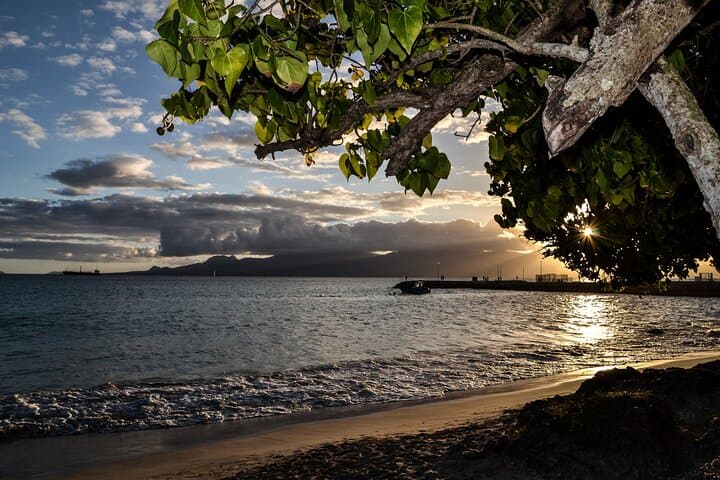
La Soufrière is the highest peak on St. Vincent at about 4,048 ft (1,233 m). Geologically it’s a young, active stratovolcano shaped by repeated eruptions, most recently in 1979 and again with significant activity in 2021; fumaroles and mineral‑stained rock are reminders of the mountain’s restlessness. The route traverses a mosaic of rainforest, fern glades and volcanic scree while offering views of windward and leeward coasts that map the island’s colonial and agricultural history—old plantation terraces and scrubby farmland give way to communities shaped by volcanic risk.
Locals respect the peak as part of island life: guides are often from nearby parishes and the volcano’s past eruptions have informed evacuation and conservation practices.
Practical guidance: expect roughly 15 km (9 miles) round trip with significant elevation gain—plan on an all‑day outing (the operator schedules about eight hours including transfers and free time). Wear sturdy hiking shoes, carry 2–3 liters of water, sun protection and a lightweight rain jacket; morning starts avoid mid‑day heat and shifting weather. The tour is private and guide‑led, so navigation and permits are handled for you, but check volcanic advisories before booking. Small groups move quickly; bring a camera, closed‑toe shoes, and respect fumaroles and marked closures—this is an active landscape that rewards attention as much as ambition.
challenging.
8 hours.
Good aerobic fitness and comfort with sustained uphill hiking and uneven terrain are recommended
The itinerary describes about 15 km (9 miles) round trip with roughly 1,200–1,300 m (3,900–4,300 ft) of elevation gain depending on the start point; plan for an 8‑hour outing including transfers.
The volcano is active; guided tours follow current safety advisories and local monitoring. Operators will not attempt the summit if authorities have issued closures or hazardous conditions.
You don’t need technical climbing skills, but you should be comfortable with prolonged uphill hiking and uneven terrain; moderate‑to‑good fitness is advised.
This private tour includes hotel pickup/drop‑off and guiding; the operator handles any necessary access arrangements—confirm specifics at booking.
La Soufrière’s eruptions have shaped settlement patterns on St. Vincent for centuries; the 1902 and 1979 events left lasting cultural and land‑use impacts.
Trails cross sensitive vegetation and erosion‑prone volcanic soils—stick to paths, pack out waste, and support local guides who contribute to community conservation efforts.
taxiGo Limo Airport Service operates guided outdoor trips and adventures with an emphasis on safety, stewardship, and memorable experiences.

You step out of an air‑conditioned van and the island air greets you—sweet, warm and threaded with sulfur. The track climbs steadily from humid lowland forest into cloud‑kissed slopes, and the volcano seems to watch you back, its rim a jagged silhouette against the sky.
You step out of an air‑conditioned van and the island air greets you—sweet, warm and threaded with sulfur. The track climbs steadily from humid lowland forest into cloud‑kissed slopes, and the volcano seems to watch you back, its rim a jagged silhouette against the sky.
La Soufrière is the highest peak on St. Vincent at about 4,048 ft (1,233 m). Geologically it’s a young, active stratovolcano shaped by repeated eruptions, most recently in 1979 and again with significant activity in 2021; fumaroles and mineral‑stained rock are reminders of the mountain’s restlessness. The route traverses a mosaic of rainforest, fern glades and volcanic scree while offering views of windward and leeward coasts that map the island’s colonial and agricultural history—old plantation terraces and scrubby farmland give way to communities shaped by volcanic risk.
Locals respect the peak as part of island life: guides are often from nearby parishes and the volcano’s past eruptions have informed evacuation and conservation practices.
Practical guidance: expect roughly 15 km (9 miles) round trip with significant elevation gain—plan on an all‑day outing (the operator schedules about eight hours including transfers and free time). Wear sturdy hiking shoes, carry 2–3 liters of water, sun protection and a lightweight rain jacket; morning starts avoid mid‑day heat and shifting weather. The tour is private and guide‑led, so navigation and permits are handled for you, but check volcanic advisories before booking. Small groups move quickly; bring a camera, closed‑toe shoes, and respect fumaroles and marked closures—this is an active landscape that rewards attention as much as ambition.