THE ADVENTURE COLLECTIVE® · Independent discovery and booking for outdoor travel

Scale Kirigalpoththa on a private guided trek through Horton Plains — a highland plateau of wind-swept grass and cloud forest. This strenuous day hike covers uneven terrain and dramatic ridge views; start early and be prepared for rapidly changing weather.
Scale Kirigalpoththa on a private guided trek through Horton Plains — a highland plateau of wind-swept grass and cloud forest. This strenuous day hike covers uneven terrain and dramatic ridge views; start early and be prepared for rapidly changing weather.
A damp mist lifts off the plateau as you start the switchbacks toward Kirigalpoththa, the ridge line opening into a wind-cut highland where grassland and cloud forest trade places. The trail pushes through a patchwork of marshy bogs and exposed rock; wind ruffles the grasses and the air tastes like wet earth. By mid-hike the world drops away to a sweeping valley, the plateau daring you to keep climbing.
Verified experiences and guided adventures in the surrounding area.
Operated by Beyond Escapes · Nuwara Eliya, Central Province
A damp mist lifts off the plateau as you start the switchbacks toward Kirigalpoththa, the ridge line opening into a wind-cut highland where grassland and cloud forest trade places. The trail pushes through a patchwork of marshy bogs and exposed rock; wind ruffles the grasses and the air tastes like wet earth. By mid-hike the world drops away to a sweeping valley, the plateau daring you to keep climbing.
Horton Plains was set aside as a national park in 1969 and today forms part of Sri Lanka’s central highlands UNESCO landscape. Geologically the plateau is ancient Precambrian rock worn into a high-altitude grassland; the peak of Kirigalpoththa itself reaches approximately 2,388 meters, making it the park’s highest publicly accessible summit. Local villages in Nuwara Eliya historically grazed buffalo on these slopes, and you still find tea estates and colonial-era paths on the approach roads.
Expect a long, sustained ascent: roughly a 7 km one-way route with uneven terrain, peat bogs, and short sections of scrambling. Weather shifts quickly — sun can bake the ridge one hour and fog can reduce visibility the next. Guides provide water, snacks and emergency support; they also know the reliable lines to the summit.
Practical notes: start early to avoid cloud cover, wear waterproof footwear and layered clothing for cold winds, and pack electrolytes. Stay on the marked route to protect fragile montane grassland and to reduce impact on resident wildlife.
challenging.
5–7 hours.
Requires strong cardiovascular fitness and endurance for steep sustained climbs at high elevation
The trail to Kirigalpoththa is roughly 7 km one-way with sustained climbs and uneven terrain; expect 5–7 hours round-trip and a challenging effort.
Yes—Horton Plains National Park charges an entry fee and often requires registration; a guide or tour operator typically arranges permits.
Conditions change fast—clear, sunny mornings can give way to thick fog and winds by late morning; temperatures are cooler than the lowlands.
At ~2,388 m the risk is moderate; most hikers acclimatize quickly but stay hydrated, pace yourself, and report symptoms to your guide immediately.
Horton Plains National Park was established in 1969 and later included in the Central Highlands UNESCO World Heritage site for its montane ecosystems.
The plateau’s peat bogs and grasslands are ecologically sensitive—stick to trails, pack out waste, and follow guide instructions to minimize impact.
Beyond Escapes operates guided outdoor trips and adventures with an emphasis on safety, stewardship, and memorable experiences.
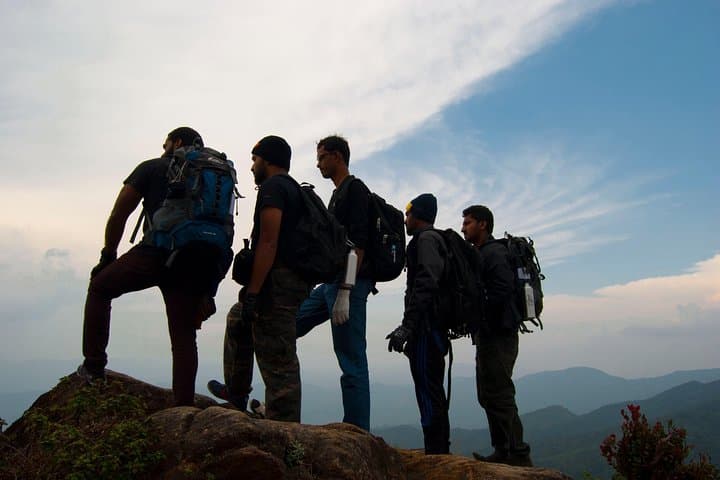
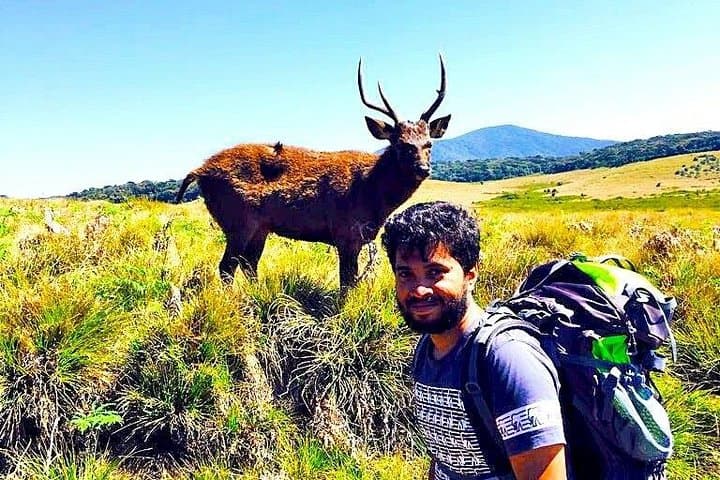
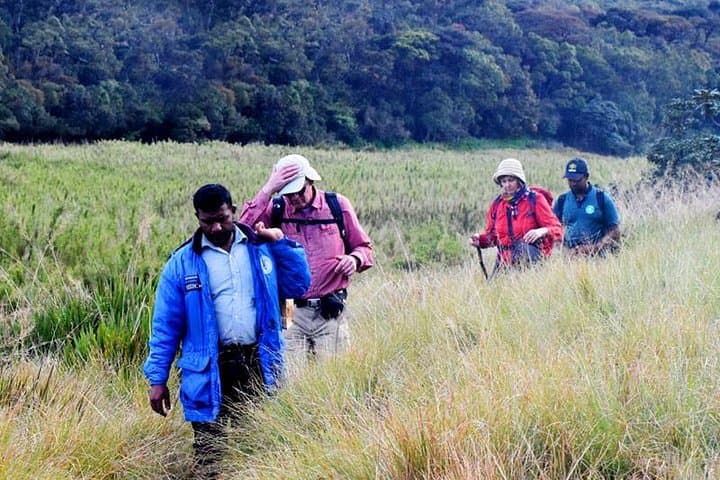
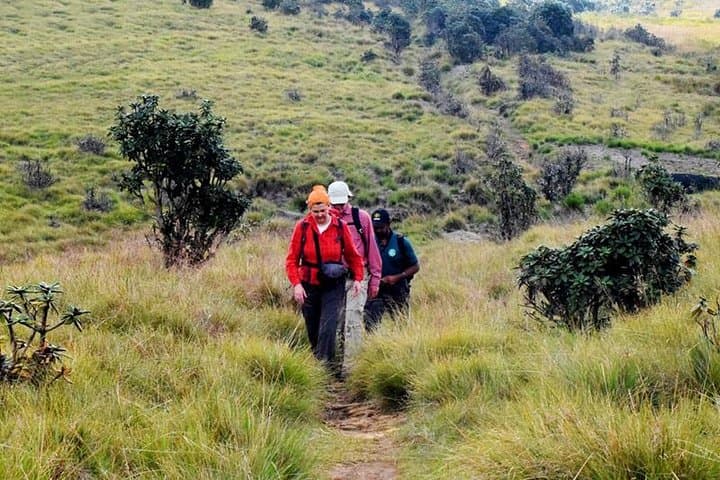
A damp mist lifts off the plateau as you start the switchbacks toward Kirigalpoththa, the ridge line opening into a wind-cut highland where grassland and cloud forest trade places. The trail pushes through a patchwork of marshy bogs and exposed rock; wind ruffles the grasses and the air tastes like wet earth. By mid-hike the world drops away to a sweeping valley, the plateau daring you to keep climbing.
A damp mist lifts off the plateau as you start the switchbacks toward Kirigalpoththa, the ridge line opening into a wind-cut highland where grassland and cloud forest trade places. The trail pushes through a patchwork of marshy bogs and exposed rock; wind ruffles the grasses and the air tastes like wet earth. By mid-hike the world drops away to a sweeping valley, the plateau daring you to keep climbing.
Horton Plains was set aside as a national park in 1969 and today forms part of Sri Lanka’s central highlands UNESCO landscape. Geologically the plateau is ancient Precambrian rock worn into a high-altitude grassland; the peak of Kirigalpoththa itself reaches approximately 2,388 meters, making it the park’s highest publicly accessible summit. Local villages in Nuwara Eliya historically grazed buffalo on these slopes, and you still find tea estates and colonial-era paths on the approach roads.
Expect a long, sustained ascent: roughly a 7 km one-way route with uneven terrain, peat bogs, and short sections of scrambling. Weather shifts quickly — sun can bake the ridge one hour and fog can reduce visibility the next. Guides provide water, snacks and emergency support; they also know the reliable lines to the summit.
Practical notes: start early to avoid cloud cover, wear waterproof footwear and layered clothing for cold winds, and pack electrolytes. Stay on the marked route to protect fragile montane grassland and to reduce impact on resident wildlife.