THE ADVENTURE COLLECTIVE® · Independent discovery and booking for outdoor travel

Walk from forest to ice on Africa’s highest mountain with hut sleeps, experienced guides and a support crew that keeps your focus on steady acclimatization. The Marangu route offers a pragmatic, scenic line to Uhuru Peak with reliable logistics and memorable summit sunrises.
Walk from forest to ice on Africa’s highest mountain with hut sleeps, experienced guides and a support crew that keeps your focus on steady acclimatization. The Marangu route offers a pragmatic, scenic line to Uhuru Peak with reliable logistics and memorable summit sunrises.
The trail starts in a humid green world where moss drips from broad leaves and the rainforest seems to breathe around you. On the second day of the Marangu route, the path climbs through tangled roots and sudden clearings; birds call from the canopy and the mountain’s upper slopes are already pressing a cool shoulder against the sky. By the final night, the stars are so bright they seem to press down on the crater rim, and the sunrise over Kibo’s ice fields repays every slow, steady step.
Verified experiences and guided adventures in the surrounding area.
Operated by Altezza Travel · Moshi, Kilimanjaro Region
The trail starts in a humid green world where moss drips from broad leaves and the rainforest seems to breathe around you. On the second day of the Marangu route, the path climbs through tangled roots and sudden clearings; birds call from the canopy and the mountain’s upper slopes are already pressing a cool shoulder against the sky. By the final night, the stars are so bright they seem to press down on the crater rim, and the sunrise over Kibo’s ice fields repays every slow, steady step.
Marangu is Kilimanjaro’s oldest and most established route, favored for its hut-to-hut system and relatively straightforward lines. Geologically, the mountain is a dormant stratovolcano with three volcanic cones—Kibo, Mawenzi and Shira—shaped by successive eruptions and slow glacial carving; at the summit you stand on volcanic scree above the remaining glaciers that are steadily retreating. Culturally the climb threads through Chagga country, whose irrigation terraces and coffee farms ring the lower slopes; local guides and porters are often from these communities, and their knowledge of weather, trail and traditional highland lore is part of the climb’s fabric.
The experience is equal parts scenery and acclimatization: rainforest that dares you to stand still, heathland scented with Erica, alpine desert that strips vegetation from the rock, and finally the lunar silence above 5,000 meters. Guides monitor pulse and oxygen saturation; huts offer basic shelter and warm meals, a pragmatic alternative to sleeping in a tent. Porters carry the bulk of gear, cooks keep a steady stream of hot tea and carbohydrate-rich meals, and the rhythm of the days—shorter climbs, deliberate pacing—serves one purpose: reach Uhuru Peak with your health intact.
Practical guide: expect 10–16 km days with elevation gains of 800–1,200 meters on several stages. Hydration is non-negotiable—drink often rather than a lot at once—and keep your pace conversational to preserve oxygen. Diamox can help prevent altitude sickness but consult a physician before use. Summit night is long and cold: a layered system, quality sleeping bag and a reliable headlamp are essential. Footwear with solid ankle support and a good sole will protect toes on long descents; blister prevention matters more than speed.
Logistics are straightforward: transfers to Moshi and pre-climb night in a mountain-friendly hotel are usually included; huts are shared per park rules. Best months are January–February and June–October when rainfall is lowest. Remember that Kilimanjaro is protected—carry out your waste, respect porter welfare, and choose operators who fund park fees and use certified first responders. When the sun finally spills over the rim and the glaciers glow, the summit isn’t just a photograph—it’s the product of slow, steady choices made over six days.
challenging.
6–8 days.
Good cardiovascular fitness with prior multi-day hiking experience; able to walk 6–10 hours on consecutive days at altitude.
Marangu is considered one of the more accessible routes due to hut accommodations, but altitude makes it challenging—proper pacing and fitness are essential.
Huts are shared per Kilimanjaro National Park rules (groups of 8–16); operators manage bedding and communal meals.
Altitude sickness is the primary concern—headache, nausea and fatigue. Descents also cause most injuries like sprains and broken toenails.
No technical climbing skills are required; the route is a hike though some sections are steep and rocky at high altitude.
Tipping is customary and supports local livelihoods; many operators provide guidance on recommended amounts based on group size and service length.
June–October and December–February are the most reliable windows for clearer weather and lower precipitation.
Local Chagga communities have lived on Kilimanjaro’s slopes for centuries; Hans Meyer recorded the first successful summit in 1889 and climbing has since become a major local industry.
Kilimanjaro National Park regulates permits and huts—choose operators who fund park fees, minimize waste, and follow porter welfare best practices to reduce environmental and social impacts.
Altezza Travel operates guided outdoor trips and adventures with an emphasis on safety, stewardship, and memorable experiences.
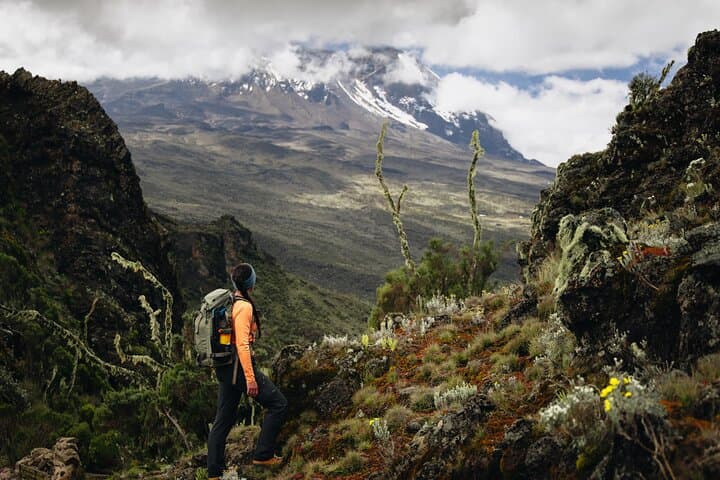
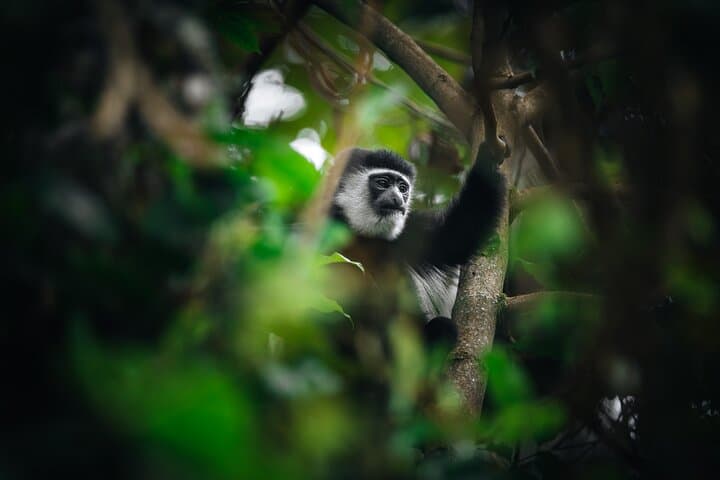
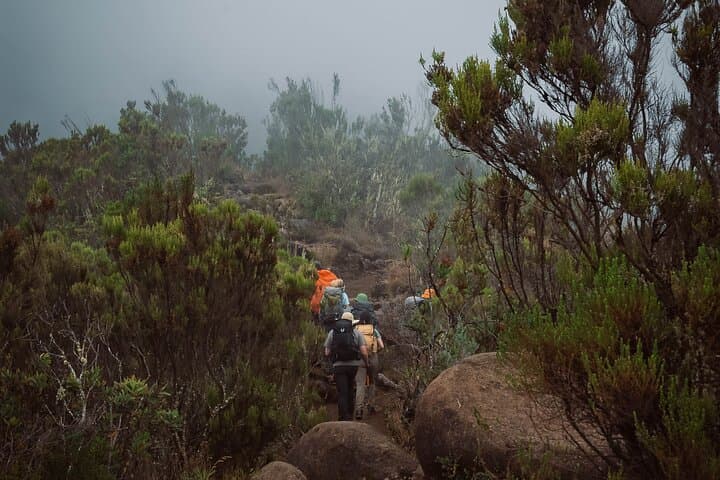
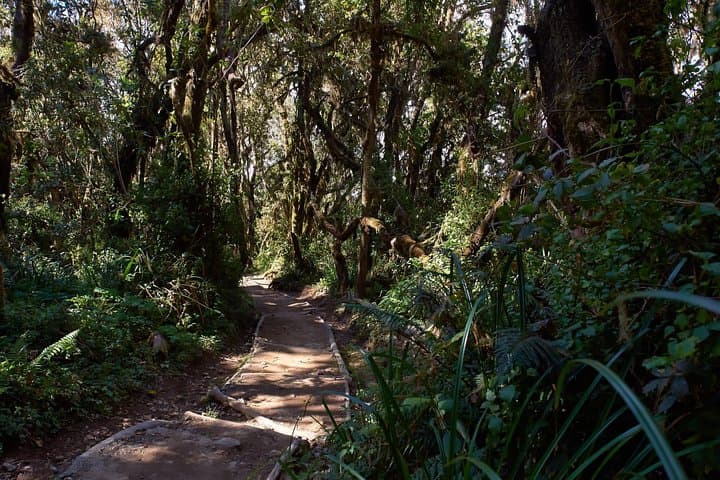
The trail starts in a humid green world where moss drips from broad leaves and the rainforest seems to breathe around you. On the second day of the Marangu route, the path climbs through tangled roots and sudden clearings; birds call from the canopy and the mountain’s upper slopes are already pressing a cool shoulder against the sky. By the final night, the stars are so bright they seem to press down on the crater rim, and the sunrise over Kibo’s ice fields repays every slow, steady step.
The trail starts in a humid green world where moss drips from broad leaves and the rainforest seems to breathe around you. On the second day of the Marangu route, the path climbs through tangled roots and sudden clearings; birds call from the canopy and the mountain’s upper slopes are already pressing a cool shoulder against the sky. By the final night, the stars are so bright they seem to press down on the crater rim, and the sunrise over Kibo’s ice fields repays every slow, steady step.
Marangu is Kilimanjaro’s oldest and most established route, favored for its hut-to-hut system and relatively straightforward lines. Geologically, the mountain is a dormant stratovolcano with three volcanic cones—Kibo, Mawenzi and Shira—shaped by successive eruptions and slow glacial carving; at the summit you stand on volcanic scree above the remaining glaciers that are steadily retreating. Culturally the climb threads through Chagga country, whose irrigation terraces and coffee farms ring the lower slopes; local guides and porters are often from these communities, and their knowledge of weather, trail and traditional highland lore is part of the climb’s fabric.
The experience is equal parts scenery and acclimatization: rainforest that dares you to stand still, heathland scented with Erica, alpine desert that strips vegetation from the rock, and finally the lunar silence above 5,000 meters. Guides monitor pulse and oxygen saturation; huts offer basic shelter and warm meals, a pragmatic alternative to sleeping in a tent. Porters carry the bulk of gear, cooks keep a steady stream of hot tea and carbohydrate-rich meals, and the rhythm of the days—shorter climbs, deliberate pacing—serves one purpose: reach Uhuru Peak with your health intact.
Practical guide: expect 10–16 km days with elevation gains of 800–1,200 meters on several stages. Hydration is non-negotiable—drink often rather than a lot at once—and keep your pace conversational to preserve oxygen. Diamox can help prevent altitude sickness but consult a physician before use. Summit night is long and cold: a layered system, quality sleeping bag and a reliable headlamp are essential. Footwear with solid ankle support and a good sole will protect toes on long descents; blister prevention matters more than speed.
Logistics are straightforward: transfers to Moshi and pre-climb night in a mountain-friendly hotel are usually included; huts are shared per park rules. Best months are January–February and June–October when rainfall is lowest. Remember that Kilimanjaro is protected—carry out your waste, respect porter welfare, and choose operators who fund park fees and use certified first responders. When the sun finally spills over the rim and the glaciers glow, the summit isn’t just a photograph—it’s the product of slow, steady choices made over six days.