THE ADVENTURE COLLECTIVE® · Independent discovery and booking for outdoor travel

A seven-day ascent via the Machame Route takes you through rainforest, moorland and alpine desert to Uhuru Peak. This guide covers what to expect on trail, key logistics and how to prepare for summit night.
A seven-day ascent via the Machame Route takes you through rainforest, moorland and alpine desert to Uhuru Peak. This guide covers what to expect on trail, key logistics and how to prepare for summit night.
You step off the jeep at Machame Gate and the trail immediately threads into a damp, green world — the rainforest reaches for your sleeves, roots curl like old fingers across the path, and the mountain’s bulk looms above in layers: forest, moorland, alpine desert, then ice.
Verified experiences and guided adventures in the surrounding area.
Operated by Pazuri Africa · Moshi, Kilimanjaro Region
You step off the jeep at Machame Gate and the trail immediately threads into a damp, green world — the rainforest reaches for your sleeves, roots curl like old fingers across the path, and the mountain’s bulk looms above in layers: forest, moorland, alpine desert, then ice.
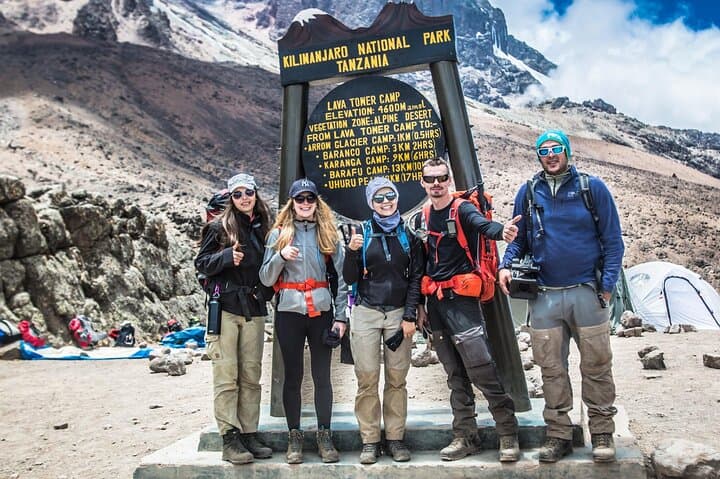
Kilimanjaro is a dormant volcanic massif made of three cones (Kibo, Mawenzi, Shira) carved by ancient eruptions and modern freeze-thaw. The Machame (“Whiskey”) route approaches from the southwest and was developed to maximize scenic variety: dense rainforest, the wide Shira Plateau, the basalt cliffs around Lava Tower and the exposed scree toward Barafu. The Chagga people have farmed the lower slopes for centuries; porters and guides from local communities bring cultural rhythm to each camp.
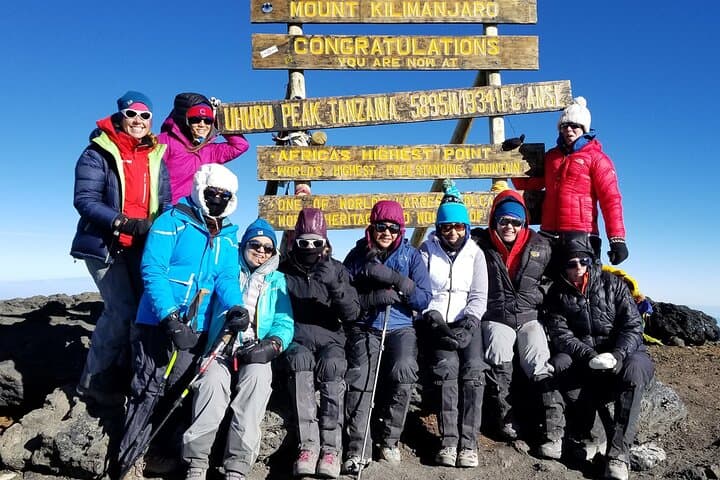
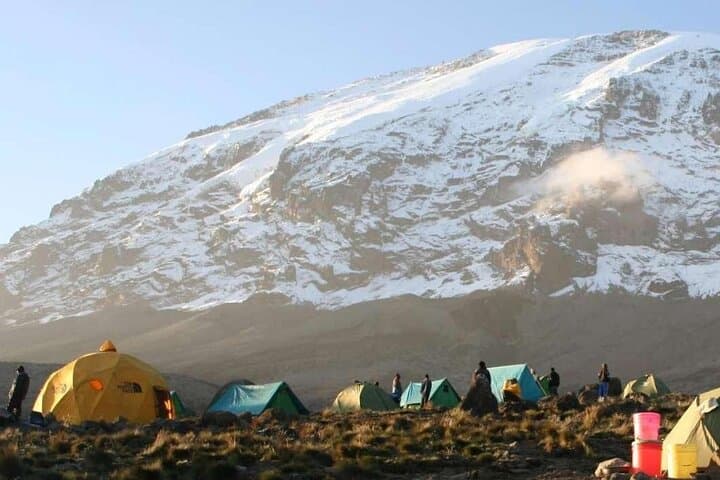
Practical guide: the itinerary climbs from roughly 1,490 m to Uhuru Peak at 5,895 m — about 4,400 m of elevation gain across seven days. Daily hikes are typically 4–6 hours with a few longer summit-night stretches; terrain varies from muddy rainforest trails to rocky scree and hard-packed alpine desert. Acclimatization is built into the schedule (Lava Tower’s high point then descent is key). Expect cold nights below freezing above 3,800 m and possible snow near the summit. Hydrate, layer aggressively, and follow your guide’s pacing — slow, steady steps beat fast starts at altitude. Summit night is mental as well as physical: short sleep, an all-night slog through scree, sunrise at Stella Point, then a final push to Uhuru. Respect the mountain: pack out waste, tip support staff fairly, and allow time in Moshi or Arusha to rest before and after the climb.
challenging.
7 days.
Good cardiovascular fitness with experience doing multi-day hikes; able to walk 4–8 hours daily carrying a daypack and manage sleep at altitude.
The driest, most stable months are January–March and June–October; these months offer clearer skies and firmer trail conditions.
Technical climbing skills aren’t required, but prior multi-day trekking and familiarity with altitude are highly recommended.
Kilimanjaro National Park requires registered guides; most operators include porters and cooks to manage camps and logistics.
Mild symptoms are common; operators manage risk through pacing, acclimatization days, and oxygen/evacuation plans — communicate symptoms to your guide immediately.
Local Chagga communities have farmed Kilimanjaro’s lower slopes for centuries and the mountain has long been a cultural landmark; European summit attempts began in the late 19th century.
Glaciers on Kibo have receded dramatically; stick to established trails, minimize single-use plastics, and support certified operators who follow park waste and porter welfare rules.
Pazuri Africa operates guided outdoor trips and adventures with an emphasis on safety, stewardship, and memorable experiences.
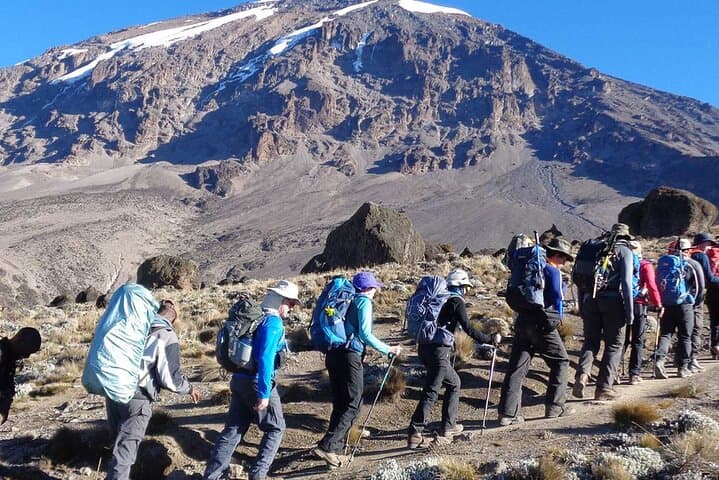
You step off the jeep at Machame Gate and the trail immediately threads into a damp, green world — the rainforest reaches for your sleeves, roots curl like old fingers across the path, and the mountain’s bulk looms above in layers: forest, moorland, alpine desert, then ice.
You step off the jeep at Machame Gate and the trail immediately threads into a damp, green world — the rainforest reaches for your sleeves, roots curl like old fingers across the path, and the mountain’s bulk looms above in layers: forest, moorland, alpine desert, then ice.
Kilimanjaro is a dormant volcanic massif made of three cones (Kibo, Mawenzi, Shira) carved by ancient eruptions and modern freeze-thaw. The Machame (“Whiskey”) route approaches from the southwest and was developed to maximize scenic variety: dense rainforest, the wide Shira Plateau, the basalt cliffs around Lava Tower and the exposed scree toward Barafu. The Chagga people have farmed the lower slopes for centuries; porters and guides from local communities bring cultural rhythm to each camp.
Practical guide: the itinerary climbs from roughly 1,490 m to Uhuru Peak at 5,895 m — about 4,400 m of elevation gain across seven days. Daily hikes are typically 4–6 hours with a few longer summit-night stretches; terrain varies from muddy rainforest trails to rocky scree and hard-packed alpine desert. Acclimatization is built into the schedule (Lava Tower’s high point then descent is key). Expect cold nights below freezing above 3,800 m and possible snow near the summit. Hydrate, layer aggressively, and follow your guide’s pacing — slow, steady steps beat fast starts at altitude. Summit night is mental as well as physical: short sleep, an all-night slog through scree, sunrise at Stella Point, then a final push to Uhuru. Respect the mountain: pack out waste, tip support staff fairly, and allow time in Moshi or Arusha to rest before and after the climb.