THE ADVENTURE COLLECTIVE® · Independent discovery and booking for outdoor travel

A focused 3-day guided ascent of Huayna Potosí from La Paz that combines glacier skills training with an attainable 6,000‑meter summit. Expect steep glacier travel, an early pre-dawn push and basic refugio accommodation.
A focused 3-day guided ascent of Huayna Potosí from La Paz that combines glacier skills training with an attainable 6,000‑meter summit. Expect steep glacier travel, an early pre-dawn push and basic refugio accommodation.
Night air on the Altiplano tastes thin and metallic as the minivan peels away from La Paz and climbs toward Paso Zongo. Headlamps flash on the glacier for a 1 a.m. start; crampons chatter on hard snow while the mountain waits, indifferent and exacting.
Verified experiences and guided adventures in the surrounding area.
Operated by Climbing South America · La Paz, La Paz Department
Night air on the Altiplano tastes thin and metallic as the minivan peels away from La Paz and climbs toward Paso Zongo. Headlamps flash on the glacier for a 1 a.m. start; crampons chatter on hard snow while the mountain waits, indifferent and exacting.
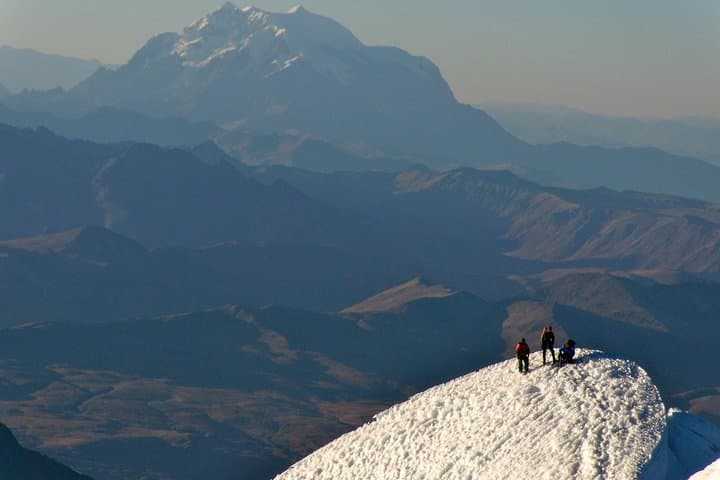
Huayna Potosí (6,008 m) sits on the western edge of the Cordillera Real, its north face shaped by repeated glaciation and capped by a compact summit ridge. The route from Paso Zongo climbs steadily from 3,600 m base altitude to 4,700 m at the lower camp, then to 5,200 m on a rocky buttress before the glacier and the steep Pala Chica section near 5,600 m. Indigenous Aymara communities long used the valleys below for transit, and nearby mining history punctuates the approach with abandoned shafts and cemeteries that speak to Bolivia’s extractive past.
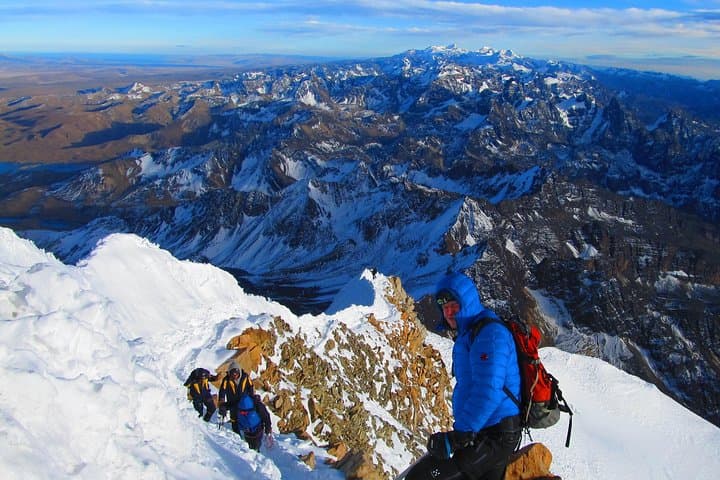
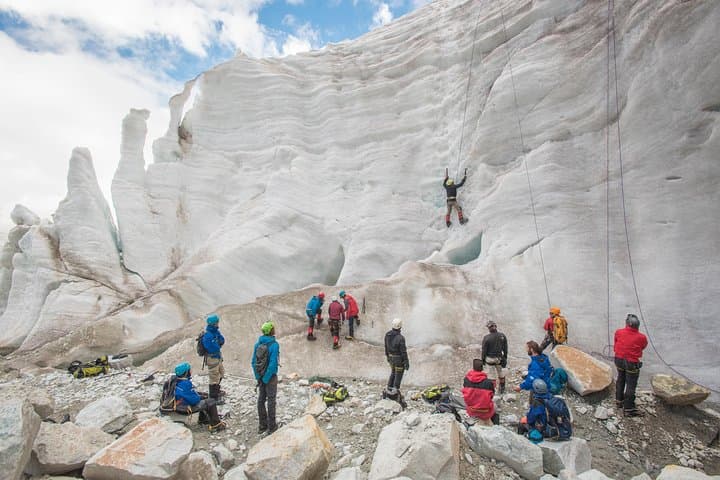
The itinerary is practical: day one introduces glacier travel and basic ice techniques, day two walks to high camp to rest and kit up, day three is an alpine-style pre-dawn summit push on crampons and fixed rope sections, followed by a long descent to La Paz. Expect exposed snow ridges, crevasse-sculpted ice, and dramatic views down toward Lake Titicaca and the Amazon foothills.
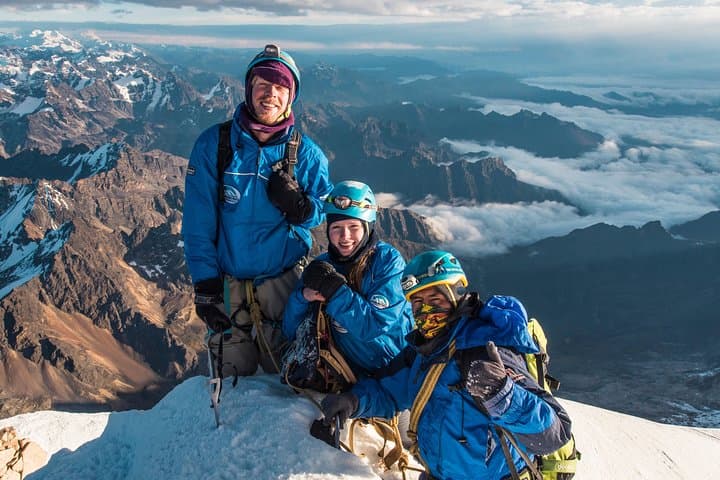
Plan for altitude: hydrate, eat, and sleep when advised. The operator supplies double boots, axe, helmet and crampons, but bring a warm shell, layered insulation, sun protection and a reliable headlamp. Weather changes fast; early starts and conservative turn-around decisions are part of safe summit strategy. For experienced hikers ready to step into basic mountaineering, Huayna Potosí is a compact, achievable 6,000‑meter objective with high payoff and strict demands on fitness and planning.
difficult.
3 days.
High aerobic fitness and previous high‑altitude trekking experience recommended; be comfortable hiking 6–10 hours with heavy boots.
You should have strong cardiovascular fitness and prior high-elevation trekking experience; expect several long days with steep snow travel and significant altitude gain.
No advanced technical climbing is required—the guides teach rope team and ice techniques—but comfort with crampons and self-arrest is important.
The operator supplies double boots, helmet, crampons, ice axe and guides; you should bring personal layers, a sleeping liner, headlamp, and personal essentials.
Altitude sickness, rapidly changing weather, cold exposure and crevasse hazards are the primary risks—follow guide instructions and be prepared to turn back for safety.
The Cordillera Real has long been a transit and ritual landscape for Aymara communities; mining and colonial activity left visible artifacts along the approach.
Glacier retreat is visible on Huayna Potosí; minimize impact by staying on established routes, packing out waste and following guide rules to protect sensitive high‑altitude ecosystems.
Climbing South America operates guided outdoor trips and adventures with an emphasis on safety, stewardship, and memorable experiences.
Night air on the Altiplano tastes thin and metallic as the minivan peels away from La Paz and climbs toward Paso Zongo. Headlamps flash on the glacier for a 1 a.m. start; crampons chatter on hard snow while the mountain waits, indifferent and exacting.
Night air on the Altiplano tastes thin and metallic as the minivan peels away from La Paz and climbs toward Paso Zongo. Headlamps flash on the glacier for a 1 a.m. start; crampons chatter on hard snow while the mountain waits, indifferent and exacting.
Huayna Potosí (6,008 m) sits on the western edge of the Cordillera Real, its north face shaped by repeated glaciation and capped by a compact summit ridge. The route from Paso Zongo climbs steadily from 3,600 m base altitude to 4,700 m at the lower camp, then to 5,200 m on a rocky buttress before the glacier and the steep Pala Chica section near 5,600 m. Indigenous Aymara communities long used the valleys below for transit, and nearby mining history punctuates the approach with abandoned shafts and cemeteries that speak to Bolivia’s extractive past.
The itinerary is practical: day one introduces glacier travel and basic ice techniques, day two walks to high camp to rest and kit up, day three is an alpine-style pre-dawn summit push on crampons and fixed rope sections, followed by a long descent to La Paz. Expect exposed snow ridges, crevasse-sculpted ice, and dramatic views down toward Lake Titicaca and the Amazon foothills.
Plan for altitude: hydrate, eat, and sleep when advised. The operator supplies double boots, axe, helmet and crampons, but bring a warm shell, layered insulation, sun protection and a reliable headlamp. Weather changes fast; early starts and conservative turn-around decisions are part of safe summit strategy. For experienced hikers ready to step into basic mountaineering, Huayna Potosí is a compact, achievable 6,000‑meter objective with high payoff and strict demands on fitness and planning.