THE ADVENTURE COLLECTIVE® · Independent discovery and booking for outdoor travel

A classic three-day ascent from La Paz, Huayna Potosí is one of the most accessible 6,000‑meter climbs in the Andes. This guided itinerary pairs practical acclimatization with basic glacier training to give motivated climbers a real shot at the summit.
A classic three-day ascent from La Paz, Huayna Potosí is one of the most accessible 6,000‑meter climbs in the Andes. This guided itinerary pairs practical acclimatization with basic glacier training to give motivated climbers a real shot at the summit.
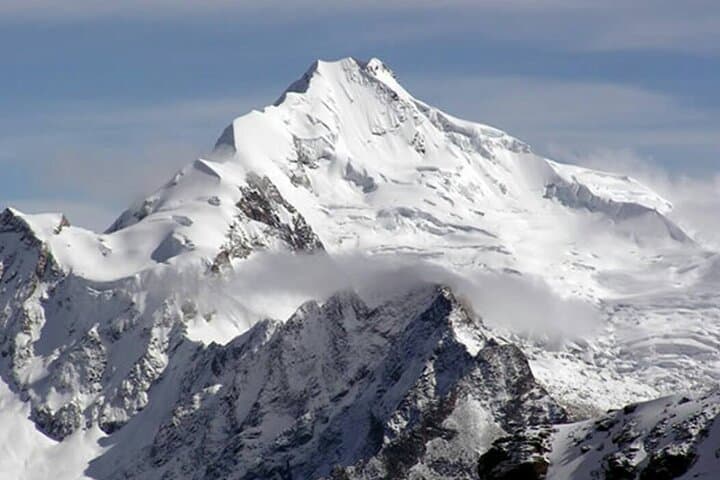
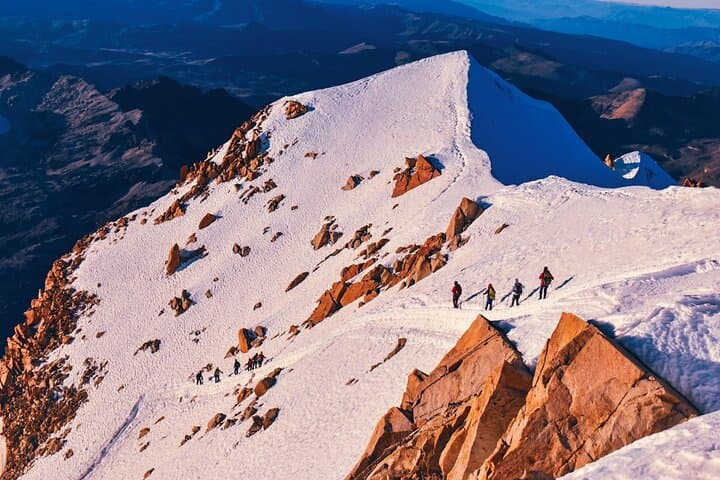
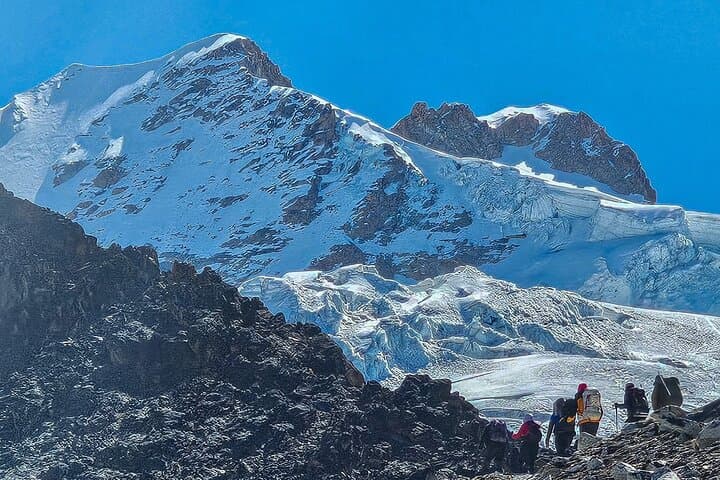
You stand under a star-sleek sky at 1:00 a.m., headlamp beams cutting through a thin, cold air as the moraine crunches underfoot. Huayna Potosí’s glacier pitches upward like a white spine against the highland sky; the wind has a way of reminding you this is altitude territory.
Verified experiences and guided adventures in the surrounding area.
Operated by Peru Expeditions Tours · La Paz, La Paz
You stand under a star-sleek sky at 1:00 a.m., headlamp beams cutting through a thin, cold air as the moraine crunches underfoot. Huayna Potosí’s glacier pitches upward like a white spine against the highland sky; the wind has a way of reminding you this is altitude territory.
The Cordillera Real has been a travel corridor and sacred landscape for Andean cultures for centuries. Geologically, Huayna Potosí is a heavily glaciated granite and metamorphic massif sculpted by repeated ice ages; on clear mornings the summit frames Lake Titicaca to the northwest and the city of La Paz cradled in its valley.
Local guides are often Aymara or mestizo and bring practical mountain knowledge passed generation to generation. The refugios and moraine camps used on this standard three-day itinerary sit between 4,700–5,200 m, designed to give one night of acclimatization before the summit push.
Expect steep snow and ice slopes, intermittent boot-packed trail, and short sections of roped glacier travel. The itinerary commonly includes technical practice with crampons and ice axe, a night at base shelter, a move to high camp and a pre-dawn summit attempt—total elevation gain from base is roughly 1,400 meters with summit at 6,088 m.
Practical tips: hydrate and eat small snacks frequently, keep pace on the climb to avoid overexertion, and layer for wide temperature swings. Guides supply group gear (crampons, axes, harnesses) but personal high-altitude boots, insulated layers and a good sleeping system make long summit nights manageable. With preparation and respect for altitude, Huayna Potosí offers an attainable 6,000‑m objective and panoramic high-Andean rewards.
difficult.
3 days.
Good aerobic fitness with regular hill or stair training; comfortable carrying a 6–10 kg pack at altitude.
No advanced experience is required, but you should be comfortable on steep snow and learn basic crampon and ice-axe technique during the provided training.
Acclimatization and fitness are the primary factors—one night at 4,700 m and another at high camp significantly improve summit chances, but AMS can still occur.
Group gear typically includes crampons, harness, ice axe, helmets and some windproof layers, but personal boots, base layers and sleeping gear are expected.
This climb is not recommended for travelers with cardiovascular or serious spine problems; consult a physician before booking.
The Cordillera Real was an important area for pre‑Hispanic Andean communities and later for colonial miners; many routes and refugios sit on historical pastoral and travel corridors.
High‑altitude environments are fragile—pack out waste, avoid stepping on fragile cryophilic plants, and follow guide instructions to minimize glacial and moraine impact.
Peru Expeditions Tours operates guided outdoor trips and adventures with an emphasis on safety, stewardship, and memorable experiences.
You stand under a star-sleek sky at 1:00 a.m., headlamp beams cutting through a thin, cold air as the moraine crunches underfoot. Huayna Potosí’s glacier pitches upward like a white spine against the highland sky; the wind has a way of reminding you this is altitude territory.
You stand under a star-sleek sky at 1:00 a.m., headlamp beams cutting through a thin, cold air as the moraine crunches underfoot. Huayna Potosí’s glacier pitches upward like a white spine against the highland sky; the wind has a way of reminding you this is altitude territory.
The Cordillera Real has been a travel corridor and sacred landscape for Andean cultures for centuries. Geologically, Huayna Potosí is a heavily glaciated granite and metamorphic massif sculpted by repeated ice ages; on clear mornings the summit frames Lake Titicaca to the northwest and the city of La Paz cradled in its valley.
Local guides are often Aymara or mestizo and bring practical mountain knowledge passed generation to generation. The refugios and moraine camps used on this standard three-day itinerary sit between 4,700–5,200 m, designed to give one night of acclimatization before the summit push.
Expect steep snow and ice slopes, intermittent boot-packed trail, and short sections of roped glacier travel. The itinerary commonly includes technical practice with crampons and ice axe, a night at base shelter, a move to high camp and a pre-dawn summit attempt—total elevation gain from base is roughly 1,400 meters with summit at 6,088 m.
Practical tips: hydrate and eat small snacks frequently, keep pace on the climb to avoid overexertion, and layer for wide temperature swings. Guides supply group gear (crampons, axes, harnesses) but personal high-altitude boots, insulated layers and a good sleeping system make long summit nights manageable. With preparation and respect for altitude, Huayna Potosí offers an attainable 6,000‑m objective and panoramic high-Andean rewards.