THE ADVENTURE COLLECTIVE® · Independent discovery and booking for outdoor travel

A compact three-day climb from La Paz to the 6,088 m summit of Huayna Potosí. Expect glacier travel, steep ice pitches and guided roped travel—ideal for acclimatized climbers with basic mountaineering skills.
A compact three-day climb from La Paz to the 6,088 m summit of Huayna Potosí. Expect glacier travel, steep ice pitches and guided roped travel—ideal for acclimatized climbers with basic mountaineering skills.
Night air on the Altiplano feels thin and honest—breath comes in shallow, deliberate pulls as headlamps pick out the glacier’s blue ribs. Climbers meet in La Paz before a steep drive to Base Camp at about 4,700 m; from there the mountain pulls upward, a clear line of ice and rock toward 6,088 m.
Verified experiences and guided adventures in the surrounding area.
Operated by All Transport Tour Operator · La Paz, La Paz
Night air on the Altiplano feels thin and honest—breath comes in shallow, deliberate pulls as headlamps pick out the glacier’s blue ribs. Climbers meet in La Paz before a steep drive to Base Camp at about 4,700 m; from there the mountain pulls upward, a clear line of ice and rock toward 6,088 m.
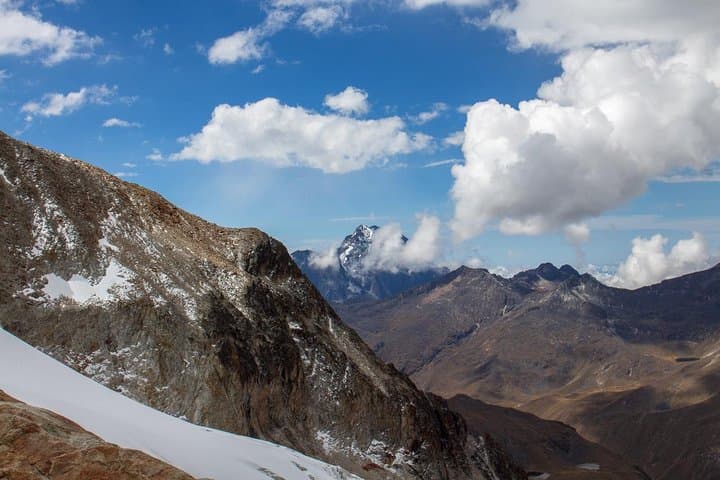
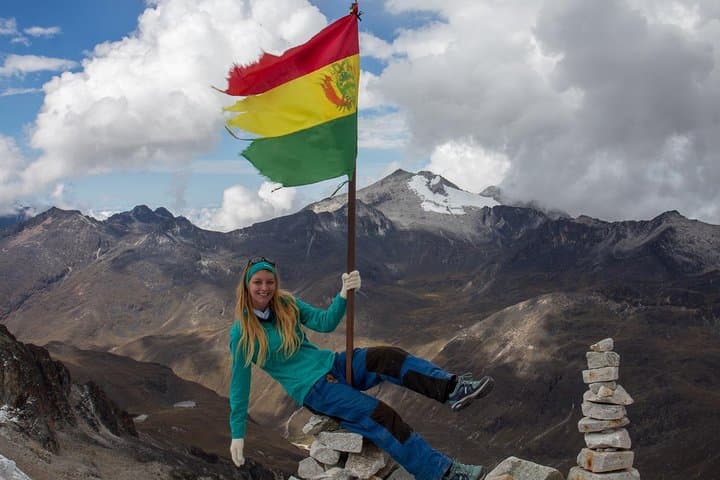
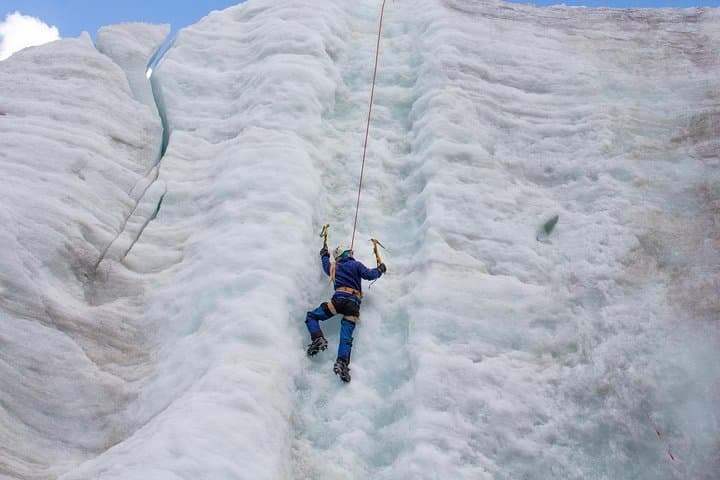
Huayna Potosí sits on the Cordillera Real and has long been a landmark for Aymara communities; its name references a “young” peak in local languages and the massif displays classic Andean glaciation and steep moraine scars. Geologically it’s a glaciated granite and volcanic flank with crevassed icefields on its normal route. The guided 3-day itinerary uses Base Camp (4,700 m), Campo Alto (5,130 m) and a midnight summit push: expect roughly 1,388 m of elevation gain from Base Camp to the 6,088 m summit, glacier travel at 35–40° grades and a technical 50 m wall at 55–60°.
Practically, this is a high-altitude mountaineering objective that rewards steady pacing, strong core breathing, and crampon proficiency. Acclimatize in La Paz for 48+ hours, pack layered insulation, and be prepared to move slowly on rotten snow or firm ice. Guides rope teams, provide technical gear, and plan summit windows for stable weather—summit day can take 4–7 hours up from Campo Alto and 3–5 hours down.
Expect sharp sun, sudden wind, and cold nights; treat glacier features with respect, listen to your guide, and plan recovery time back in La Paz. For experienced hikers seeking a high, accessible Andean summit, Huayna Potosí delivers raw elevation, predictable route-finding, and striking Cordillera Real panoramas.
difficult.
3 days (72 hours total).
Good aerobic base with experience at altitude; ability to ascend steadily for 4–7 hours while carrying a daypack.
Basic mountaineering experience (crampon and ice-axe use) is strongly recommended; guides will rope teams and provide instruction but steep ice sections require confidence on crampons.
The dry season (roughly May–September) offers the most stable conditions and is the most popular window for summit attempts.
From Campo Alto (5,130 m) expect 4–7 hours to the 6,088 m summit and about 1,388 m of gain from Base Camp (4,700 m) to the summit overall.
Yes—altitude sickness can occur even in fit climbers; proper acclimatization, hydration, slow pacing and informing guides of symptoms are essential.
Huayna Potosí has been a prominent feature of the Cordillera Real for centuries and holds cultural significance for local Aymara communities; its modern popularity as an accessible 6,000 m peak dates to the 20th century.
Glacial retreat has been observed on the mountain; stick to established routes, pack out waste, and follow guide instructions to minimize impact on fragile high-altitude ecosystems.
All Transport Tour Operator operates guided outdoor trips and adventures with an emphasis on safety, stewardship, and memorable experiences.

Night air on the Altiplano feels thin and honest—breath comes in shallow, deliberate pulls as headlamps pick out the glacier’s blue ribs. Climbers meet in La Paz before a steep drive to Base Camp at about 4,700 m; from there the mountain pulls upward, a clear line of ice and rock toward 6,088 m.
Night air on the Altiplano feels thin and honest—breath comes in shallow, deliberate pulls as headlamps pick out the glacier’s blue ribs. Climbers meet in La Paz before a steep drive to Base Camp at about 4,700 m; from there the mountain pulls upward, a clear line of ice and rock toward 6,088 m.
Huayna Potosí sits on the Cordillera Real and has long been a landmark for Aymara communities; its name references a “young” peak in local languages and the massif displays classic Andean glaciation and steep moraine scars. Geologically it’s a glaciated granite and volcanic flank with crevassed icefields on its normal route. The guided 3-day itinerary uses Base Camp (4,700 m), Campo Alto (5,130 m) and a midnight summit push: expect roughly 1,388 m of elevation gain from Base Camp to the 6,088 m summit, glacier travel at 35–40° grades and a technical 50 m wall at 55–60°.
Practically, this is a high-altitude mountaineering objective that rewards steady pacing, strong core breathing, and crampon proficiency. Acclimatize in La Paz for 48+ hours, pack layered insulation, and be prepared to move slowly on rotten snow or firm ice. Guides rope teams, provide technical gear, and plan summit windows for stable weather—summit day can take 4–7 hours up from Campo Alto and 3–5 hours down.
Expect sharp sun, sudden wind, and cold nights; treat glacier features with respect, listen to your guide, and plan recovery time back in La Paz. For experienced hikers seeking a high, accessible Andean summit, Huayna Potosí delivers raw elevation, predictable route-finding, and striking Cordillera Real panoramas.