THE ADVENTURE COLLECTIVE® · Independent discovery and booking for outdoor travel

Take a guided ascent of Gros Piton from Soufrière, St. Lucia—an exposed, steep hike through rainforest to sweeping Caribbean views. This practical guide covers what to expect on trail, the geological importance of the Pitons, and how to prepare for the climb.
Take a guided ascent of Gros Piton from Soufrière, St. Lucia—an exposed, steep hike through rainforest to sweeping Caribbean views. This practical guide covers what to expect on trail, the geological importance of the Pitons, and how to prepare for the climb.
You arrive in Soufrière before dawn and the Pitons sit like two hulking brothers on the horizon; Gros Piton stares down in a way that makes you check your boots twice. The minivan drops you at the trailhead, a cluster of palms and volcanic boulders, and your guide clips on a headlamp—today the mountain will set the pace.
Verified experiences and guided adventures in the surrounding area.
Operated by A1 Transfer & Tours SLU · Soufrière, Soufrière Quarter
You arrive in Soufrière before dawn and the Pitons sit like two hulking brothers on the horizon; Gros Piton stares down in a way that makes you check your boots twice. The minivan drops you at the trailhead, a cluster of palms and volcanic boulders, and your guide clips on a headlamp—today the mountain will set the pace.
Gros Piton is a volcanic plug formed as magma hardened in a vent and then weathered around it; the pair of Pitons and surrounding coastline form a UNESCO World Heritage Site that records St. Lucia’s geologic past. Culturally the climb ties to Soufrière’s fishing and cocoa traditions—local guides often grew up in nearby villages and read the trail like a map of seasons.
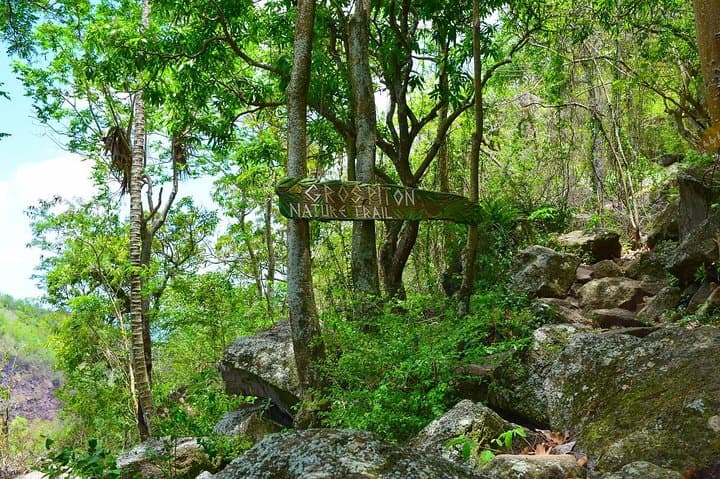
The route climbs steep, often rocky switchbacks through moist rainforest, then opens onto exposed ridges with broad views of the Caribbean and the smaller Petit Piton. Expect roughly 2.5 km uphill with about 780–800 m of elevation gain to the summit cairn; some scrambling and short steep sections require steady footing and a calm head.
Practical edge: start early to avoid midday heat, carry at least 2 liters of water, and wear grippy hiking boots—your guide leads but staying on trail protects fragile plants and reduces erosion. Entrance fees are typically paid separately; the tour often includes private pickup and bottled water but not summit charges. Finish the loop in Soufrière with a cool dip or a walk along the coast to let the island’s heat and the mountain’s push sink in.
challenging.
6–7 hours (including transport).
High level of cardiovascular fitness recommended; comfortable with sustained climbs and short scrambling.
The hike covers roughly 2.5 km uphill with about 780–800 m of elevation gain; the whole tour including transport runs about 6–7 hours.
Guides are standard and recommended—trails are steep and guides manage safety, pace, and local knowledge.
Entrance fees to the Pitons are typically not included in the booking; pay locally or confirm with your operator before departure.
This tour is not recommended for young children; operators commonly advise against children under 12 and those with limited fitness.
The Pitons are remnants of volcanic activity and form part of the Pitons Management Area, a UNESCO World Heritage Site reflecting St. Lucia’s volcanic geology and cultural landscape.
Stick to marked trails and guided routes—heavy foot traffic can accelerate erosion; small-group guiding and local park fees support conservation and community livelihoods.
A1 Transfer & Tours SLU operates guided outdoor trips and adventures with an emphasis on safety, stewardship, and memorable experiences.

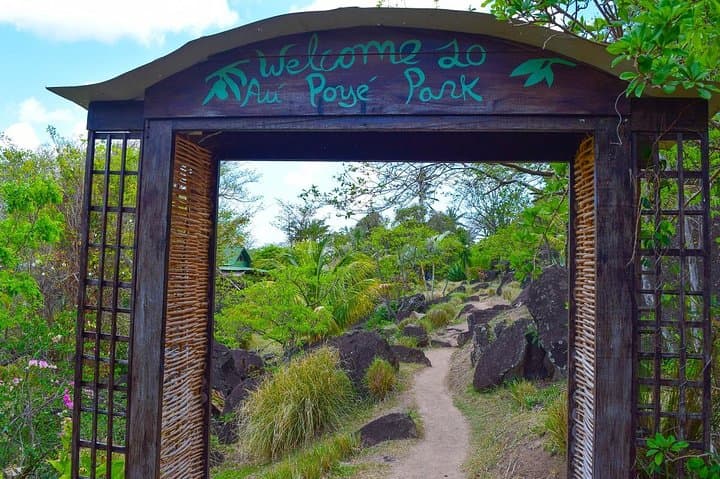

You arrive in Soufrière before dawn and the Pitons sit like two hulking brothers on the horizon; Gros Piton stares down in a way that makes you check your boots twice. The minivan drops you at the trailhead, a cluster of palms and volcanic boulders, and your guide clips on a headlamp—today the mountain will set the pace.
You arrive in Soufrière before dawn and the Pitons sit like two hulking brothers on the horizon; Gros Piton stares down in a way that makes you check your boots twice. The minivan drops you at the trailhead, a cluster of palms and volcanic boulders, and your guide clips on a headlamp—today the mountain will set the pace.
Gros Piton is a volcanic plug formed as magma hardened in a vent and then weathered around it; the pair of Pitons and surrounding coastline form a UNESCO World Heritage Site that records St. Lucia’s geologic past. Culturally the climb ties to Soufrière’s fishing and cocoa traditions—local guides often grew up in nearby villages and read the trail like a map of seasons.
The route climbs steep, often rocky switchbacks through moist rainforest, then opens onto exposed ridges with broad views of the Caribbean and the smaller Petit Piton. Expect roughly 2.5 km uphill with about 780–800 m of elevation gain to the summit cairn; some scrambling and short steep sections require steady footing and a calm head.
Practical edge: start early to avoid midday heat, carry at least 2 liters of water, and wear grippy hiking boots—your guide leads but staying on trail protects fragile plants and reduces erosion. Entrance fees are typically paid separately; the tour often includes private pickup and bottled water but not summit charges. Finish the loop in Soufrière with a cool dip or a walk along the coast to let the island’s heat and the mountain’s push sink in.