THE ADVENTURE COLLECTIVE® · Independent discovery and booking for outdoor travel

A challenging day-hike to Fansipan takes you from Sapa’s valleys to the Roof of Indochina at 3,147.3 m. This guide covers what to expect on trail, local context, and practical tips to prepare for a steep, weather-variable summit push.
A challenging day-hike to Fansipan takes you from Sapa’s valleys to the Roof of Indochina at 3,147.3 m. This guide covers what to expect on trail, local context, and practical tips to prepare for a steep, weather-variable summit push.
You set out before dawn from Sapa, headlamp cutting a narrow path through moss-slick rhododendron and bamboo. The trail climbs relentlessly; the jungle tightens, then opens onto rocky ledges that push you toward a thin, wind-scoured summit where clouds move like a slow sea.
Verified experiences and guided adventures in the surrounding area.
Operated by SAIGONESE TREKKING HOUSE · Sapa, Lào Cai
You set out before dawn from Sapa, headlamp cutting a narrow path through moss-slick rhododendron and bamboo. The trail climbs relentlessly; the jungle tightens, then opens onto rocky ledges that push you toward a thin, wind-scoured summit where clouds move like a slow sea.
Fansipan (Phan Xi Păng) tops out at 3,147.3 m and has long been the highest point on the Indochinese Peninsula. The mountain’s geology is a mix of metamorphic bedrock and steep, eroded ridgelines shaped by monsoon-fed rivers. Culturally the area is dominated by Hmong and Dao communities whose villages—some at ~1,500 m—offer simple homestays and mountain food used historically by porters and traders.
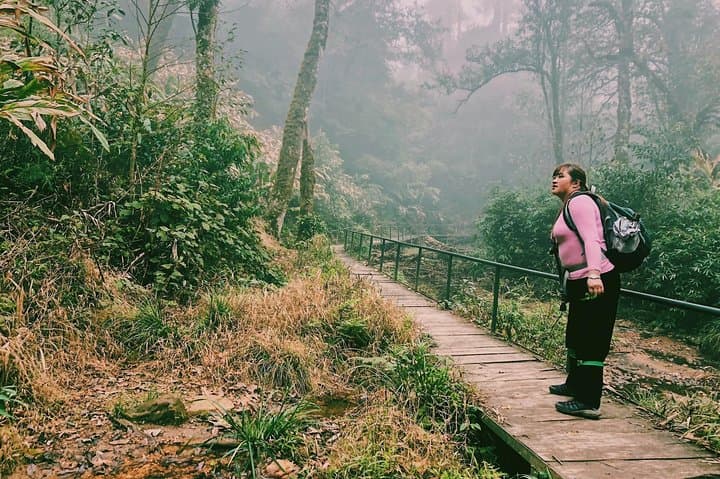
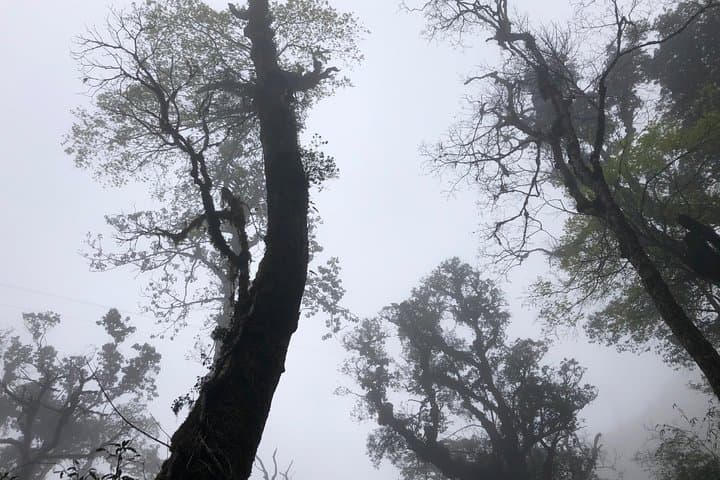
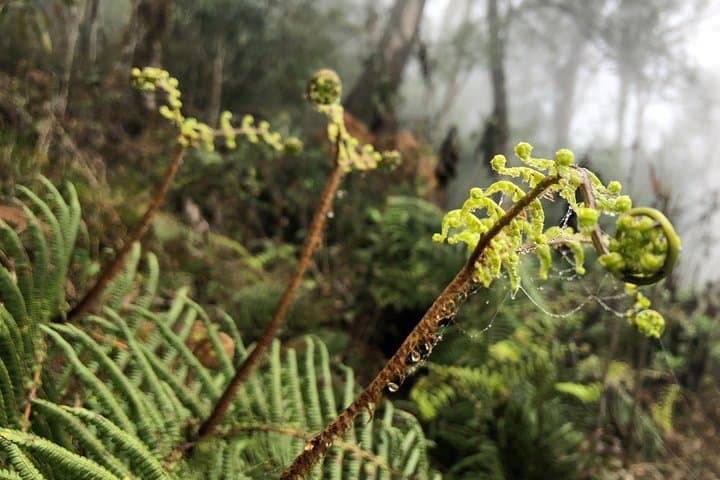
Expect jungle lower slopes, dense rhododendron and oak groves around mid-elevation, and exposed rock near the peak. Weather shifts fast; sun can burn in minutes, and a wind-driven cloud can cut visibility to a few meters. The route demands steady pacing, good knees and a high aerobic base—many operators bundle private transport, a local guide and a midday meal at a village rest point.
Practical: plan for 7–9 hours round trip, bring layered breathable clothing, and allow extra time for descent. Hydrate early and carry a simple first-aid kit—altitude headaches are common above 2,500 m. Local guides manage permits and route choices; book through a reputable outfitter and respect trail etiquette to limit erosion.
Summiting Fansipan in a day is compact, demanding, and enormously rewarding—a concentrated slice of Indochina’s high-country adventure.
challenging.
7–9 hours.
Requires high aerobic fitness, strong legs for steep, prolonged climbs, and prior day-hike experience at altitude.
Typical guided itineraries run 7–9 hours total, depending on pace and weather; operators often include transport and a village lunch.
While many summit in a day, spending a night in Sapa or a nearby village at ~1,500 m reduces risk of altitude-related symptoms.
Guides are strongly recommended; they handle permits, route decisions and local safety, and many tours include one.
October–November and March–May offer the most stable conditions; monsoon months bring heavy rain and slippery trails.
Fansipan has been recorded as the highest peak in the region since early 20th-century surveys and sits within a landscape long inhabited by Hmong and Dao communities.
Trails are vulnerable to erosion; stay on established paths, use local guides who follow low-impact practices, and avoid single-use plastics where possible.
SAIGONESE TREKKING HOUSE operates guided outdoor trips and adventures with an emphasis on safety, stewardship, and memorable experiences.

You set out before dawn from Sapa, headlamp cutting a narrow path through moss-slick rhododendron and bamboo. The trail climbs relentlessly; the jungle tightens, then opens onto rocky ledges that push you toward a thin, wind-scoured summit where clouds move like a slow sea.
You set out before dawn from Sapa, headlamp cutting a narrow path through moss-slick rhododendron and bamboo. The trail climbs relentlessly; the jungle tightens, then opens onto rocky ledges that push you toward a thin, wind-scoured summit where clouds move like a slow sea.
Fansipan (Phan Xi Păng) tops out at 3,147.3 m and has long been the highest point on the Indochinese Peninsula. The mountain’s geology is a mix of metamorphic bedrock and steep, eroded ridgelines shaped by monsoon-fed rivers. Culturally the area is dominated by Hmong and Dao communities whose villages—some at ~1,500 m—offer simple homestays and mountain food used historically by porters and traders.
Expect jungle lower slopes, dense rhododendron and oak groves around mid-elevation, and exposed rock near the peak. Weather shifts fast; sun can burn in minutes, and a wind-driven cloud can cut visibility to a few meters. The route demands steady pacing, good knees and a high aerobic base—many operators bundle private transport, a local guide and a midday meal at a village rest point.
Practical: plan for 7–9 hours round trip, bring layered breathable clothing, and allow extra time for descent. Hydrate early and carry a simple first-aid kit—altitude headaches are common above 2,500 m. Local guides manage permits and route choices; book through a reputable outfitter and respect trail etiquette to limit erosion.
Summiting Fansipan in a day is compact, demanding, and enormously rewarding—a concentrated slice of Indochina’s high-country adventure.