THE ADVENTURE COLLECTIVE® · Independent discovery and booking for outdoor travel

Climb Cotopaxi in a two-day guided itinerary that pairs a refuge night with a midnight summit push to 5,897 m. Expect glacier travel, crampon work, and long, cold hours rewarded by dramatic crater and highland views.
Climb Cotopaxi in a two-day guided itinerary that pairs a refuge night with a midnight summit push to 5,897 m. Expect glacier travel, crampon work, and long, cold hours rewarded by dramatic crater and highland views.
A thin, cold light bleeds across the high Andean plain as climbers file out of the José Rivas refuge and into the night. The volcano’s flanks loom black and steep; the glacier ahead catches the headlamp cones and turns them into sharp, moving lines. By dawn the crater appears: wind-sculpted ice and a smoking rim framed by an expansive highland sky.
Verified experiences and guided adventures in the surrounding area.
Operated by Peru Expeditions Tours · Latacunga, Cotopaxi Province
A thin, cold light bleeds across the high Andean plain as climbers file out of the José Rivas refuge and into the night. The volcano’s flanks loom black and steep; the glacier ahead catches the headlamp cones and turns them into sharp, moving lines. By dawn the crater appears: wind-sculpted ice and a smoking rim framed by an expansive highland sky.
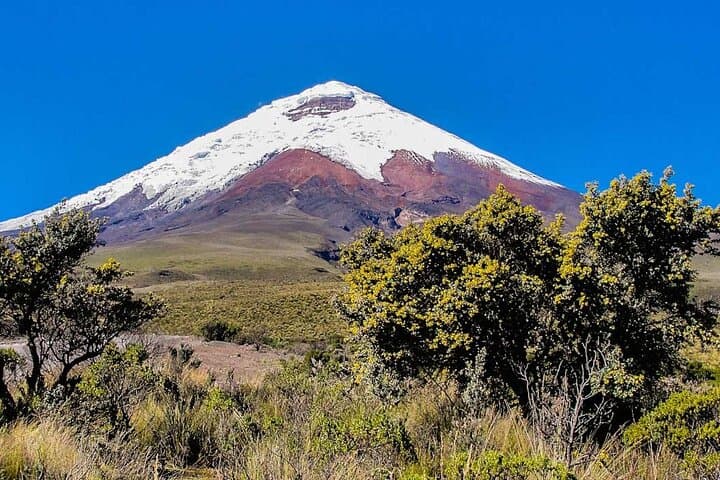
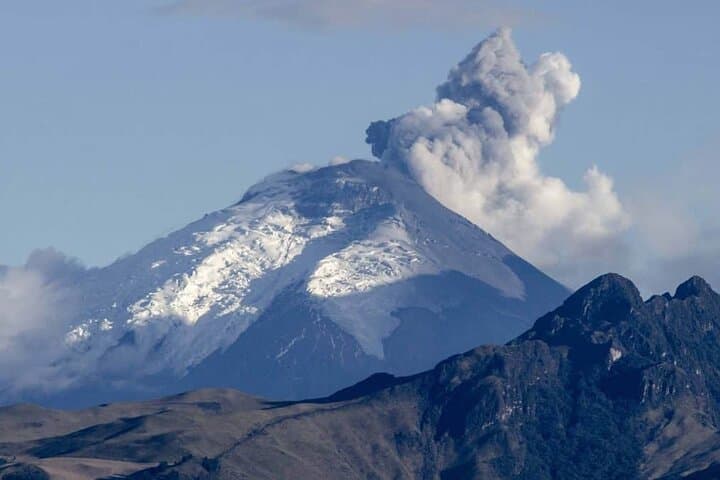
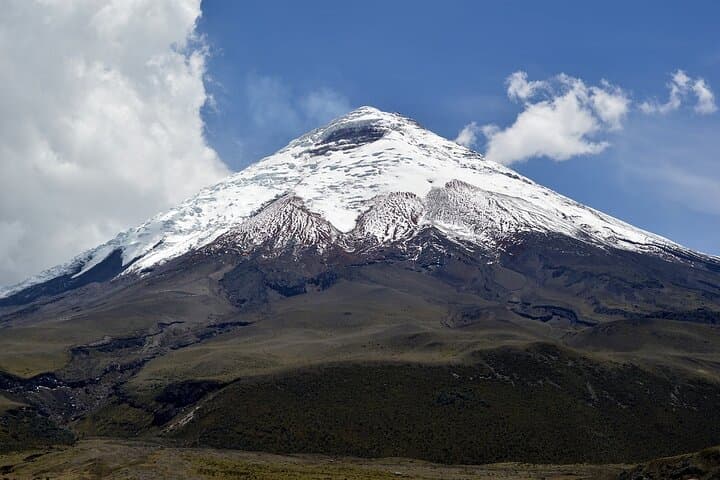
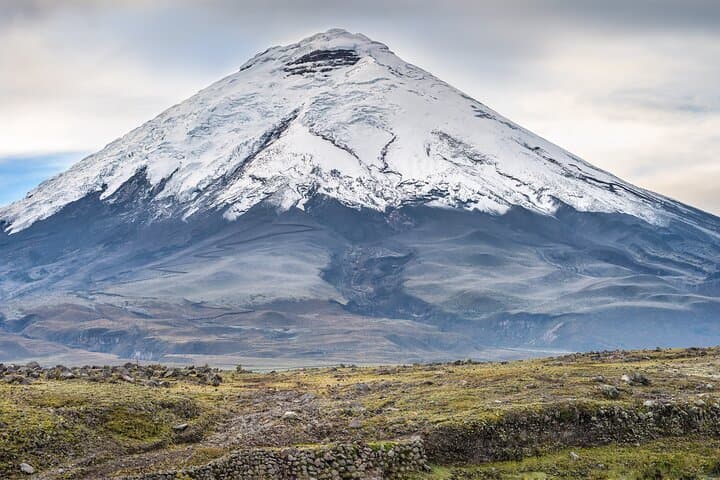
Cotopaxi is one of the highest active volcanoes on the planet and a dominant feature of Ecuador’s Avenue of the Volcanoes. Geologically young and frequently active, its conical profile sits on Pleistocene lava flows and hosts a glacier that has been shrinking with recent warming. The area carries Andean cultural ties—local communities historically traverse these páramo lands for grazing and ritual—and the national park protects fragile highland ecosystems.
This is a two-day, refuge-based climb: approach to the José Rivas hut at ~4,862 m on day one, then a midnight start for the summit at 5,897 m. Expect glacier travel, steep switchbacks, and 6–8 hours of upward travel on the summit push; guides fit crampons and teach ice-ax technique at the glacier edge. Weather can shift rapidly: high UV, strong winds, and whiteout potential are real factors.
Practical guidance: prioritize acclimatization, bring layered insulating shells, and plan for a slow, steady pace uphill. Hydrate and eat on a schedule to combat altitude. With competent guides, solid fitness, and respect for mountain hazards, the climb delivers stark glacial views and a raw, high-altitude accomplishment.
difficult.
2 days (summit day 6–10 hours).
Good aerobic fitness with experience hiking at altitude; should be comfortable walking 6–8 hours at slow uphill pace
From the refuge expect roughly 6–8 hours up to the summit and 2–3 hours to descend back to the refuge, depending on conditions and group pace.
Basic experience with steep hiking and comfort using crampons and an ice axe is strongly recommended; guided instruction is provided on most trips.
Summit altitude is 5,897 m; acute altitude sickness can occur—proper acclimatization, hydration, and conservative pacing are essential.
Guides typically supply technical equipment like crampons, axes, harnesses, and helmets, but you should bring personal layers and boots; confirm with the operator.
Cotopaxi has been active since the Holocene and figures in local Andean culture as a prominent landmark used in traditional grazing and ritual routes.
Cotopaxi National Park is protected; stay on designated trails, register with park authorities, and minimize waste—glacial retreat and fragile páramo soils are sensitive to foot traffic.
Peru Expeditions Tours operates guided outdoor trips and adventures with an emphasis on safety, stewardship, and memorable experiences.
A thin, cold light bleeds across the high Andean plain as climbers file out of the José Rivas refuge and into the night. The volcano’s flanks loom black and steep; the glacier ahead catches the headlamp cones and turns them into sharp, moving lines. By dawn the crater appears: wind-sculpted ice and a smoking rim framed by an expansive highland sky.
A thin, cold light bleeds across the high Andean plain as climbers file out of the José Rivas refuge and into the night. The volcano’s flanks loom black and steep; the glacier ahead catches the headlamp cones and turns them into sharp, moving lines. By dawn the crater appears: wind-sculpted ice and a smoking rim framed by an expansive highland sky.
Cotopaxi is one of the highest active volcanoes on the planet and a dominant feature of Ecuador’s Avenue of the Volcanoes. Geologically young and frequently active, its conical profile sits on Pleistocene lava flows and hosts a glacier that has been shrinking with recent warming. The area carries Andean cultural ties—local communities historically traverse these páramo lands for grazing and ritual—and the national park protects fragile highland ecosystems.
This is a two-day, refuge-based climb: approach to the José Rivas hut at ~4,862 m on day one, then a midnight start for the summit at 5,897 m. Expect glacier travel, steep switchbacks, and 6–8 hours of upward travel on the summit push; guides fit crampons and teach ice-ax technique at the glacier edge. Weather can shift rapidly: high UV, strong winds, and whiteout potential are real factors.
Practical guidance: prioritize acclimatization, bring layered insulating shells, and plan for a slow, steady pace uphill. Hydrate and eat on a schedule to combat altitude. With competent guides, solid fitness, and respect for mountain hazards, the climb delivers stark glacial views and a raw, high-altitude accomplishment.