THE ADVENTURE COLLECTIVE® · Independent discovery and booking for outdoor travel

A two-day, overnight high-altitude trek from Santiago to the 4,954 m summit of Cerro Leonera. Expect steep hikes, cold exposed ridgelines, and sweeping views of Cerro El Plomo and the central Andes.
A two-day, overnight high-altitude trek from Santiago to the 4,954 m summit of Cerro Leonera. Expect steep hikes, cold exposed ridgelines, and sweeping views of Cerro El Plomo and the central Andes.
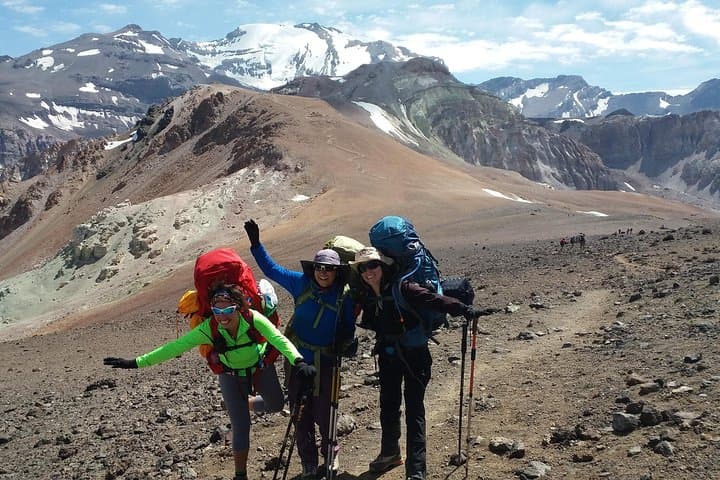
First light teases the ridge as a minivan peels away from Santiago and winds into the eastern valleys. The road climbs, the air thins, and Farellones slips behind you; by late morning you step off at roughly 2,970 m and begin a steady ascent toward a high, exposed camp. The tents sit like small flags on a rocky bench; on a clear night the Milky Way drifts over jagged volcanoes and glaciers, and the north face of the Cordillera throws cold wind down like a challenge.
Verified experiences and guided adventures in the surrounding area.
Operated by HikeChile · Farellones, Santiago Metropolitan Region
First light teases the ridge as a minivan peels away from Santiago and winds into the eastern valleys. The road climbs, the air thins, and Farellones slips behind you; by late morning you step off at roughly 2,970 m and begin a steady ascent toward a high, exposed camp. The tents sit like small flags on a rocky bench; on a clear night the Milky Way drifts over jagged volcanoes and glaciers, and the north face of the Cordillera throws cold wind down like a challenge.
Geologically the central Andes here are a stacked record of volcanic cones, glacial sculpting, and uplift—you’ll cross volcanic scree, compacted moraine, and patches of high-altitude tundra. Culturally the range has long been watched by Santiago’s mountain towns and, farther back, revered in Inca traditions; Cerro El Plomo, visible from the route, is a known sacred peak. Wildlife is spare but bold: condors glide thermals and rock-dwelling vizcachas watch from ledges.
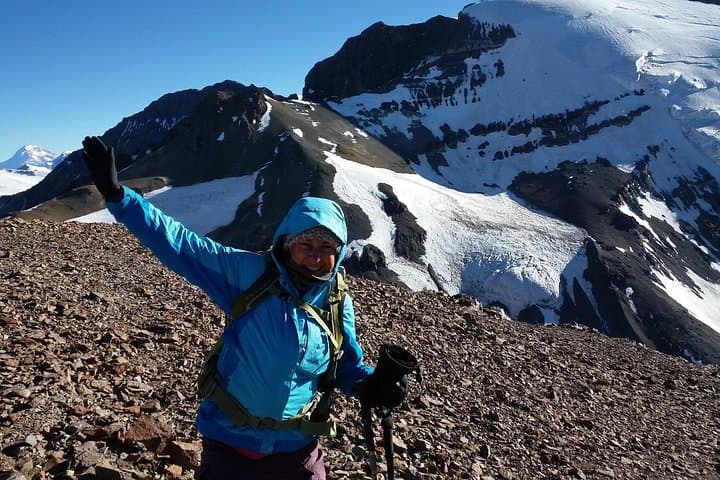
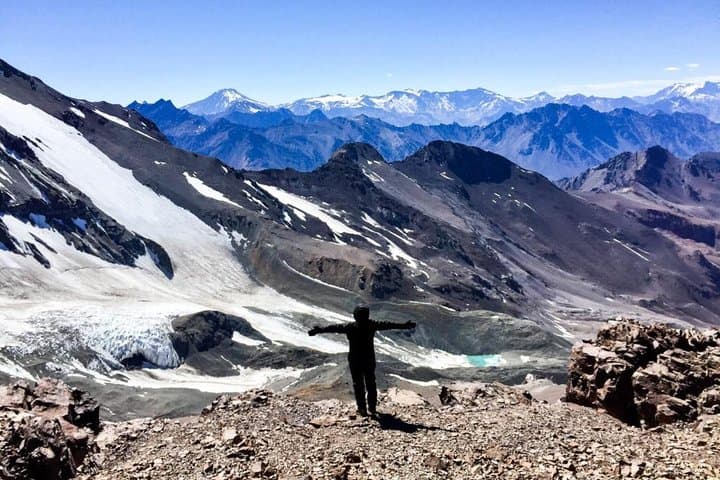
Practically: this is a two-day, non-technical but physically demanding high-altitude trek. Expect long, repetitive climbs, cold nights, strong sun, and gusty exposure on the summit ridge. Hydration, layered insulation, and deliberate pacing matter more than speed. Acclimatize in Santiago or the foothills for 24–48 hours if possible; carry a warm sleeping bag rated for near-freezing and practice hiking with your loaded pack. Leave early on summit day, follow your guide’s rhythm, and be prepared to turn back if altitude symptoms or weather escalate. When you stand on the 4,954 m summit, the Andes open in broad planes—stripped, powerful, and uncompromising.
challenging.
2 days.
Strong cardiovascular fitness and good hiking endurance; prior multi-day backpacking experience recommended
You should have solid aerobic fitness and experience with day hikes of 6–8 hours and at least one overnight in a loaded pack; altitude increases exertion significantly.
This itinerary is non-technical and does not require ropes or crampons in normal conditions, but guides may request additional gear if snow/ice is present.
Symptoms can appear above 3,000 m—headache, nausea, dizziness; follow the guide, hydrate, ascend slowly, and descend immediately if symptoms worsen.
No—tents and meals are included in the tour, but bring personal snacks, water bottles, and any preferred high-calorie items.
The peaks east of Santiago were part of pre-Columbian highland routes and later served as markers for colonial and modern mountaineering; nearby Cerro El Plomo is a recorded Inca ceremonial site.
High-traffic routes are vulnerable to erosion and human waste; stick to trails, pack out trash, and avoid camping on fragile vegetation to reduce impact.
HikeChile operates guided outdoor trips and adventures with an emphasis on safety, stewardship, and memorable experiences.
First light teases the ridge as a minivan peels away from Santiago and winds into the eastern valleys. The road climbs, the air thins, and Farellones slips behind you; by late morning you step off at roughly 2,970 m and begin a steady ascent toward a high, exposed camp. The tents sit like small flags on a rocky bench; on a clear night the Milky Way drifts over jagged volcanoes and glaciers, and the north face of the Cordillera throws cold wind down like a challenge.
First light teases the ridge as a minivan peels away from Santiago and winds into the eastern valleys. The road climbs, the air thins, and Farellones slips behind you; by late morning you step off at roughly 2,970 m and begin a steady ascent toward a high, exposed camp. The tents sit like small flags on a rocky bench; on a clear night the Milky Way drifts over jagged volcanoes and glaciers, and the north face of the Cordillera throws cold wind down like a challenge.
Geologically the central Andes here are a stacked record of volcanic cones, glacial sculpting, and uplift—you’ll cross volcanic scree, compacted moraine, and patches of high-altitude tundra. Culturally the range has long been watched by Santiago’s mountain towns and, farther back, revered in Inca traditions; Cerro El Plomo, visible from the route, is a known sacred peak. Wildlife is spare but bold: condors glide thermals and rock-dwelling vizcachas watch from ledges.
Practically: this is a two-day, non-technical but physically demanding high-altitude trek. Expect long, repetitive climbs, cold nights, strong sun, and gusty exposure on the summit ridge. Hydration, layered insulation, and deliberate pacing matter more than speed. Acclimatize in Santiago or the foothills for 24–48 hours if possible; carry a warm sleeping bag rated for near-freezing and practice hiking with your loaded pack. Leave early on summit day, follow your guide’s rhythm, and be prepared to turn back if altitude symptoms or weather escalate. When you stand on the 4,954 m summit, the Andes open in broad planes—stripped, powerful, and uncompromising.