THE ADVENTURE COLLECTIVE® · Independent discovery and booking for outdoor travel

Climb Cerro El Plomo on a focused three‑day guided expedition from Santiago: glacier crossings, a high base camp at 4,100 m and a summit at 5,424 m. This trip pairs professional logistics with demanding altitude hiking.
Climb Cerro El Plomo on a focused three‑day guided expedition from Santiago: glacier crossings, a high base camp at 4,100 m and a summit at 5,424 m. This trip pairs professional logistics with demanding altitude hiking.
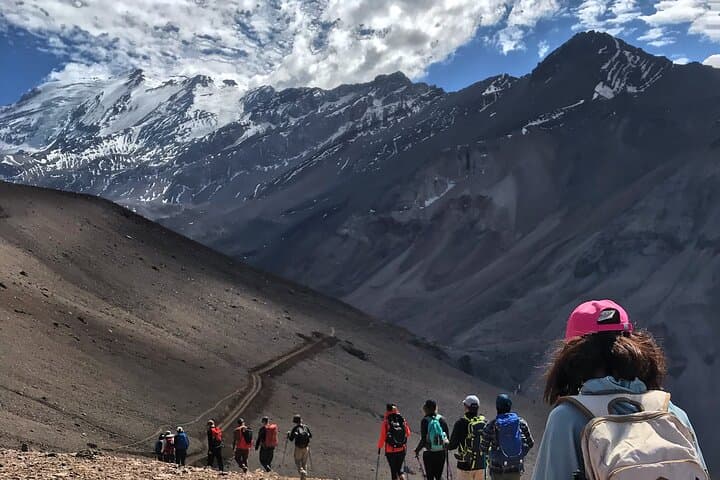
Dawn breaks over Santiago and the city’s haze gives way to a hard, blue light as the van climbs toward the Valley of El Cepo. By mid-morning the road narrows, scrub and boulder fields filling the window; by the second day you’re walking beneath the flanks of Cerro El Plomo, a 5,424‑meter peak that looms like a patient guardian above the valley.
Verified experiences and guided adventures in the surrounding area.
Operated by HikeChile · Santiago, Santiago Metropolitan Region
Dawn breaks over Santiago and the city’s haze gives way to a hard, blue light as the van climbs toward the Valley of El Cepo. By mid-morning the road narrows, scrub and boulder fields filling the window; by the second day you’re walking beneath the flanks of Cerro El Plomo, a 5,424‑meter peak that looms like a patient guardian above the valley.
Geology here is blunt and recent: uplifted granites and metamorphic rock heave skyward, carved by Pleistocene glaciers that still leave crevassed snowfields and steep moraine climbs. Culturally the mountain is significant — Inca ritual deposits, most famously the Plomo Mummy discovered in 1954, mark El Plomo as an apu, a guardian of the valley.
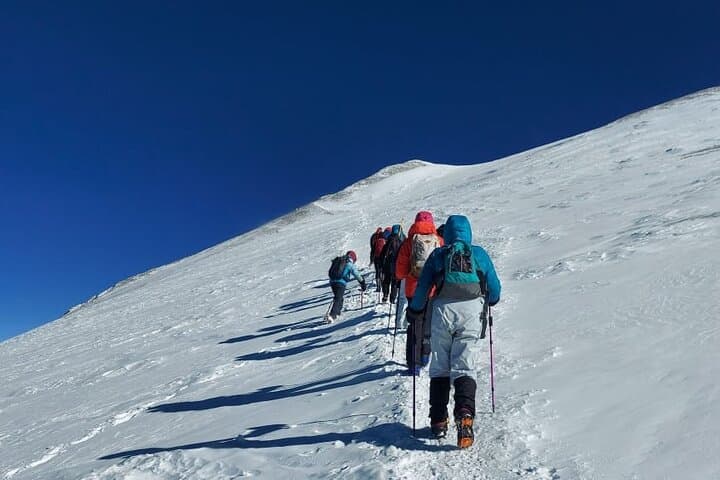
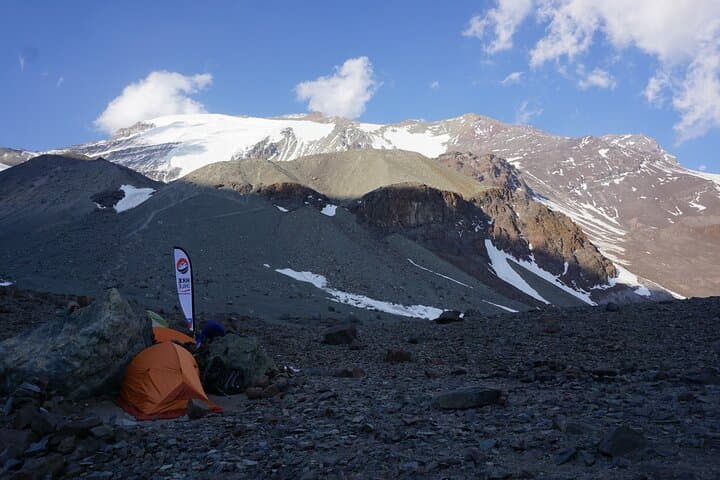
Expect three days of sustained alpine trekking: approach hikes to Federación camp at roughly 4,100 m, glacier crossings on compact snow, and a long summit day that tests altitude tolerance and stamina. Guides supply basecamp equipment and meals, but the routes demand good boots, headlamps for early starts, and respect for rapidly changing mountain weather. Rivers can push your pace; wind can strip warmth in minutes.
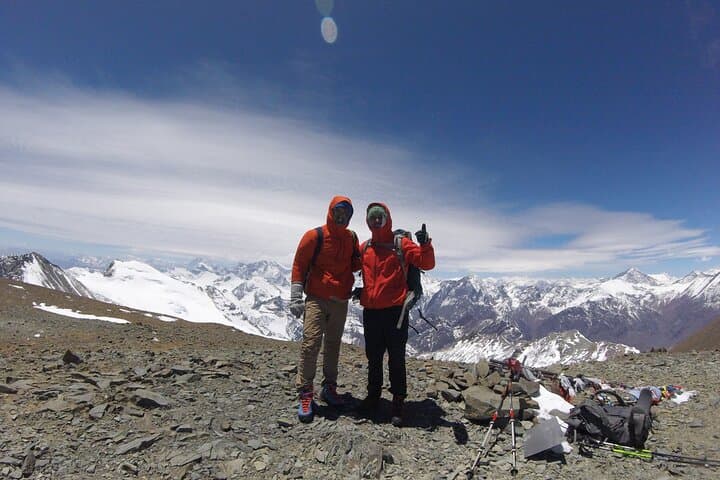
Practical notes: acclimatize in Santiago or nearby foothills before departure, plan for 2–4°C in camp (colder with wind), and carry layered clothing, sun protection and a basic first‑aid kit. Travelers with heart or severe back problems, or pregnant guests, should avoid the ascent. With preparation, the reward is clear — a panoramic Andes summit, glacier-ridged ridgelines, and a compact, high‑altitude experience reachable in a long weekend from Santiago.
challenging.
3 days.
Good cardiovascular fitness with prior high‑altitude trekking experience; able to hike 6–10 hours with pack at altitude.
The route is physically demanding due to sustained elevation gain and thin air; with a moderate training base most fit hikers on a guided trip can reach the summit.
Access is managed locally; guided operators typically handle route permissions and logistics, so confirm with your provider before travel.
This tour includes private transport from Santiago, three days of meals, base camp equipment and professional guides — confirm details on sleeping systems and technical gear rental.
People with serious heart conditions, recent spinal injuries, pregnant travelers, or those unable to tolerate sustained uphill hiking at high altitude should not attempt the expedition.
El Plomo has Inca ceremonial significance; the 1954 discovery of the Plomo Mummy confirmed ritual use of the summit by pre-Columbian peoples.
High‑altitude ecosystems are fragile—pack out all waste, avoid disturbing archaeological sites, and use established campsites to limit impact.
HikeChile operates guided outdoor trips and adventures with an emphasis on safety, stewardship, and memorable experiences.
Dawn breaks over Santiago and the city’s haze gives way to a hard, blue light as the van climbs toward the Valley of El Cepo. By mid-morning the road narrows, scrub and boulder fields filling the window; by the second day you’re walking beneath the flanks of Cerro El Plomo, a 5,424‑meter peak that looms like a patient guardian above the valley.
Dawn breaks over Santiago and the city’s haze gives way to a hard, blue light as the van climbs toward the Valley of El Cepo. By mid-morning the road narrows, scrub and boulder fields filling the window; by the second day you’re walking beneath the flanks of Cerro El Plomo, a 5,424‑meter peak that looms like a patient guardian above the valley.
Geology here is blunt and recent: uplifted granites and metamorphic rock heave skyward, carved by Pleistocene glaciers that still leave crevassed snowfields and steep moraine climbs. Culturally the mountain is significant — Inca ritual deposits, most famously the Plomo Mummy discovered in 1954, mark El Plomo as an apu, a guardian of the valley.
Expect three days of sustained alpine trekking: approach hikes to Federación camp at roughly 4,100 m, glacier crossings on compact snow, and a long summit day that tests altitude tolerance and stamina. Guides supply basecamp equipment and meals, but the routes demand good boots, headlamps for early starts, and respect for rapidly changing mountain weather. Rivers can push your pace; wind can strip warmth in minutes.
Practical notes: acclimatize in Santiago or nearby foothills before departure, plan for 2–4°C in camp (colder with wind), and carry layered clothing, sun protection and a basic first‑aid kit. Travelers with heart or severe back problems, or pregnant guests, should avoid the ascent. With preparation, the reward is clear — a panoramic Andes summit, glacier-ridged ridgelines, and a compact, high‑altitude experience reachable in a long weekend from Santiago.