THE ADVENTURE COLLECTIVE® · Independent discovery and booking for outdoor travel

Catch sunrise over Lake Batur on a guided hike up Mount Batur. This short but steep volcanic ascent rewards early risers with crater views, geothermal steam and a close look at Bali’s living geology.
Catch sunrise over Lake Batur on a guided hike up Mount Batur. This short but steep volcanic ascent rewards early risers with crater views, geothermal steam and a close look at Bali’s living geology.
Before dawn the caldera breathes light: headlamps are pinpricks on a slope that rises from steaming lake and tiled village roofs. The short path to Mount Batur’s rim pulls you through cooled lava, bamboo pockets and switchbacks until Bali’s eastern sky pushes color above the crater.
Verified experiences and guided adventures in the surrounding area.
Operated by Sunrise Jeep Tour · Kintamani, Bali
Before dawn the caldera breathes light: headlamps are pinpricks on a slope that rises from steaming lake and tiled village roofs. The short path to Mount Batur’s rim pulls you through cooled lava, bamboo pockets and switchbacks until Bali’s eastern sky pushes color above the crater.
Mount Batur (approx. 1,717 m) sits inside a wide caldera overlooking Lake Batur and the Kintamani plateau. The volcano’s eruptions and collapsing caldera sculpted the landscape visitors cross today; volcanic soils supported rice terraces and local temples where offerings still mark seasonal cycles. Guides from nearby communities lead most sunrise treks and share both geological context and cultural notes along the way.
Geology is obvious: black pumice, ash benches and fumaroles where steam rises from warm ground. The route is a mix of compacted dirt, loose volcanic scree and short steep pitches—expect 1–2 hours ascent depending on pace and footing. Sunrise from the rim rewards early starts with panoramic views of the lake, neighboring peaks and the pale silhouette of Bali’s eastern islands.
Practical guidance: start before first light (transfer and hiking together take about 3–5 hours total), wear shoes with good tread, bring a headlamp and a warm layer for summit wind, and carry 1.5 liters of water. Respect trail closures after heavy rain, keep distance from fumaroles, and book a licensed local guide — they handle route-finding, safety and local fees while directing tips to community livelihoods.
moderate.
3–5 hours.
Suitable for people comfortable with steady uphill walking and short steep sections; some prior hiking experience helpful.
Most groups take 1–2 hours to reach the rim and 30–60 minutes to descend; total outing including transfers typically runs 3–5 hours.
Yes—fit beginners can complete it with a steady pace, though loose scree and steep sections require care; guides make it accessible.
Admission is handled through local operations and a licensed guide is included in this ticket; guides navigate routes and local access fees.
Layered clothing—base layer, warm mid-layer and a windproof jacket—plus sturdy shoes and a headlamp for the approach.
Mount Batur’s active volcano and caldera shaped local settlement patterns; temples and agriculture on the Kintamani plateau reflect centuries of living with volcanic soils.
Stick to marked trails to limit erosion on fragile volcanic slopes; book local guides to support community-led stewardship and minimize off-trail impact.
Sunrise Jeep Tour operates guided outdoor trips and adventures with an emphasis on safety, stewardship, and memorable experiences.
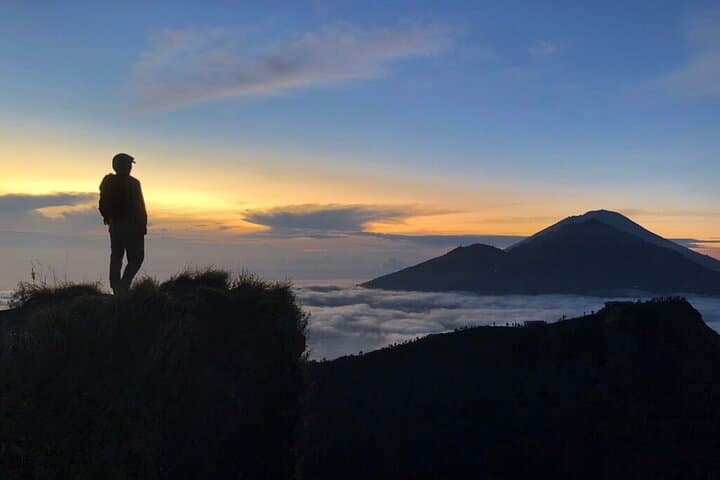
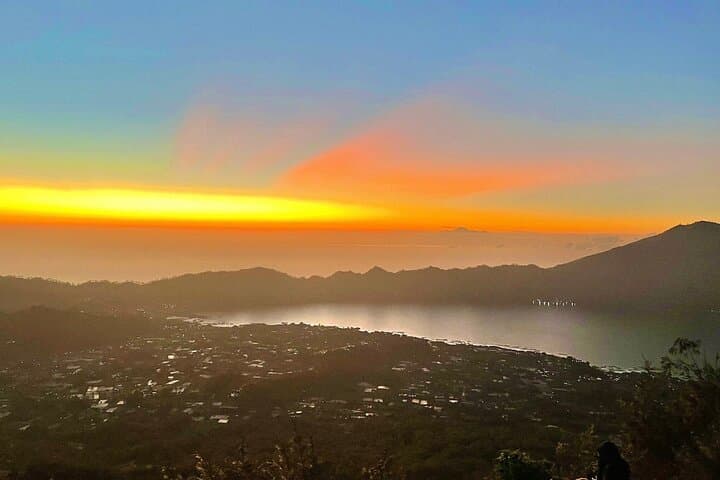
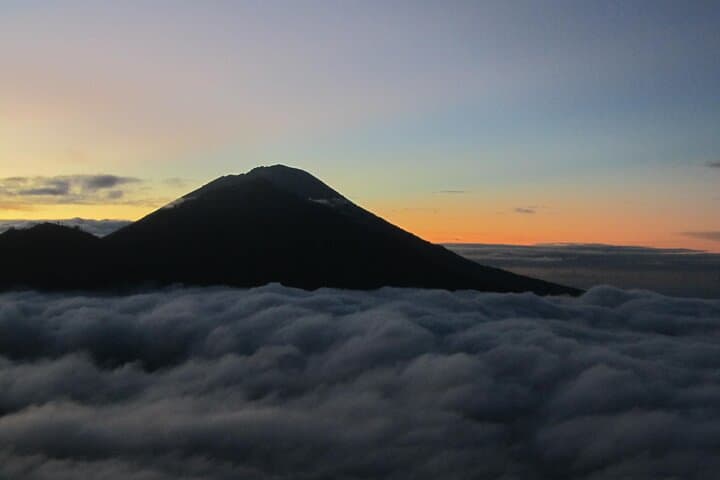
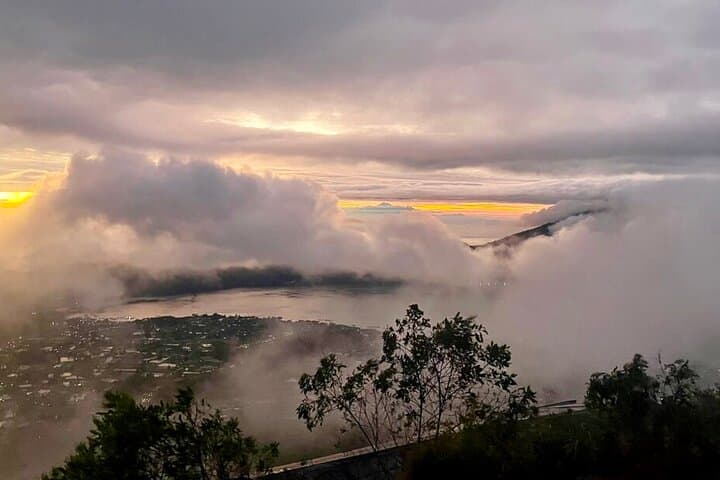
Before dawn the caldera breathes light: headlamps are pinpricks on a slope that rises from steaming lake and tiled village roofs. The short path to Mount Batur’s rim pulls you through cooled lava, bamboo pockets and switchbacks until Bali’s eastern sky pushes color above the crater.
Before dawn the caldera breathes light: headlamps are pinpricks on a slope that rises from steaming lake and tiled village roofs. The short path to Mount Batur’s rim pulls you through cooled lava, bamboo pockets and switchbacks until Bali’s eastern sky pushes color above the crater.
Mount Batur (approx. 1,717 m) sits inside a wide caldera overlooking Lake Batur and the Kintamani plateau. The volcano’s eruptions and collapsing caldera sculpted the landscape visitors cross today; volcanic soils supported rice terraces and local temples where offerings still mark seasonal cycles. Guides from nearby communities lead most sunrise treks and share both geological context and cultural notes along the way.
Geology is obvious: black pumice, ash benches and fumaroles where steam rises from warm ground. The route is a mix of compacted dirt, loose volcanic scree and short steep pitches—expect 1–2 hours ascent depending on pace and footing. Sunrise from the rim rewards early starts with panoramic views of the lake, neighboring peaks and the pale silhouette of Bali’s eastern islands.
Practical guidance: start before first light (transfer and hiking together take about 3–5 hours total), wear shoes with good tread, bring a headlamp and a warm layer for summit wind, and carry 1.5 liters of water. Respect trail closures after heavy rain, keep distance from fumaroles, and book a licensed local guide — they handle route-finding, safety and local fees while directing tips to community livelihoods.