THE ADVENTURE COLLECTIVE® · Independent discovery and booking for outdoor travel

Traverse a glaciated valley and forest trails of Eagle River to reach the thunder of Barbara Falls. This guided 4‑hour hike blends Crow Pass history with salmon streams, boreal forest ecology, and accessible alpine views.
Traverse a glaciated valley and forest trails of Eagle River to reach the thunder of Barbara Falls. This guided 4‑hour hike blends Crow Pass history with salmon streams, boreal forest ecology, and accessible alpine views.
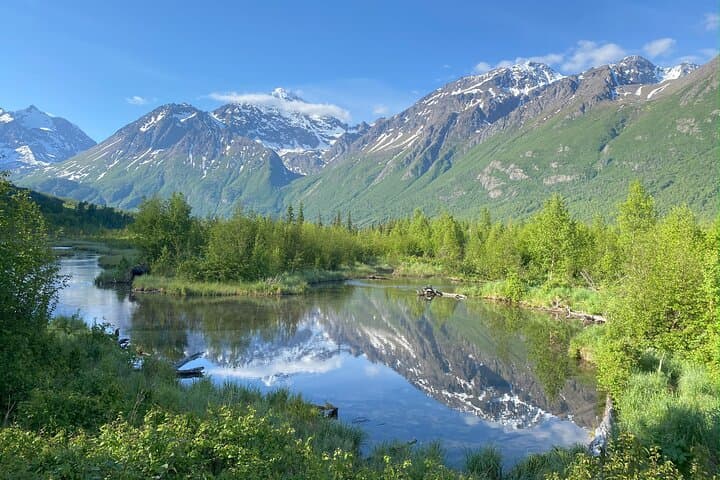
You step off the shuttle into an hour of spruce-shadowed road and the sharp scent of glacier-fed streams—Eagle River's valley opens like a moving map, its ridgelines folded by ice and time.
Verified experiences and guided adventures in the surrounding area.
Operated by Go Hike Alaska · Eagle River, Alaska
You step off the shuttle into an hour of spruce-shadowed road and the sharp scent of glacier-fed streams—Eagle River's valley opens like a moving map, its ridgelines folded by ice and time.
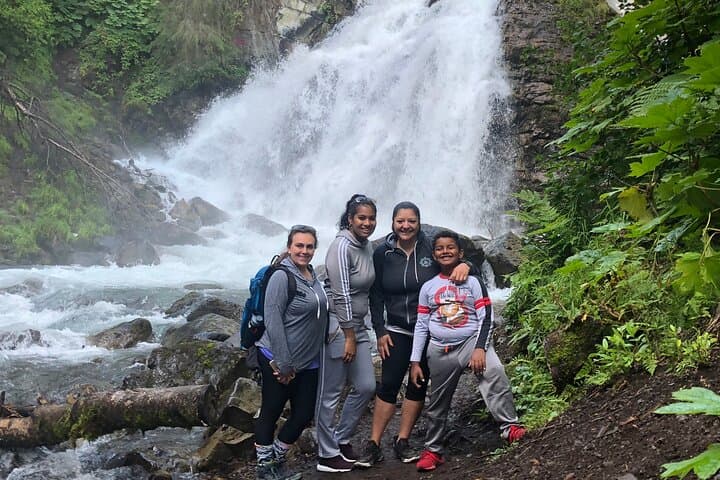
This guided outing follows sections of the historic Crow Pass/Iditarod corridor before angling into quieter forest tracks and the roar of Barbara Falls. Geologically the valley is a glaciated trough carved by repeated ice advances; talus fields and moraines tell the story while braided streams and salmon runs mark a living cycle. Culturally, these trails were used by trappers, miners and mushers; modern-day naturalists read the same terrain and point out edible berries, fungi and the shrubby devil's club.
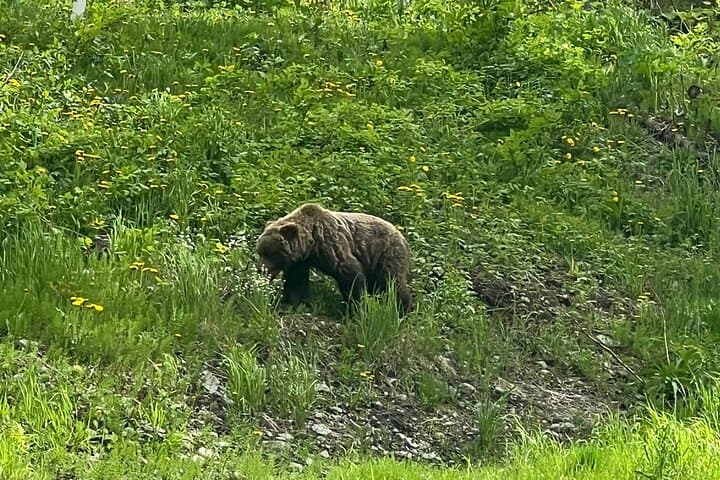
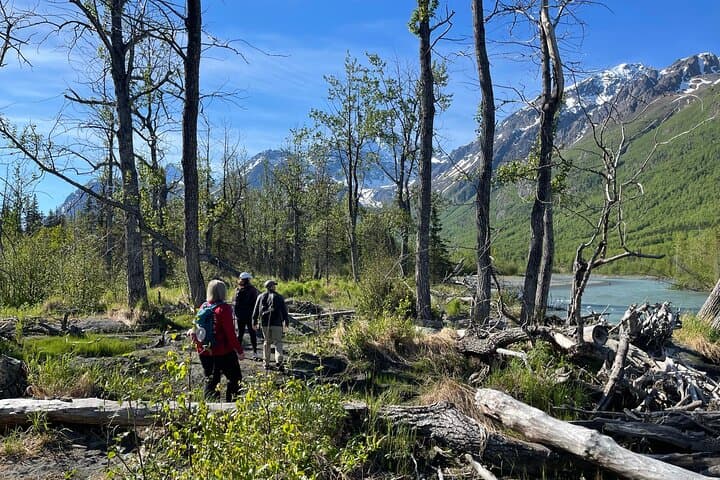
On trail you'll cross mixed spruce, birch and willow stands, skirt salmon spawning creeks that dare you to look closer, and climb short, steeper benches that reward you with wide views of snowfields and distant peaks. Wildlife sighting is possible—moose browse the lowlands, and black bears move through berry patches—so standard bear-aware behavior is emphasized.
Practically: the tour covers about 6 miles of walking on mostly well-defined singletrack and old trail grades with some steep pitches and rooty sections; expect roughly four hours of hiking plus transport time. Wear sturdy boots, layer for sudden weather shifts, and carry water (1–2 liters) and rain protection. Morning departures avoid afternoon wind and improve chances of quiet wildlife encounters. The route is family-friendly for fit hikers but not recommended for anyone with serious joint or cardiac issues.
moderate.
4–5 hours (includes transport).
Suitable for hikers in moderate condition who can handle ~6 miles on uneven terrain with some steep sections
The guided experience includes about four hours of hiking covering roughly 6 miles on mostly singletrack with short steep sections; it’s rated moderate.
Wildlife sightings are possible—moose, black bears, Dall sheep and many bird species inhabit the area—but sightings cannot be guaranteed.
Yes; the tour includes roughly one hour of round-trip transport from the meeting point in Anchorage inside the total tour time.
Facilities are minimal; plan to use facilities before departure and follow leave-no-trace protocols for any on-trail needs.
Sections of this network intersect the historic Crow Pass/Iditarod corridor used by dog teams and early trail users; mining-era routes and native travel paths shaped modern alignments.
Chugach State Park is managed for multiple uses—stay on trail to protect fragile alpine flora, pack out waste, and follow seasonal closures to protect spawning salmon and sensitive wildlife.
Go Hike Alaska operates guided outdoor trips and adventures with an emphasis on safety, stewardship, and memorable experiences.
You step off the shuttle into an hour of spruce-shadowed road and the sharp scent of glacier-fed streams—Eagle River's valley opens like a moving map, its ridgelines folded by ice and time.
You step off the shuttle into an hour of spruce-shadowed road and the sharp scent of glacier-fed streams—Eagle River's valley opens like a moving map, its ridgelines folded by ice and time.
This guided outing follows sections of the historic Crow Pass/Iditarod corridor before angling into quieter forest tracks and the roar of Barbara Falls. Geologically the valley is a glaciated trough carved by repeated ice advances; talus fields and moraines tell the story while braided streams and salmon runs mark a living cycle. Culturally, these trails were used by trappers, miners and mushers; modern-day naturalists read the same terrain and point out edible berries, fungi and the shrubby devil's club.
On trail you'll cross mixed spruce, birch and willow stands, skirt salmon spawning creeks that dare you to look closer, and climb short, steeper benches that reward you with wide views of snowfields and distant peaks. Wildlife sighting is possible—moose browse the lowlands, and black bears move through berry patches—so standard bear-aware behavior is emphasized.
Practically: the tour covers about 6 miles of walking on mostly well-defined singletrack and old trail grades with some steep pitches and rooty sections; expect roughly four hours of hiking plus transport time. Wear sturdy boots, layer for sudden weather shifts, and carry water (1–2 liters) and rain protection. Morning departures avoid afternoon wind and improve chances of quiet wildlife encounters. The route is family-friendly for fit hikers but not recommended for anyone with serious joint or cardiac issues.