THE ADVENTURE COLLECTIVE® · Independent discovery and booking for outdoor travel

Drive along Ersfjord and Grøtfjord from Tromsø on a 4‑hour summer road trip that pairs fjord sightseeing with hands‑on citizen science. Expect short walks, homemade picnic lunch, and guided data collection that supports coastal research.
Drive along Ersfjord and Grøtfjord from Tromsø on a 4‑hour summer road trip that pairs fjord sightseeing with hands‑on citizen science. Expect short walks, homemade picnic lunch, and guided data collection that supports coastal research.
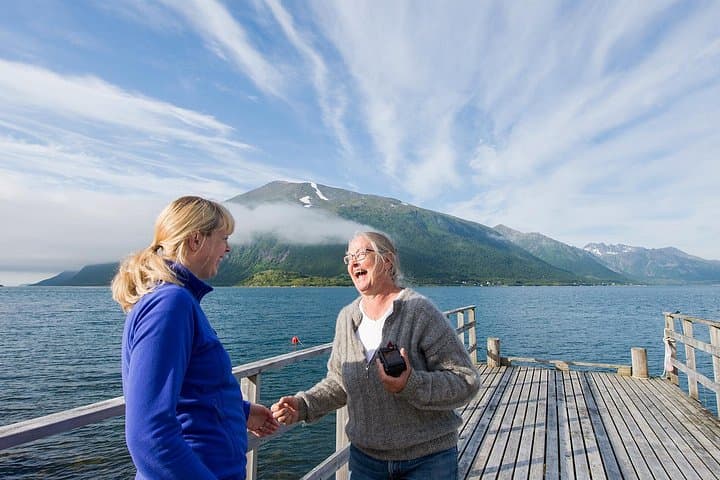
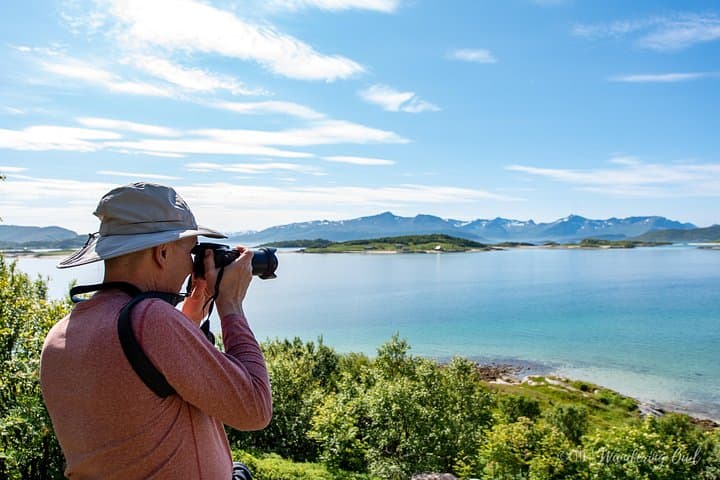
A low-slung minivan pulls away from the Scandic Ishavshotel and the road widens to reveal water on both sides. Salt spray and Arctic light alternate as the coast unfolds: serrated mountains drop straight into fjords, small farms cling to sheltered bays, and the road threads through pines and birch that seethe with mid-summer life. Photographers lean forward; volunteers clip into a brief protocol to record observations — this is tourism that feeds research.
Verified experiences and guided adventures in the surrounding area.
Operated by Wandering Owl · Tromsø, Troms og Finnmark
A low-slung minivan pulls away from the Scandic Ishavshotel and the road widens to reveal water on both sides. Salt spray and Arctic light alternate as the coast unfolds: serrated mountains drop straight into fjords, small farms cling to sheltered bays, and the road threads through pines and birch that seethe with mid-summer life. Photographers lean forward; volunteers clip into a brief protocol to record observations — this is tourism that feeds research.
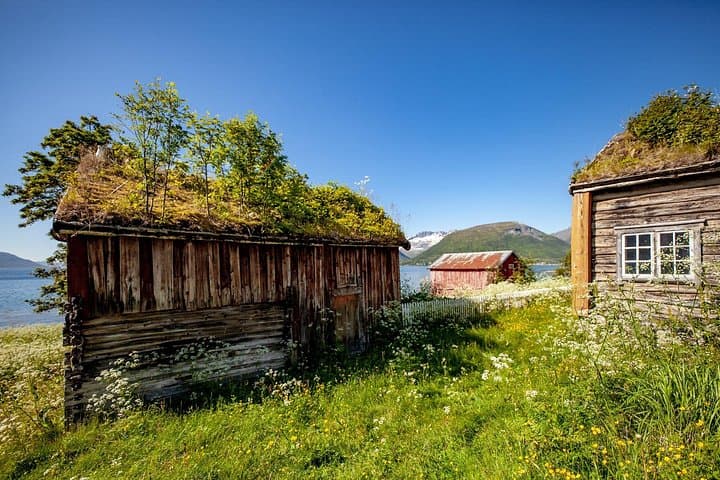
The route follows classic Tromsø coastal geology: glacially carved fjords, moraines, and volcanic bedrock exposed where ice scoured the valleys. Ersfjord and Grøtfjord have long supported fisheries and seasonal grazing; Sami presence and Norwegian coastal culture shaped settlement patterns here, and cabins and boathouses still punctuate the shoreline.
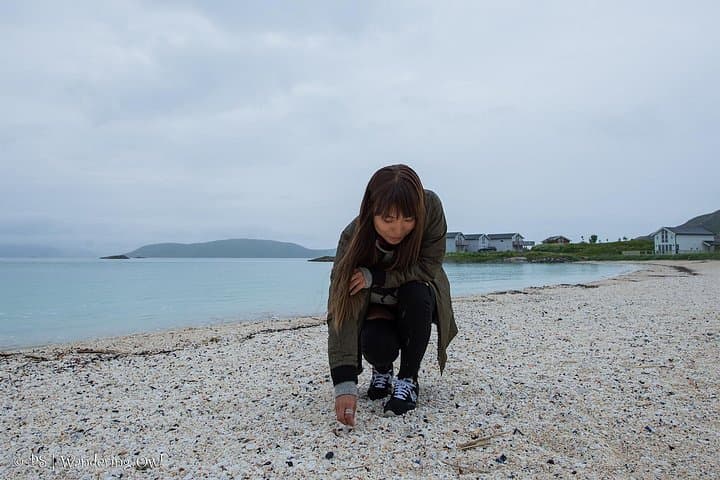
Expect a mix of slow drives, short walks and open landscapes where wind and weather change quickly. Guides supply equipment for the citizen-science project — you’ll log simple data points and take photos that help researchers track species and phenology. Lunch is a homemade picnic with vegetarian options, often taken at a scenic pullout with sweeping water views.
Practical tips: dress in windproof layers and waterproof footwear, bring a charged camera and spare batteries, and plan for limited toilet facilities. The tour runs in most weather; cancellations can occur if minimum numbers aren’t met. For travelers who want accessible outdoor time with a purpose, this four‑hour fjord loop pairs easy terrain with meaningful observation — it’s scenic, scientifically useful, and very much of the Arctic coast.
easy.
4 hours.
Suitable for most fitness levels; includes short, gentle walks from vehicle parking spots.
It’s classified as easy — mostly driving with short, low‑effort walks suitable for most people.
Facilities are limited; there will be a gas station stop, otherwise stops use natural areas with no built structures.
Participants use provided equipment to record simple observations and photos that are uploaded to research databases after the tour.
The tour operates in most weather but may be canceled if minimum participants aren’t met; dress appropriately and follow guide instructions.
The coastal fjords around Tromsø have long been used for fishing and seasonal grazing; Sami and Norwegian coastal communities shaped settlement and maritime traditions here.
The citizen science data helps local researchers monitor species and phenology; visitors should follow Leave No Trace principles and limit disturbance to shorelines and wildlife.
Wandering Owl operates guided outdoor trips and adventures with an emphasis on safety, stewardship, and memorable experiences.
A low-slung minivan pulls away from the Scandic Ishavshotel and the road widens to reveal water on both sides. Salt spray and Arctic light alternate as the coast unfolds: serrated mountains drop straight into fjords, small farms cling to sheltered bays, and the road threads through pines and birch that seethe with mid-summer life. Photographers lean forward; volunteers clip into a brief protocol to record observations — this is tourism that feeds research.
A low-slung minivan pulls away from the Scandic Ishavshotel and the road widens to reveal water on both sides. Salt spray and Arctic light alternate as the coast unfolds: serrated mountains drop straight into fjords, small farms cling to sheltered bays, and the road threads through pines and birch that seethe with mid-summer life. Photographers lean forward; volunteers clip into a brief protocol to record observations — this is tourism that feeds research.
The route follows classic Tromsø coastal geology: glacially carved fjords, moraines, and volcanic bedrock exposed where ice scoured the valleys. Ersfjord and Grøtfjord have long supported fisheries and seasonal grazing; Sami presence and Norwegian coastal culture shaped settlement patterns here, and cabins and boathouses still punctuate the shoreline.
Expect a mix of slow drives, short walks and open landscapes where wind and weather change quickly. Guides supply equipment for the citizen-science project — you’ll log simple data points and take photos that help researchers track species and phenology. Lunch is a homemade picnic with vegetarian options, often taken at a scenic pullout with sweeping water views.
Practical tips: dress in windproof layers and waterproof footwear, bring a charged camera and spare batteries, and plan for limited toilet facilities. The tour runs in most weather; cancellations can occur if minimum numbers aren’t met. For travelers who want accessible outdoor time with a purpose, this four‑hour fjord loop pairs easy terrain with meaningful observation — it’s scenic, scientifically useful, and very much of the Arctic coast.