THE ADVENTURE COLLECTIVE® · Independent discovery and booking for outdoor travel

Boat through the cathedral-high walls of Sumidero Canyon, then stroll the Mudéjar fountain and portals of Chiapa de Corzo. This six-hour loop combines dramatic geology, riverside wildlife, and a taste of colonial Chiapas.
Boat through the cathedral-high walls of Sumidero Canyon, then stroll the Mudéjar fountain and portals of Chiapa de Corzo. This six-hour loop combines dramatic geology, riverside wildlife, and a taste of colonial Chiapas.
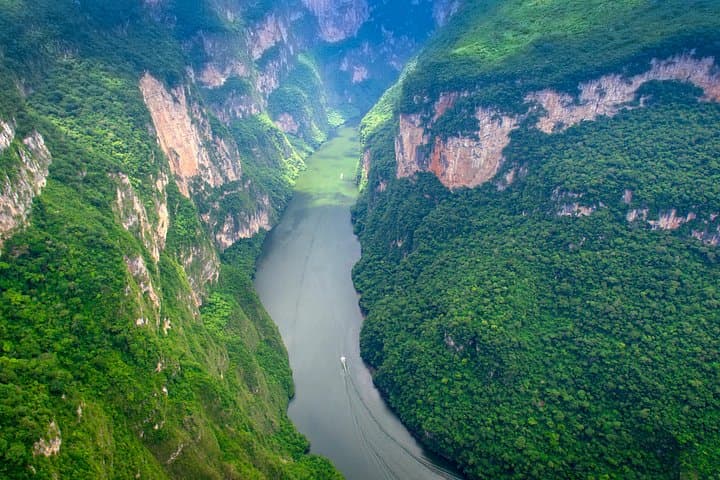
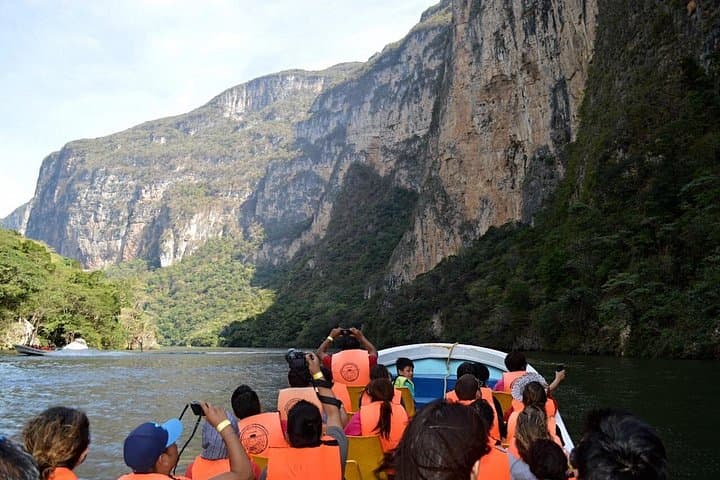
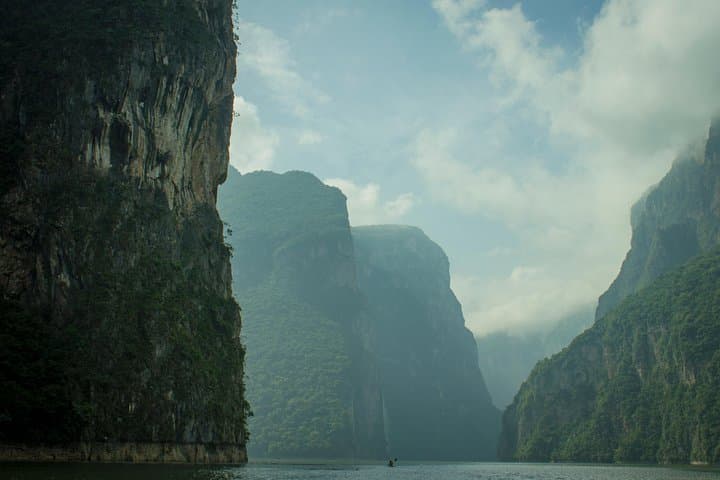
You step off the bus and the river announces itself first—a low, steady rush and the smell of wet stone. The Grijalva threads between cliff faces that rise like cut granite, and the boat nosing into Sumidero Canyon feels like entering a long, living corridor of rock and green. Walls climb beyond a thousand meters; herons and kingfishers track the wake.
Verified experiences and guided adventures in the surrounding area.
Operated by CEPSU Turismo · Chiapa de Corzo, Chiapas
You step off the bus and the river announces itself first—a low, steady rush and the smell of wet stone. The Grijalva threads between cliff faces that rise like cut granite, and the boat nosing into Sumidero Canyon feels like entering a long, living corridor of rock and green. Walls climb beyond a thousand meters; herons and kingfishers track the wake.
This stretch of Chiapas carries both natural and human history. Sumidero’s cliffs formed when tectonic forces and river erosion carved deep gorges through volcanic and sedimentary layers over millions of years. Downriver, the colonial plaza of Chiapa de Corzo showcases Mudéjar-influenced fountains and the Church of Santo Domingo—small-town life that has long been tied to the waterway.
On the water you’ll see geological bands, caves, and narrows where currents gather; the canyon’s microclimates allow ferns and palms to press against basalt shelves. Local boat pilots often point out how the river sustained indigenous settlements and later became a transport corridor for cacao and coffee.
Practical side: the typical tour lasts about six hours with pickups from San Cristóbal de las Casas or Tuxtla. Boats are sheltered but bring layers—mornings can be cool, midday humid—and sunscreen: reflections off the river intensify sun exposure. Restroom stops and a short town visit in Chiapa de Corzo are part of most itineraries; bring cash for snacks or crafts. Aim for morning departures for the best light and calmer water, and be ready for close-up wildlife viewing—binoculars make a difference.
easy.
6 hours.
Suitable for most fitness levels; involves short walks in town and boarding a low-deck boat
Boat portions vary but most tours include a 2–3 hour river cruise within a roughly six-hour total excursion.
Yes—tours are generally family-friendly; infants may be required to sit on an adult’s lap and life jackets are provided.
Many operators offer pickup from San Cristóbal de las Casas; check meeting and pickup details when booking.
There are restroom stops and a scheduled free period in Chiapa de Corzo where you can buy snacks, meals, and local crafts.
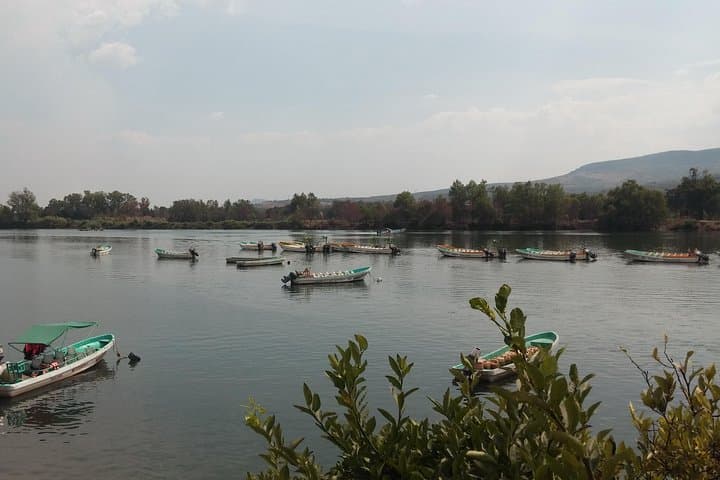
The Grijalva River has been a transportation and cultural lifeline for indigenous and colonial communities; Chiapa de Corzo preserves colonial-era fountains and plaza traditions.
Sumidero Canyon is a protected national park—stay on boats, avoid littering, and support local guides who adhere to park regulations to minimize impact.
CEPSU Turismo operates guided outdoor trips and adventures with an emphasis on safety, stewardship, and memorable experiences.
You step off the bus and the river announces itself first—a low, steady rush and the smell of wet stone. The Grijalva threads between cliff faces that rise like cut granite, and the boat nosing into Sumidero Canyon feels like entering a long, living corridor of rock and green. Walls climb beyond a thousand meters; herons and kingfishers track the wake.
You step off the bus and the river announces itself first—a low, steady rush and the smell of wet stone. The Grijalva threads between cliff faces that rise like cut granite, and the boat nosing into Sumidero Canyon feels like entering a long, living corridor of rock and green. Walls climb beyond a thousand meters; herons and kingfishers track the wake.
This stretch of Chiapas carries both natural and human history. Sumidero’s cliffs formed when tectonic forces and river erosion carved deep gorges through volcanic and sedimentary layers over millions of years. Downriver, the colonial plaza of Chiapa de Corzo showcases Mudéjar-influenced fountains and the Church of Santo Domingo—small-town life that has long been tied to the waterway.
On the water you’ll see geological bands, caves, and narrows where currents gather; the canyon’s microclimates allow ferns and palms to press against basalt shelves. Local boat pilots often point out how the river sustained indigenous settlements and later became a transport corridor for cacao and coffee.
Practical side: the typical tour lasts about six hours with pickups from San Cristóbal de las Casas or Tuxtla. Boats are sheltered but bring layers—mornings can be cool, midday humid—and sunscreen: reflections off the river intensify sun exposure. Restroom stops and a short town visit in Chiapa de Corzo are part of most itineraries; bring cash for snacks or crafts. Aim for morning departures for the best light and calmer water, and be ready for close-up wildlife viewing—binoculars make a difference.