THE ADVENTURE COLLECTIVE® · Independent discovery and booking for outdoor travel

Walk through one of the largest páramos on earth and learn why its frailejones matter for Colombia’s water supply. This guided day hike from Bogotá pairs high‑altitude scenery with cultural stories and a visit to a local family.
Walk through one of the largest páramos on earth and learn why its frailejones matter for Colombia’s water supply. This guided day hike from Bogotá pairs high‑altitude scenery with cultural stories and a visit to a local family.
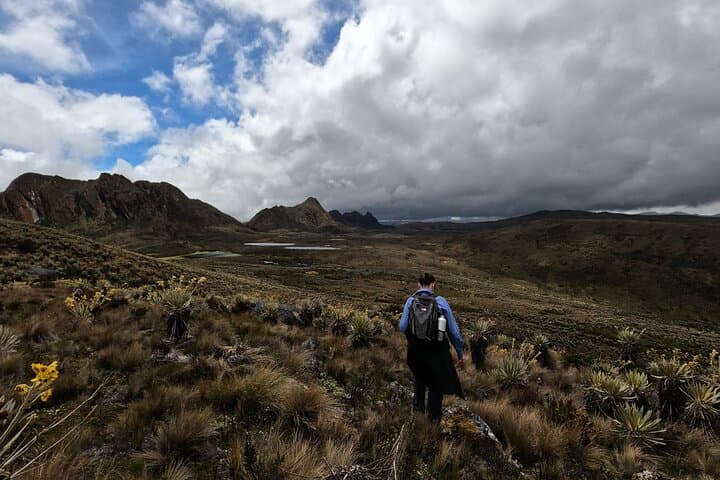
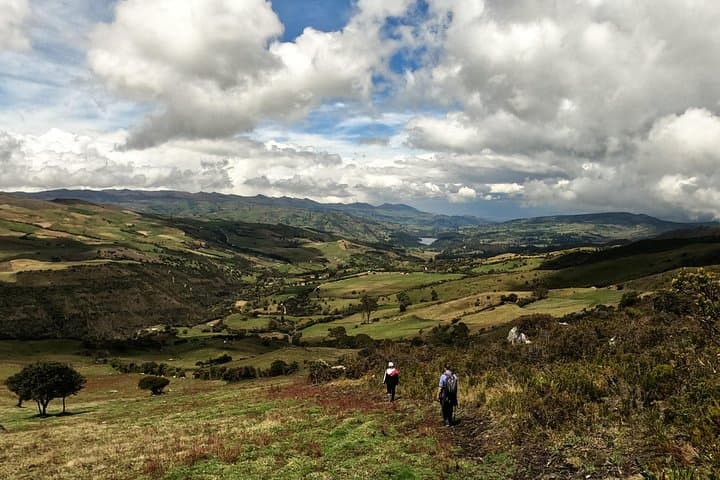
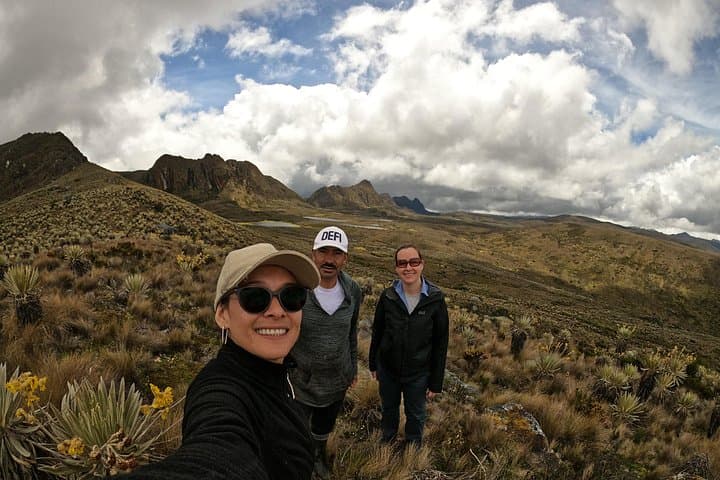
A high, open wind moves across the grasslands and the frailejones turn like sentries as you crest the ridgeline — that first view makes clear why Sumapaz is called the land of water. The trail begins after a two‑hour drive south from Bogotá; a homemade breakfast at a local home fills you for the climb, then you step into a landscape shaped by cold, wind and slow geology.
Verified experiences and guided adventures in the surrounding area.
Operated by Local Tours Colombia · Sumapaz (south of Bogotá), Cundinamarca
A high, open wind moves across the grasslands and the frailejones turn like sentries as you crest the ridgeline — that first view makes clear why Sumapaz is called the land of water. The trail begins after a two‑hour drive south from Bogotá; a homemade breakfast at a local home fills you for the climb, then you step into a landscape shaped by cold, wind and slow geology.
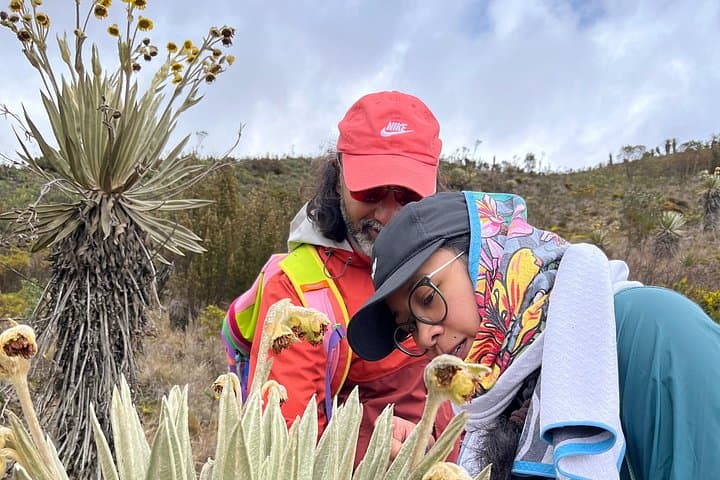
Sumapaz is the largest páramo in the world and one of Colombia’s most important high‑mountain ecosystems. Glacial sculpting and millennia of peat formation created the spongy soils and hollows that hold and slowly release water to Bogotá and surrounding valleys. The frailejón, with its fuzzy stem and clustered rosette, is the functional icon here — a plant engineered to harvest mist and feed springs.
Culturally, the area is threaded with campesino knowledge and legends about sacred gaps and water guardians; many hikes include stories and a visit to a family that benefits from guiding. Expect open tussock fields, rocky boot‑paths, and sudden wind that pushes you forward as if the páramo has intent.
Practical guidance: the walking portion is roughly 3 hours round trip with moderate to steep sections and exposure to wind and sun. Carry at least 2 liters of water, layered clothing for rapid temperature swings, sun protection, and sturdy hiking boots with good ankle support. Start early to avoid afternoon weather shifts; respect fragile vegetation by staying on trail and packing out all waste.
challenging.
6–9 hours.
Expect sustained uphill segments; be in good aerobic condition and comfortable with high‑altitude walking.
The guided walking portion is about 3 hours round trip with variable incline; the full excursion, including transport and meals, is roughly 6–9 hours.
You don’t need technical skills, but you should be fit for sustained uphill walking and able to handle high altitude conditions.
The route reaches páramo elevations typically above 3,500 meters (11,500 ft), where weather and breathing can be affected by the thin air.
The tour includes a homemade breakfast and a snack; bring extra snacks if you have higher energy needs.
Sumapaz has long been managed by rural communities whose water‑secure practices and folklore recognize the páramo’s role in supplying major river systems to Bogotá.
Páramos are fragile water regulators; avoid off‑trail walking, don’t collect plants, and support local guides who practice low‑impact tourism.
Local Tours Colombia operates guided outdoor trips and adventures with an emphasis on safety, stewardship, and memorable experiences.
A high, open wind moves across the grasslands and the frailejones turn like sentries as you crest the ridgeline — that first view makes clear why Sumapaz is called the land of water. The trail begins after a two‑hour drive south from Bogotá; a homemade breakfast at a local home fills you for the climb, then you step into a landscape shaped by cold, wind and slow geology.
A high, open wind moves across the grasslands and the frailejones turn like sentries as you crest the ridgeline — that first view makes clear why Sumapaz is called the land of water. The trail begins after a two‑hour drive south from Bogotá; a homemade breakfast at a local home fills you for the climb, then you step into a landscape shaped by cold, wind and slow geology.
Sumapaz is the largest páramo in the world and one of Colombia’s most important high‑mountain ecosystems. Glacial sculpting and millennia of peat formation created the spongy soils and hollows that hold and slowly release water to Bogotá and surrounding valleys. The frailejón, with its fuzzy stem and clustered rosette, is the functional icon here — a plant engineered to harvest mist and feed springs.
Culturally, the area is threaded with campesino knowledge and legends about sacred gaps and water guardians; many hikes include stories and a visit to a family that benefits from guiding. Expect open tussock fields, rocky boot‑paths, and sudden wind that pushes you forward as if the páramo has intent.
Practical guidance: the walking portion is roughly 3 hours round trip with moderate to steep sections and exposure to wind and sun. Carry at least 2 liters of water, layered clothing for rapid temperature swings, sun protection, and sturdy hiking boots with good ankle support. Start early to avoid afternoon weather shifts; respect fragile vegetation by staying on trail and packing out all waste.