THE ADVENTURE COLLECTIVE® · Independent discovery and booking for outdoor travel

Explore Sultanahmet’s layered history in a compact private tour: descend into the Basilica Cistern, admire the Blue Mosque’s tiles, stroll the Hippodrome, and browse the Grand Bazaar. This half-day route mixes underground mystery with open-air monuments and practical tips to move through the crowds.
Explore Sultanahmet’s layered history in a compact private tour: descend into the Basilica Cistern, admire the Blue Mosque’s tiles, stroll the Hippodrome, and browse the Grand Bazaar. This half-day route mixes underground mystery with open-air monuments and practical tips to move through the crowds.
Stepping into Sultanahmet feels like walking through layers of time: sun on blue-tiled domes, the hush of an underground reservoir where columns rise from still water, and the narrow alleys of a bazaar that keeps calling you forward. The Basilica Cistern’s vaulted ceiling frames reflected columns; light slips between them and the Medusa heads watch the water below. Outside, the Blue Mosque spreads its six minarets across the sky while the ancient Hippodrome stones bear fragments of empires.
Verified experiences and guided adventures in the surrounding area.
Operated by Tour Guide Nuri Erbay · Istanbul, Istanbul
Stepping into Sultanahmet feels like walking through layers of time: sun on blue-tiled domes, the hush of an underground reservoir where columns rise from still water, and the narrow alleys of a bazaar that keeps calling you forward. The Basilica Cistern’s vaulted ceiling frames reflected columns; light slips between them and the Medusa heads watch the water below. Outside, the Blue Mosque spreads its six minarets across the sky while the ancient Hippodrome stones bear fragments of empires.
This route threads Byzantine engineering and Ottoman civic life. The Basilica Cistern (raised in the 6th century under Justinian) and the nearby Theodosius Cistern (from the era of Theodosius II) illustrate how water shaped the city’s growth; the Blue Mosque’s Iznik tiles and the Ottoman-era markets tell the later cultural story. The Grand Bazaar offers an immediate lesson in craft—rugs, leather, and hand-painted tiles—where bargaining remains part commerce, part social ritual.
Practical edge: admission to museums and cisterns is typically not included—buy tickets at the museum office and your licensed guide can accelerate the process. Plan 2–5 hours depending on stops; wear shoes for uneven cobbles and expect damp, cool air underground. Respect mosque dress codes (shoulders covered; women should carry a scarf). Mornings reduce heat and crowds; keep a water bottle and small change for quick purchases. With a local guide you’ll move efficiently through lines, learn the architectural vocabulary, and leave with a clearer sense of how Istanbul’s layers fit together.
easy.
2–5 hours.
Suitable for travelers in average walking condition; requires standing, short walks on uneven ground, and some steps.
No—museum and cistern admissions are not included; the guide will escort you to the ticket office so you can buy entry without long waits.
The tour is flexible and runs approximately 2–5 hours depending on how long you spend at each site and any shopping stops.
This itinerary views Hagia Sophia from the outside; access inside may require separate timing or tickets depending on operating status and visitor rules.
Strollers can be used on many streets, but the cistern and some historic sites have steps and uneven surfaces—accessibility inside cisterns is limited.
Sultanahmet sits at the heart of Byzantium and later Ottoman Istanbul; cisterns date to the 5th–6th centuries while nearby mosques and markets grew under Ottoman patronage.
Historic sites are sensitive to heavy foot traffic—avoid touching frescoes and columns, use local guides and vendors, and follow signage to protect fragile surfaces.
Tour Guide Nuri Erbay operates guided outdoor trips and adventures with an emphasis on safety, stewardship, and memorable experiences.
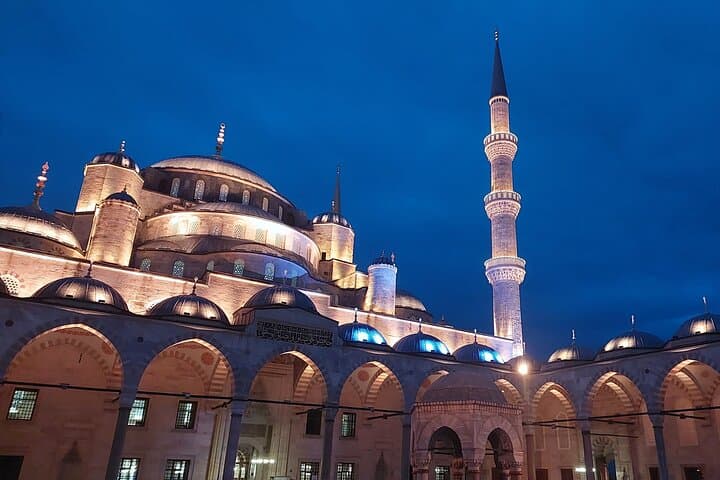
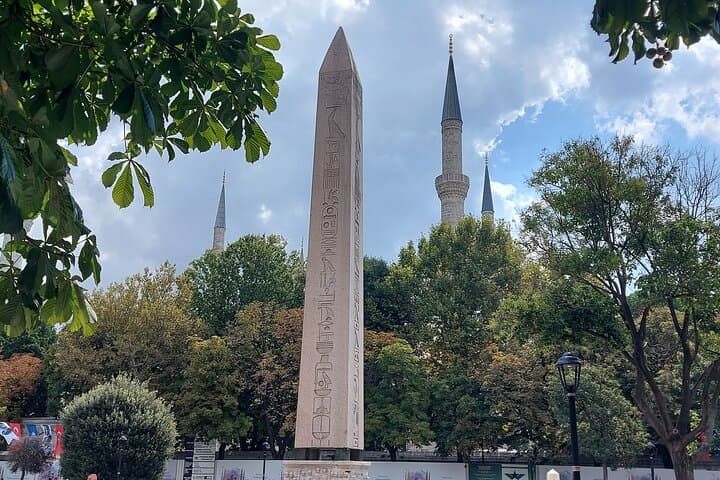

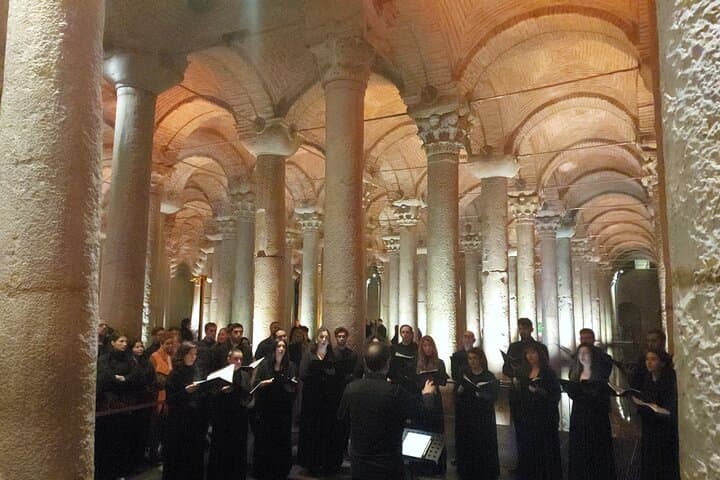
Stepping into Sultanahmet feels like walking through layers of time: sun on blue-tiled domes, the hush of an underground reservoir where columns rise from still water, and the narrow alleys of a bazaar that keeps calling you forward. The Basilica Cistern’s vaulted ceiling frames reflected columns; light slips between them and the Medusa heads watch the water below. Outside, the Blue Mosque spreads its six minarets across the sky while the ancient Hippodrome stones bear fragments of empires.
Stepping into Sultanahmet feels like walking through layers of time: sun on blue-tiled domes, the hush of an underground reservoir where columns rise from still water, and the narrow alleys of a bazaar that keeps calling you forward. The Basilica Cistern’s vaulted ceiling frames reflected columns; light slips between them and the Medusa heads watch the water below. Outside, the Blue Mosque spreads its six minarets across the sky while the ancient Hippodrome stones bear fragments of empires.
This route threads Byzantine engineering and Ottoman civic life. The Basilica Cistern (raised in the 6th century under Justinian) and the nearby Theodosius Cistern (from the era of Theodosius II) illustrate how water shaped the city’s growth; the Blue Mosque’s Iznik tiles and the Ottoman-era markets tell the later cultural story. The Grand Bazaar offers an immediate lesson in craft—rugs, leather, and hand-painted tiles—where bargaining remains part commerce, part social ritual.
Practical edge: admission to museums and cisterns is typically not included—buy tickets at the museum office and your licensed guide can accelerate the process. Plan 2–5 hours depending on stops; wear shoes for uneven cobbles and expect damp, cool air underground. Respect mosque dress codes (shoulders covered; women should carry a scarf). Mornings reduce heat and crowds; keep a water bottle and small change for quick purchases. With a local guide you’ll move efficiently through lines, learn the architectural vocabulary, and leave with a clearer sense of how Istanbul’s layers fit together.