THE ADVENTURE COLLECTIVE® · Independent discovery and booking for outdoor travel

Spend a half-day learning the etiquette and sensory rules of Japanese hot spring bathing at Sukayu, home of the famous Sennin-buro. This private guided experience mixes hands-on instruction with a meal and a short walk around the hot-spring pond.
Spend a half-day learning the etiquette and sensory rules of Japanese hot spring bathing at Sukayu, home of the famous Sennin-buro. This private guided experience mixes hands-on instruction with a meal and a short walk around the hot-spring pond.
Steam threads across a gray morning as a small car climbs toward Sukayu Hot Spring on the Hakkoda slopes. You step from the vehicle into air that smells faintly of iron and earth; the hotel’s long, wooden facade holds the low heat of centuries of bathing culture.
Verified experiences and guided adventures in the surrounding area.
Operated by Tomio Yokouchi · Aomori, Aomori Prefecture
Steam threads across a gray morning as a small car climbs toward Sukayu Hot Spring on the Hakkoda slopes. You step from the vehicle into air that smells faintly of iron and earth; the hotel’s long, wooden facade holds the low heat of centuries of bathing culture.
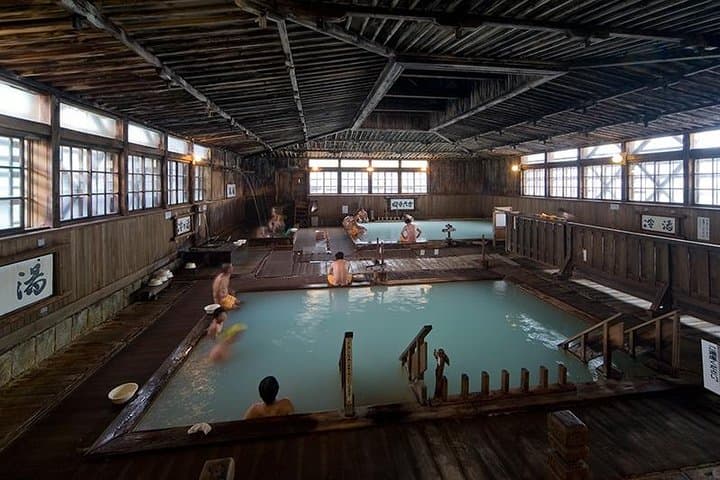
Sukayu is best known for its Sennin-buro — the thousand-person bath — a communal tub with deep mineral-rich water used for generations. The spring sits where volcanic geology pushes hot groundwater to the surface; the sulfurous scent and cloudy water tell a simple geological story of heat, rock, and time. Historically the onsen has been a stop for travelers crossing the Hakkoda range and a local ritual site tied to seasonal festivals and mountain work.
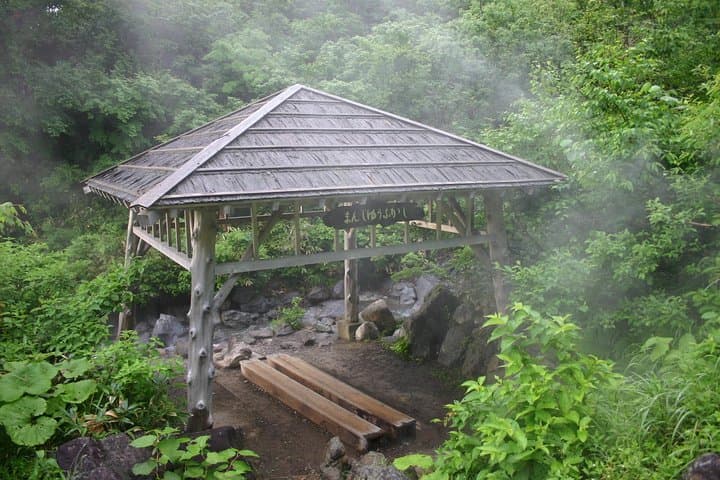
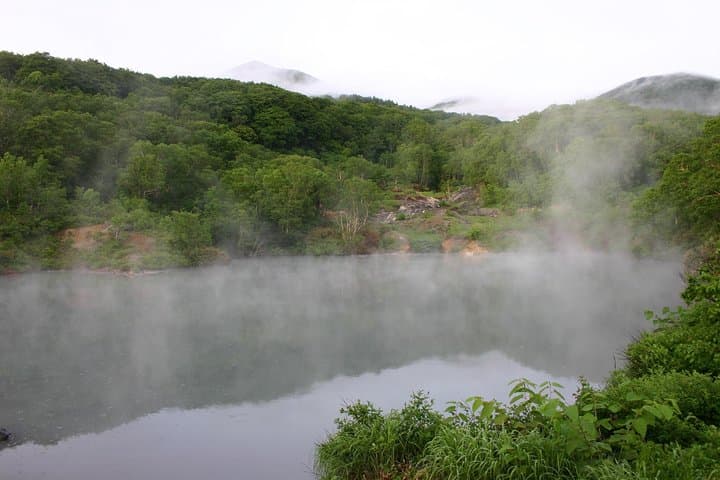
A private guide will explain Japanese bathing etiquette — cleansing before entry, modesty rules, and options for rented bathing cloths if you prefer coverage. The tour generally includes a meal of soba noodles, a walk around the steamed pond, and a chance to sit on a bench warmed by spring water while the surrounding forest keeps an eye on you.
Practically: the program runs about four hours, requires minimal fitness, and is best scheduled in the morning for quieter bathing times (women-only Sennin-buro windows exist). Tattoos larger than typical sticker covers may be restricted. Transportation is by private car (additional gas fee). Bring a towel, spare clothes, and time to move slowly — the onsen asks that visitors respect quiet and the bathing rituals. This half-day balances cultural instruction with hands-on practice, ideal for travelers who want an informed, respectful onsen experience without a full overnight stay.
easy.
4 hours.
Minimal fitness required; able to walk short distances and navigate steps into baths.
Traditional communal baths require no clothing; however, you can rent a small bathing cloth at many facilities for modesty in mixed areas.
Large tattoos are often prohibited; small tattoos can be covered with on-site sticker covers for a fee—check size rules ahead of booking.
Yes — the tour typically includes private car transport from JR Aomori Station, though the host may charge a gas contribution.
Hot springs can stress the cardiovascular system; those with serious heart or blood pressure issues should consult a physician before bathing.
Sukayu has served travelers and local mountain workers for over a century and is famed for its large communal Sennin-buro that grew from local bathing traditions tied to seasonal mountain labor.
The onsen’s operations are sensitive to water use and local forest health; visitors are asked to conserve water, avoid soaps in natural outlets, and follow marked paths to limit erosion.
Tomio Yokouchi operates guided outdoor trips and adventures with an emphasis on safety, stewardship, and memorable experiences.
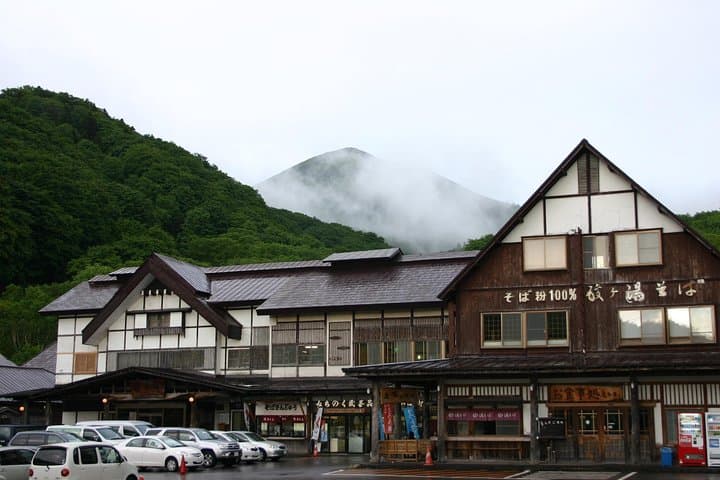
Steam threads across a gray morning as a small car climbs toward Sukayu Hot Spring on the Hakkoda slopes. You step from the vehicle into air that smells faintly of iron and earth; the hotel’s long, wooden facade holds the low heat of centuries of bathing culture.
Steam threads across a gray morning as a small car climbs toward Sukayu Hot Spring on the Hakkoda slopes. You step from the vehicle into air that smells faintly of iron and earth; the hotel’s long, wooden facade holds the low heat of centuries of bathing culture.
Sukayu is best known for its Sennin-buro — the thousand-person bath — a communal tub with deep mineral-rich water used for generations. The spring sits where volcanic geology pushes hot groundwater to the surface; the sulfurous scent and cloudy water tell a simple geological story of heat, rock, and time. Historically the onsen has been a stop for travelers crossing the Hakkoda range and a local ritual site tied to seasonal festivals and mountain work.
A private guide will explain Japanese bathing etiquette — cleansing before entry, modesty rules, and options for rented bathing cloths if you prefer coverage. The tour generally includes a meal of soba noodles, a walk around the steamed pond, and a chance to sit on a bench warmed by spring water while the surrounding forest keeps an eye on you.
Practically: the program runs about four hours, requires minimal fitness, and is best scheduled in the morning for quieter bathing times (women-only Sennin-buro windows exist). Tattoos larger than typical sticker covers may be restricted. Transportation is by private car (additional gas fee). Bring a towel, spare clothes, and time to move slowly — the onsen asks that visitors respect quiet and the bathing rituals. This half-day balances cultural instruction with hands-on practice, ideal for travelers who want an informed, respectful onsen experience without a full overnight stay.