THE ADVENTURE COLLECTIVE® · Independent discovery and booking for outdoor travel

Try on authentic samurai armor at the Sendai Castle ruins and strike a photo-ready pose with Lord Date Masamune’s statue and the cityscape behind you. This short, guided experience pairs hands-on history with panoramic views and simple logistics.
Try on authentic samurai armor at the Sendai Castle ruins and strike a photo-ready pose with Lord Date Masamune’s statue and the cityscape behind you. This short, guided experience pairs hands-on history with panoramic views and simple logistics.
The wind off the Miyagi plain lifts the hem of your jacket as you climb the stone steps toward the Sendai Castle ruins. Above the city stands the bronze equestrian statue of Lord Date Masamune; its black helmet and scarred cuirass mirror the armor you're about to wear. For a brief, tactile hour you feel the weight of Edo-period design and the curve of a kabuto on your head while Sendai spreads below like a living map.
Verified experiences and guided adventures in the surrounding area.
Operated by 仙台城甲冑体験 · Sendai, Miyagi Prefecture
The wind off the Miyagi plain lifts the hem of your jacket as you climb the stone steps toward the Sendai Castle ruins. Above the city stands the bronze equestrian statue of Lord Date Masamune; its black helmet and scarred cuirass mirror the armor you're about to wear. For a brief, tactile hour you feel the weight of Edo-period design and the curve of a kabuto on your head while Sendai spreads below like a living map.
Aoba Castle (often called Sendai Castle) was established by Date Masamune in the early 17th century as the administrative heart of his domain. The hill’s volcanic soils and terraced stonework shaped the layout that remains readable in ruins and observation platforms today. The experience links tangible material culture — the armor and helmet — with Sendai’s civic identity: samurai craftsmanship, Meiji-era restorations, and modern preservation.
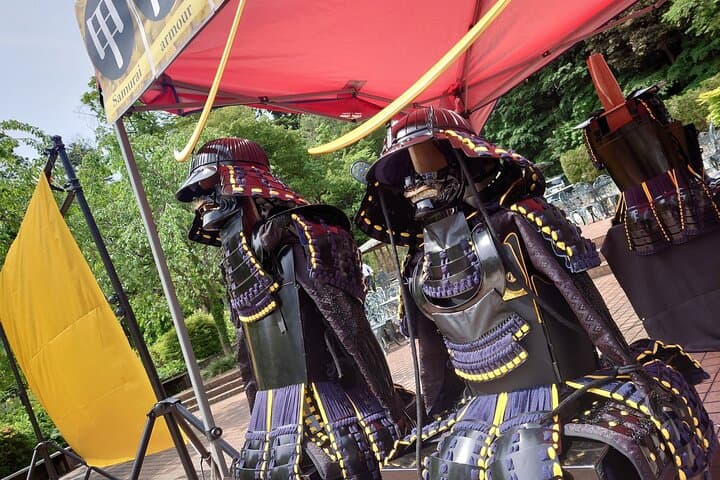
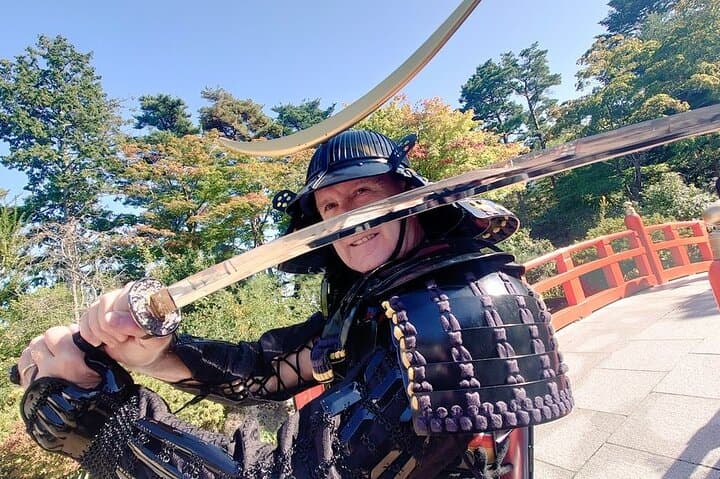
Practical guidance: the sit-down dress-up takes about 30 minutes per booking; staff fit authentic-size armor over your clothing and pose you with a sword for photos. The activity is accessible to most visitors but is not recommended for pregnant guests or those with serious spinal or cardiovascular conditions. Book in advance for private time slots to avoid crowds and plan for public-transport access — the castle site is a short bus or taxi ride from central Sendai.
Timing your visit for late afternoon yields softer light for photos and a calmer viewing deck. Treat the armor respectfully, follow staff instructions for donning the pieces, and leave room in your schedule to visit nearby cultural sites like Zuihoden and the city’s markets.
easy.
30 minutes.
Suitable for most adults and older children in reasonable health; expect brief standing and light movement while in armor.
The booked session is 30 minutes; about five minutes to don the armor, a few minutes for photos, and time to remove it.
The set is historically styled and made to feel authentic; staff provide historically accurate-looking armor and helmets for the experience.
Yes—children’s sizes are available, but guardians should assess comfort with the weight and fit; staff assist with dressing.
The ruins include uneven terrain and steps; while some observation areas are reachable, full accessibility is limited—contact organizers in advance for accommodations.
Aoba Castle was established by Date Masamune in the early Edo period; the site blends samurai-era earthworks with Meiji and post-war modifications.
The site is managed to protect fragile stonework and viewsheds—stay on paths, avoid touching historic masonry, and carry out any trash to help preserve the ruins.
仙台城甲冑体験 operates guided outdoor trips and adventures with an emphasis on safety, stewardship, and memorable experiences.
The wind off the Miyagi plain lifts the hem of your jacket as you climb the stone steps toward the Sendai Castle ruins. Above the city stands the bronze equestrian statue of Lord Date Masamune; its black helmet and scarred cuirass mirror the armor you're about to wear. For a brief, tactile hour you feel the weight of Edo-period design and the curve of a kabuto on your head while Sendai spreads below like a living map.
The wind off the Miyagi plain lifts the hem of your jacket as you climb the stone steps toward the Sendai Castle ruins. Above the city stands the bronze equestrian statue of Lord Date Masamune; its black helmet and scarred cuirass mirror the armor you're about to wear. For a brief, tactile hour you feel the weight of Edo-period design and the curve of a kabuto on your head while Sendai spreads below like a living map.
Aoba Castle (often called Sendai Castle) was established by Date Masamune in the early 17th century as the administrative heart of his domain. The hill’s volcanic soils and terraced stonework shaped the layout that remains readable in ruins and observation platforms today. The experience links tangible material culture — the armor and helmet — with Sendai’s civic identity: samurai craftsmanship, Meiji-era restorations, and modern preservation.
Practical guidance: the sit-down dress-up takes about 30 minutes per booking; staff fit authentic-size armor over your clothing and pose you with a sword for photos. The activity is accessible to most visitors but is not recommended for pregnant guests or those with serious spinal or cardiovascular conditions. Book in advance for private time slots to avoid crowds and plan for public-transport access — the castle site is a short bus or taxi ride from central Sendai.
Timing your visit for late afternoon yields softer light for photos and a calmer viewing deck. Treat the armor respectfully, follow staff instructions for donning the pieces, and leave room in your schedule to visit nearby cultural sites like Zuihoden and the city’s markets.