THE ADVENTURE COLLECTIVE® · Independent discovery and booking for outdoor travel

See Rio’s postcard in one practical half-day: glass-enclosed cable cars to Sugarloaf, a local lunch, and quick stops through historic downtown. Ideal for visitors with limited time who want panoramic views and cultural highlights.
See Rio’s postcard in one practical half-day: glass-enclosed cable cars to Sugarloaf, a local lunch, and quick stops through historic downtown. Ideal for visitors with limited time who want panoramic views and cultural highlights.
You step off the van into the sea-salted air of Urca and the first cable car hums overhead, glass panels catching the light as Guanabara Bay opens like a map beneath you.
Verified experiences and guided adventures in the surrounding area.
Operated by Florencios Tour · Rio de Janeiro, Rio de Janeiro
You step off the van into the sea-salted air of Urca and the first cable car hums overhead, glass panels catching the light as Guanabara Bay opens like a map beneath you.
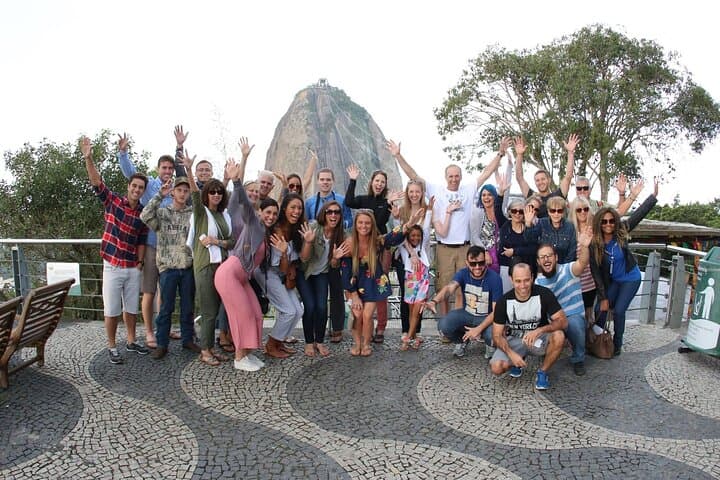
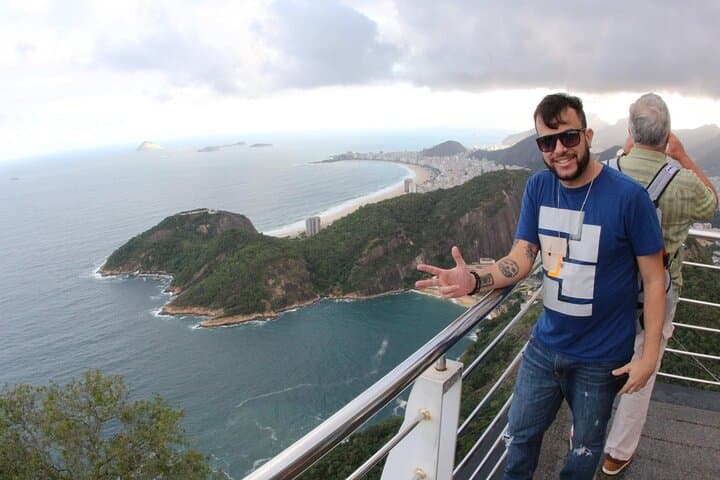
The ride to Morro da Urca and then up to Pão de Açúcar (Sugarloaf) is the day's spine: quick, vertiginous, and precise. From 396 meters the city flattens into beaches, bays and the blocky silhouette of Corcovado; the Atlantic Forest clings to the steep rock and seems to push the ocean back with a green edge.
Sugarloaf's story is technological and urban. The original Bondinho began in the early 20th century, an engineering response to steep granite domes carved by ancient rivers. Below, downtown Rio mixes Portuguese colonial grids, modernist concrete, and the colorful chaos of Lapa and Selarón's tiled steps—each neighborhood a chapter in the city's cultural biography.
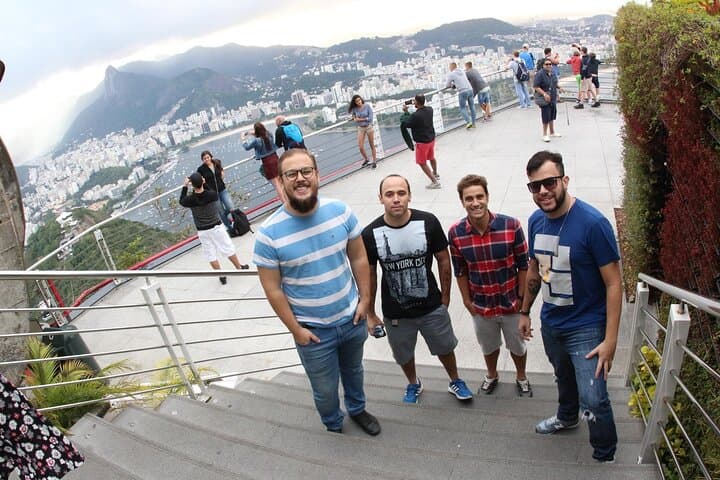
Expect short walks across paved viewing platforms, museum-style displays about the cable car's history, and a lunch at a nearby restaurant that showcases carioca flavors.
Practical guidance: bring sun protection and a light layer for wind at the summit, allow extra time for photos and security lines, and factor in downtown stops (Cathedral, Selarón, Sambadrome) for quick walks on cobbles. Wheelchair access is possible at the cable-car stations, and the tour is suitable for most fitness levels. For cruise passengers, the six-hour window fits port calls but build in buffer time for traffic. Hydrate, wear comfortable shoes for urban walking, and keep a compact camera ready—the views don’t wait.
easy.
6 hours.
Suitable for most fitness levels; requires short paved walks and standing at viewpoints
Yes—stations and cable cars have accessibility options, but notify the operator in advance for assistance.
Admission to the cable car and the Sugarloaf park is included as part of this tour package.
The tour includes a local lunch at a restaurant; snacks and additional purchases at kiosks are extra.
Yes—the six-hour itinerary is designed for short stays, but allow extra buffer time for port transfers and traffic.
Sugarloaf's cable car opened in the early 20th century and became a landmark of Rio's modernization; nearby districts like Lapa and Cinelândia trace the city's colonial and modernist eras.
The Sugarloaf Tourist Park protects fragments of the Atlantic Forest; visitors are encouraged to stay on designated paths and avoid feeding wildlife to minimize disturbance.
Florencios Tour operates guided outdoor trips and adventures with an emphasis on safety, stewardship, and memorable experiences.

You step off the van into the sea-salted air of Urca and the first cable car hums overhead, glass panels catching the light as Guanabara Bay opens like a map beneath you.
You step off the van into the sea-salted air of Urca and the first cable car hums overhead, glass panels catching the light as Guanabara Bay opens like a map beneath you.
The ride to Morro da Urca and then up to Pão de Açúcar (Sugarloaf) is the day's spine: quick, vertiginous, and precise. From 396 meters the city flattens into beaches, bays and the blocky silhouette of Corcovado; the Atlantic Forest clings to the steep rock and seems to push the ocean back with a green edge.
Sugarloaf's story is technological and urban. The original Bondinho began in the early 20th century, an engineering response to steep granite domes carved by ancient rivers. Below, downtown Rio mixes Portuguese colonial grids, modernist concrete, and the colorful chaos of Lapa and Selarón's tiled steps—each neighborhood a chapter in the city's cultural biography.
Expect short walks across paved viewing platforms, museum-style displays about the cable car's history, and a lunch at a nearby restaurant that showcases carioca flavors.
Practical guidance: bring sun protection and a light layer for wind at the summit, allow extra time for photos and security lines, and factor in downtown stops (Cathedral, Selarón, Sambadrome) for quick walks on cobbles. Wheelchair access is possible at the cable-car stations, and the tour is suitable for most fitness levels. For cruise passengers, the six-hour window fits port calls but build in buffer time for traffic. Hydrate, wear comfortable shoes for urban walking, and keep a compact camera ready—the views don’t wait.