THE ADVENTURE COLLECTIVE® · Independent discovery and booking for outdoor travel

Climb Sugarloaf’s east face for a short, technical ascent and panoramic views over Guanabara Bay. This guided 3–4 hour outing pairs an instructional 15‑meter rock pitch with a scenic cable‑car descent to Morro da Urca.
Climb Sugarloaf’s east face for a short, technical ascent and panoramic views over Guanabara Bay. This guided 3–4 hour outing pairs an instructional 15‑meter rock pitch with a scenic cable‑car descent to Morro da Urca.
You step onto the warm granite at the foot of Sugarloaf and the harbor breathes around you — ferries slide like coins across Guanabara Bay while the city leans into the hills. The route climbs the east face, a compact 15‑meter section of exposed rock that gives way to a summit shelf with sweeping views of Christ the Redeemer, Copacabana, and the green teeth of Tijuca Forest.
Verified experiences and guided adventures in the surrounding area.
Operated by Itaway Ecotours · Rio de Janeiro, Rio de Janeiro
You step onto the warm granite at the foot of Sugarloaf and the harbor breathes around you — ferries slide like coins across Guanabara Bay while the city leans into the hills. The route climbs the east face, a compact 15‑meter section of exposed rock that gives way to a summit shelf with sweeping views of Christ the Redeemer, Copacabana, and the green teeth of Tijuca Forest.
Sugarloaf is a granite monolith carved by coastal uplift and weathering; its steep, columnar faces have drawn climbers since the early 19th century when European ascents first put the peak on maps. The climb blends simple mountaineering moves with short technical sections, taught and protected by certified instructors using UIAA‑rated gear.
From the top the city reads like a grid of textures — beaches, favelas, parks — and Niterói sits like an answering echo across the bay. The experience ends with a leisurely cable‑car descent to Morro da Urca and a return along the shoreline to Red Beach, the mechanical hum of the car contrasting with the human pulse below.
Practically: allow about 3–4 hours, bring 2L of water, sun protection and sturdy sport or hiking shoes (no sandals). The route requires good cardiovascular fitness and comfort with exposure; guides handle belays and hardware. Minimum age is 10; the climb isn’t recommended for those with serious heart or back conditions or acute fear of heights. Book ahead for morning slots to avoid heat and afternoon sea breezes; the cable car descent is usually included and provides a scenic, low‑effort finish.
challenging.
3–4 hours.
Good cardiovascular fitness, leg strength, and comfort on exposed terrain; able to hike steep approaches and follow belayed instructions
The guided rock climb itself is a short, technical 15‑meter pitch within a 3–4 hour outing that includes approach, instruction, and the cable‑car descent.
No prior rope experience is necessary; guides teach techniques and manage protection, but participants should be comfortable with exposure and basic physical demands.
Yes—this experience typically includes the cable‑car descent to Morro da Urca as part of the itinerary.
Minimum age is usually 10 with an accompanying adult; the activity is not recommended for pregnant travelers or those with serious heart or spinal conditions.
Sugarloaf’s first recorded ascent traces to early 19th‑century climbers; its cable‑car, opened in 1912, was one of the world’s earliest urban aerial tramways.
High visitor numbers concentrate on narrow trails and summit slabs—stick to established paths, pack out trash, and use local guides who support managed access and preservation.
Itaway Ecotours operates guided outdoor trips and adventures with an emphasis on safety, stewardship, and memorable experiences.
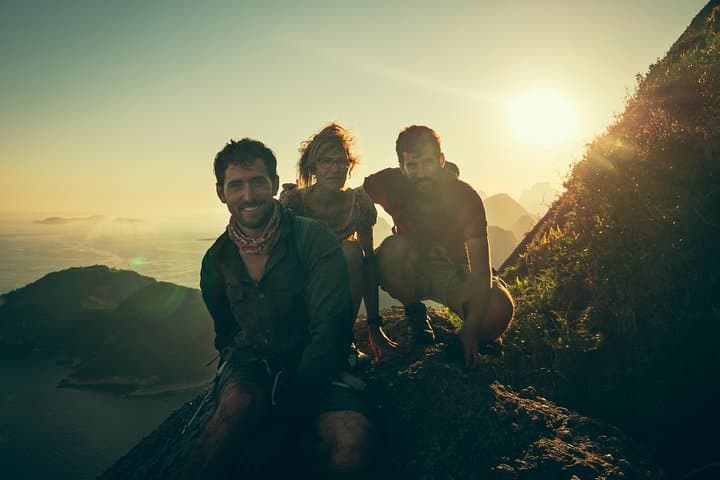


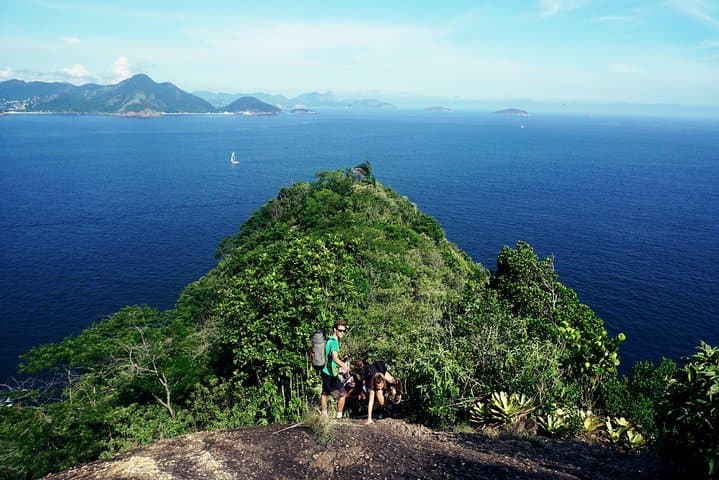
You step onto the warm granite at the foot of Sugarloaf and the harbor breathes around you — ferries slide like coins across Guanabara Bay while the city leans into the hills. The route climbs the east face, a compact 15‑meter section of exposed rock that gives way to a summit shelf with sweeping views of Christ the Redeemer, Copacabana, and the green teeth of Tijuca Forest.
You step onto the warm granite at the foot of Sugarloaf and the harbor breathes around you — ferries slide like coins across Guanabara Bay while the city leans into the hills. The route climbs the east face, a compact 15‑meter section of exposed rock that gives way to a summit shelf with sweeping views of Christ the Redeemer, Copacabana, and the green teeth of Tijuca Forest.
Sugarloaf is a granite monolith carved by coastal uplift and weathering; its steep, columnar faces have drawn climbers since the early 19th century when European ascents first put the peak on maps. The climb blends simple mountaineering moves with short technical sections, taught and protected by certified instructors using UIAA‑rated gear.
From the top the city reads like a grid of textures — beaches, favelas, parks — and Niterói sits like an answering echo across the bay. The experience ends with a leisurely cable‑car descent to Morro da Urca and a return along the shoreline to Red Beach, the mechanical hum of the car contrasting with the human pulse below.
Practically: allow about 3–4 hours, bring 2L of water, sun protection and sturdy sport or hiking shoes (no sandals). The route requires good cardiovascular fitness and comfort with exposure; guides handle belays and hardware. Minimum age is 10; the climb isn’t recommended for those with serious heart or back conditions or acute fear of heights. Book ahead for morning slots to avoid heat and afternoon sea breezes; the cable car descent is usually included and provides a scenic, low‑effort finish.