THE ADVENTURE COLLECTIVE® · Independent discovery and booking for outdoor travel

Ride the cable car up to Sugarloaf Mountain with a professional photographer and focus on the views — not the angles. This private four-hour tour combines photo coaching, hotel transport, and sweeping vistas over Guanabara Bay.
Ride the cable car up to Sugarloaf Mountain with a professional photographer and focus on the views — not the angles. This private four-hour tour combines photo coaching, hotel transport, and sweeping vistas over Guanabara Bay.
You step out of the van into the salt-bright breeze of Guanabara Bay and the cable cars already rock like glass buoys against the sky. The photographer-guide moves with practiced calm; cameras click as the city unfurls below — Copacabana's curve, Botafogo's harbor, and the green shoulders of Tijuca Forest. The ascent begins at Praia Vermelha, climbs to Morro da Urca (≈210 m) and then rises to Pão de Açúcar (Sugarloaf, 395 m), where views sweep 360 degrees and light changes the city every few minutes.
Verified experiences and guided adventures in the surrounding area.
Operated by Rio Photo Guide · Rio de Janeiro, Rio de Janeiro
You step out of the van into the salt-bright breeze of Guanabara Bay and the cable cars already rock like glass buoys against the sky. The photographer-guide moves with practiced calm; cameras click as the city unfurls below — Copacabana's curve, Botafogo's harbor, and the green shoulders of Tijuca Forest. The ascent begins at Praia Vermelha, climbs to Morro da Urca (≈210 m) and then rises to Pão de Açúcar (Sugarloaf, 395 m), where views sweep 360 degrees and light changes the city every few minutes.
Geology here is blunt and ancient: vertical granite spires shaped by uplift and relentless coastal erosion. The cable-car system, inaugurated in 1912 and modernized over the decades, made these summits public stages for Rio’s social life — fisherman, families, and photographers alike. Urca’s Mureta (bay wall) remains a local sunset ritual, where anglers and friends trade banter with gulls.
Practical guidance: the tour lasts around four hours including pickup and photo time; admission to the cable cars is not included in most private arrangements, so confirm tickets in advance. Wear sturdy shoes with grip for short rocky sections, bring a windproof layer for the exposed summit, and pack water and sunscreen — the sun can be harsh even on cool days. Morning and late-afternoon light give the best photos; mid-day is brightest but busiest.
Accessibility is generally good — cable cars and many surfaces are wheelchair accessible — but check mobility needs with your operator. Expect plenty of short walks, a few stairs, and unforgettable skyline frames that a professional guide will compose for you.
easy.
4 hours.
Suitable for most fitness levels; expect short, paved and rocky walks plus some stairs
Not always — many private photography tours include transport and guiding but require separate cable-car admission; confirm with the operator before your trip.
The itinerary notes wheelchair accessibility for transport and many surfaces, but contact the operator about specific mobility needs and assistance requirements.
Early morning and late afternoon provide the most flattering light and fewer crowds; midday is brightest but harsher for portraits.
This operator requires a minimum of two guests and can accommodate up to 30 in private bookings; verify group size and pace when reserving.
The Sugarloaf cable car opened in 1912 and helped popularize the summit as a public viewpoint; the granite outcrop has long been a landmark for sailors entering Guanabara Bay.
High visitor numbers strain fragile granite and coastal vegetation; stick to marked paths, avoid climbing unpermitted rock faces, and carry out trash to protect the site.
Rio Photo Guide operates guided outdoor trips and adventures with an emphasis on safety, stewardship, and memorable experiences.
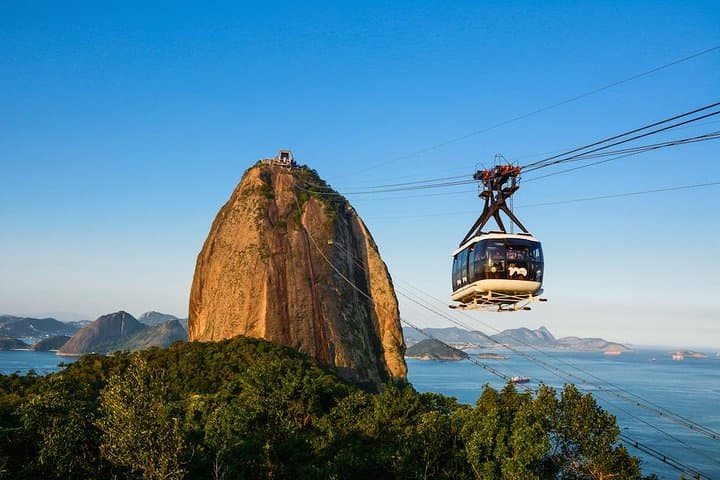
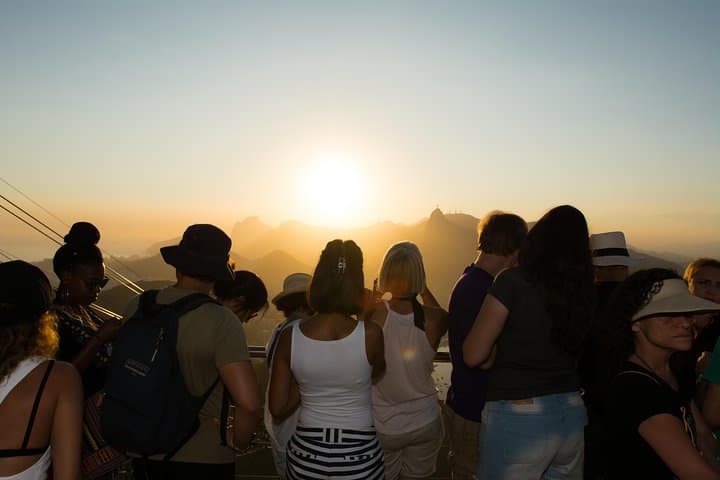
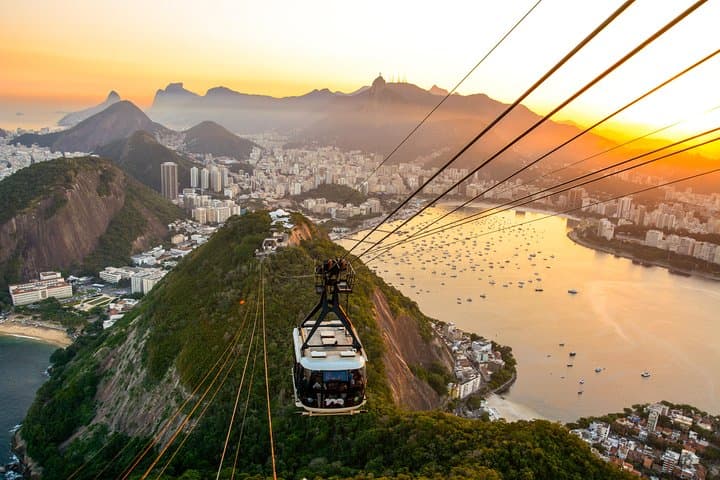
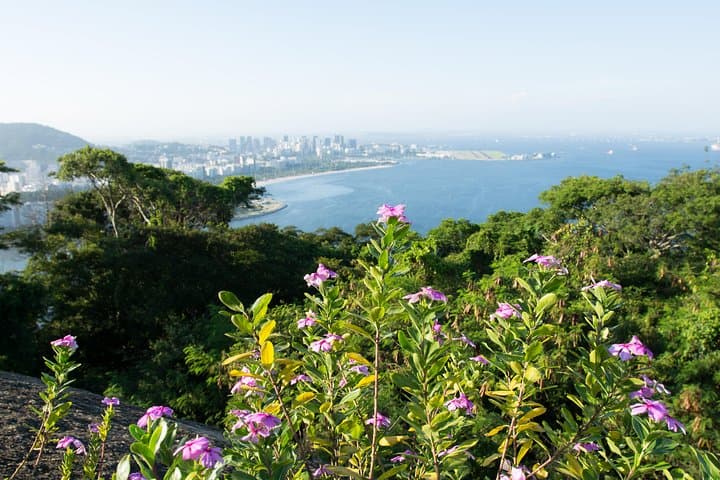
You step out of the van into the salt-bright breeze of Guanabara Bay and the cable cars already rock like glass buoys against the sky. The photographer-guide moves with practiced calm; cameras click as the city unfurls below — Copacabana's curve, Botafogo's harbor, and the green shoulders of Tijuca Forest. The ascent begins at Praia Vermelha, climbs to Morro da Urca (≈210 m) and then rises to Pão de Açúcar (Sugarloaf, 395 m), where views sweep 360 degrees and light changes the city every few minutes.
You step out of the van into the salt-bright breeze of Guanabara Bay and the cable cars already rock like glass buoys against the sky. The photographer-guide moves with practiced calm; cameras click as the city unfurls below — Copacabana's curve, Botafogo's harbor, and the green shoulders of Tijuca Forest. The ascent begins at Praia Vermelha, climbs to Morro da Urca (≈210 m) and then rises to Pão de Açúcar (Sugarloaf, 395 m), where views sweep 360 degrees and light changes the city every few minutes.
Geology here is blunt and ancient: vertical granite spires shaped by uplift and relentless coastal erosion. The cable-car system, inaugurated in 1912 and modernized over the decades, made these summits public stages for Rio’s social life — fisherman, families, and photographers alike. Urca’s Mureta (bay wall) remains a local sunset ritual, where anglers and friends trade banter with gulls.
Practical guidance: the tour lasts around four hours including pickup and photo time; admission to the cable cars is not included in most private arrangements, so confirm tickets in advance. Wear sturdy shoes with grip for short rocky sections, bring a windproof layer for the exposed summit, and pack water and sunscreen — the sun can be harsh even on cool days. Morning and late-afternoon light give the best photos; mid-day is brightest but busiest.
Accessibility is generally good — cable cars and many surfaces are wheelchair accessible — but check mobility needs with your operator. Expect plenty of short walks, a few stairs, and unforgettable skyline frames that a professional guide will compose for you.