THE ADVENTURE COLLECTIVE® · Independent discovery and booking for outdoor travel

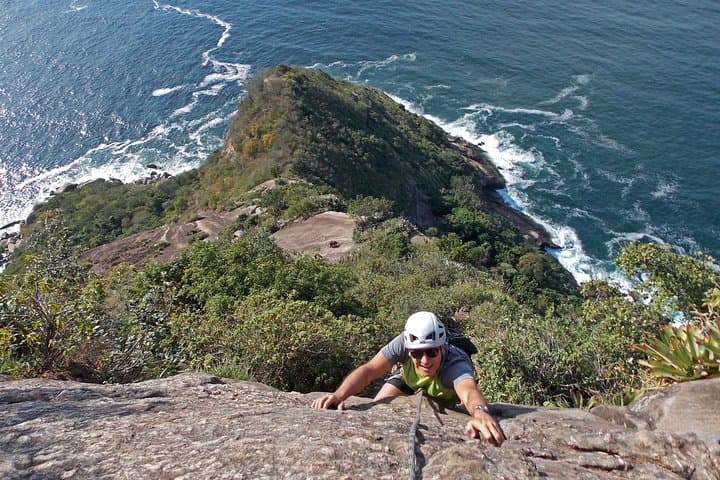
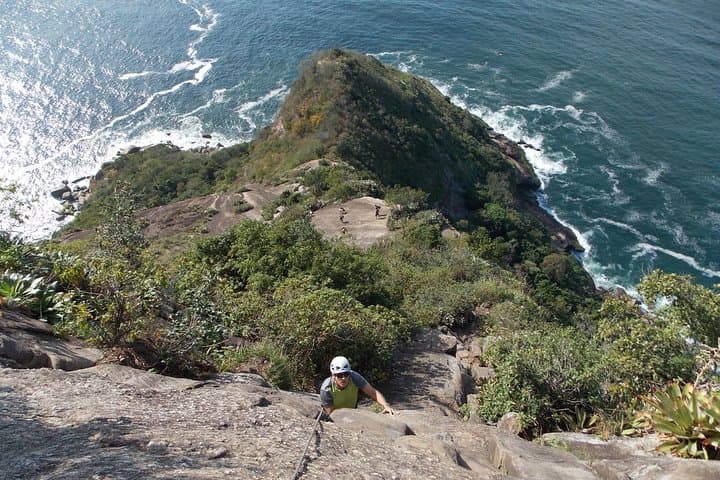
Experience Rio from the face of an iconic granite peak: a guided hike across stone ramps, a beginner-friendly 20 m climb and cable-car descent with sweeping views over Guanabara Bay. Practical and accessible for fit newcomers.
Experience Rio from the face of an iconic granite peak: a guided hike across stone ramps, a beginner-friendly 20 m climb and cable-car descent with sweeping views over Guanabara Bay. Practical and accessible for fit newcomers.
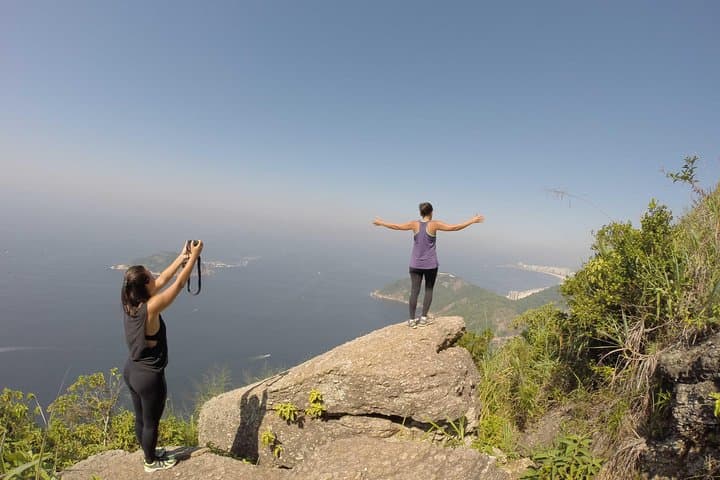
The trail opens with the ocean at your shoulder and the city of Rio stretching toward the horizon, the granite face of Sugarloaf rising like a challenge issued by the sea. Start at Pista Claudio Coutinho where the path threads under pines and palms, and within 20 minutes a first lookout frames Guanabara Bay and the distant silhouette of Niterói.
Verified experiences and guided adventures in the surrounding area.
Operated by Nattrip - Tourism, Ecotourism and Adventure in Rio de Janeiro · Rio de Janeiro, Rio de Janeiro
The trail opens with the ocean at your shoulder and the city of Rio stretching toward the horizon, the granite face of Sugarloaf rising like a challenge issued by the sea. Start at Pista Claudio Coutinho where the path threads under pines and palms, and within 20 minutes a first lookout frames Guanabara Bay and the distant silhouette of Niterói.
Sugarloaf (Pão de Açúcar) is a monolithic granite plug formed millions of years ago, its steep sides carved by wind and waves. The first cable car up to Morro da Urca debuted in the early 20th century, and today the route mixes easy coastal walking, steep stone ramps and a short, instructor-led vertical climb of roughly 20 meters for beginners.
Locals prize the route for quick panoramas of Copacabana, Pedra da Gávea and Morro Dois Irmãos; vendors and street musicians give Urca a relaxed neighborhood feel. The climb offers an accessible introduction to multi-pitch etiquette and basic rope safety under guide supervision.
Practical guidance: expect 3–5 hours total including transfers and cable-car descent; elevation gain is moderate as you move between Urca and the summit platforms on exposed rock and paved ramps. Wear grippy hiking shoes, carry 1–2 liters of water, sun protection and a light snack. Morning departures avoid afternoon sea breezes and showers. Operators supply climbing equipment and basic instruction, but bring a small daypack and your passport for verification. Respect posted signs, stay with the guide, and leave no trace — the granite and birdlife respond poorly to overcrowding and litter.
moderate.
3–5 hours.
Suitable for travelers with moderate fitness: comfortable walking on uneven terrain and short technical climbing with instructor support.
No—this tour provides basic instruction and equipment; the 20 m wall is designed for beginners under guide supervision.
The itinerary includes the Sugarloaf to Morro da Urca cable car section; check your booking option to confirm transport inclusions.
Minimum age is 14; not recommended for people with serious heart or back problems or those who are pregnant.
Tours are subject to weather; if canceled you’ll be offered an alternative date or full refund per the operator’s policy.
Sugarloaf is a granite monolith shaped over geological time; the first cable car opened in the early 20th century and helped make the peak a symbol of Rio.
High visitor numbers can accelerate erosion and disturb wildlife; stick to trails, avoid feeding animals and pack out waste to protect the granite ecosystems.
Nattrip - Tourism, Ecotourism and Adventure in Rio de Janeiro operates guided outdoor trips and adventures with an emphasis on safety, stewardship, and memorable experiences.

The trail opens with the ocean at your shoulder and the city of Rio stretching toward the horizon, the granite face of Sugarloaf rising like a challenge issued by the sea. Start at Pista Claudio Coutinho where the path threads under pines and palms, and within 20 minutes a first lookout frames Guanabara Bay and the distant silhouette of Niterói.
The trail opens with the ocean at your shoulder and the city of Rio stretching toward the horizon, the granite face of Sugarloaf rising like a challenge issued by the sea. Start at Pista Claudio Coutinho where the path threads under pines and palms, and within 20 minutes a first lookout frames Guanabara Bay and the distant silhouette of Niterói.
Sugarloaf (Pão de Açúcar) is a monolithic granite plug formed millions of years ago, its steep sides carved by wind and waves. The first cable car up to Morro da Urca debuted in the early 20th century, and today the route mixes easy coastal walking, steep stone ramps and a short, instructor-led vertical climb of roughly 20 meters for beginners.
Locals prize the route for quick panoramas of Copacabana, Pedra da Gávea and Morro Dois Irmãos; vendors and street musicians give Urca a relaxed neighborhood feel. The climb offers an accessible introduction to multi-pitch etiquette and basic rope safety under guide supervision.
Practical guidance: expect 3–5 hours total including transfers and cable-car descent; elevation gain is moderate as you move between Urca and the summit platforms on exposed rock and paved ramps. Wear grippy hiking shoes, carry 1–2 liters of water, sun protection and a light snack. Morning departures avoid afternoon sea breezes and showers. Operators supply climbing equipment and basic instruction, but bring a small daypack and your passport for verification. Respect posted signs, stay with the guide, and leave no trace — the granite and birdlife respond poorly to overcrowding and litter.