THE ADVENTURE COLLECTIVE® · Independent discovery and booking for outdoor travel

Skip the line and ride two cable-car legs to the 395 m summit of Sugarloaf Mountain for sweeping views over Copacabana and Guanabara Bay. This guided, one-hour tour combines efficient access with a concise cultural and geological introduction.
Skip the line and ride two cable-car legs to the 395 m summit of Sugarloaf Mountain for sweeping views over Copacabana and Guanabara Bay. This guided, one-hour tour combines efficient access with a concise cultural and geological introduction.
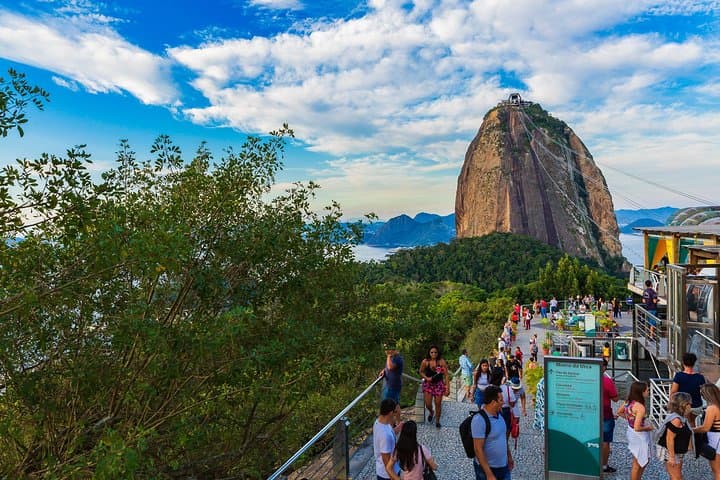
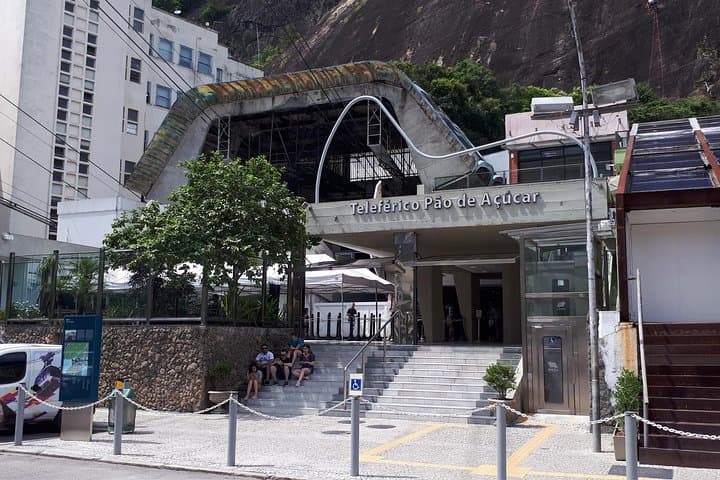
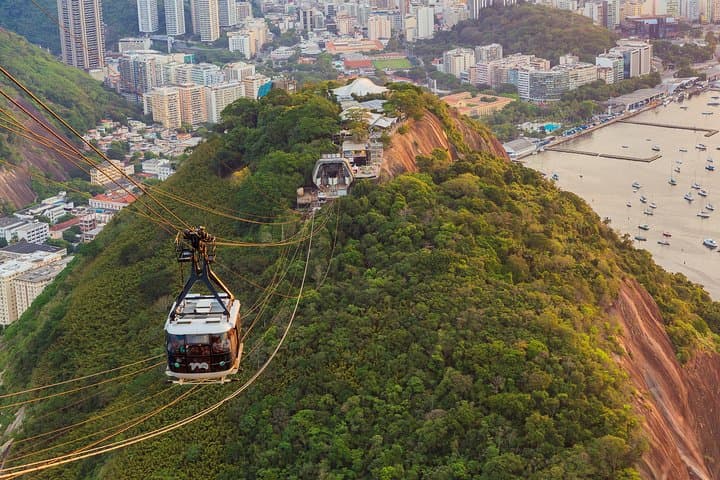
You meet your guide on the stairway beneath the Teleférico Pão de Açúcar sign, city noise folding away as the cable car hums you toward Urca Hill. The first ascent offers a compact preview — tile roofs, the sweep of Copacabana, and Guanabara Bay opening like a harbor that dares you to scan every inlet. A second lift pulls you to Sugarloaf’s 395 m summit where wind and light expose the coastline in hard, changeable detail.
Verified experiences and guided adventures in the surrounding area.
Operated by C2Rio Tours & Travel · Rio de Janeiro, Rio de Janeiro
You meet your guide on the stairway beneath the Teleférico Pão de Açúcar sign, city noise folding away as the cable car hums you toward Urca Hill. The first ascent offers a compact preview — tile roofs, the sweep of Copacabana, and Guanabara Bay opening like a harbor that dares you to scan every inlet. A second lift pulls you to Sugarloaf’s 395 m summit where wind and light expose the coastline in hard, changeable detail.
Geology here is blunt and visible: Sugarloaf is a granite inselberg, a remnant of erosion that left this sheer, rounded outcrop rising from the shoreline. The area’s history is layered — from indigenous Tupinambá presence to colonial fortifications on nearby islands and the cable car installed in 1912 that turned the peak into a defining urban lookout. Cultural life below is loud and immediate: vendors, fishermen, and samba rhythms remind you the mountain sits inside a living city.
This guided one-hour tour focuses on efficient access — fast-pass entry, two short cable-car legs, and a timed stop on Urca Hill before the summit. Expect paved viewing platforms, steady pedestrian traffic, and photo opportunities that reward a quick eye for composition.
Practical guidance: arrive 15–20 minutes early to meet the guide, bring sun protection and a light wind layer, and limit large backpacks during peak times. Travelers with cardiovascular issues should consult a doctor; the cable car ride itself is brief and accessible for most. Weather can shift quickly — plan morning or late-afternoon visits for softer light and smaller crowds.
easy.
1 hour.
Suitable for most fitness levels; mostly standing and short walks on paved surfaces
The guided portion is roughly one hour, including the two cable-car legs; you can stay at the summit longer after the tour ends.
Access to the cable car and viewing terraces is generally accessible, but check with operators for specific mobility accommodations before booking.
There are kiosks and vendors near Urca Hill and at Sugarloaf with light snacks and drinks, but options are limited—carry water if you prefer.
The tour may be canceled or rescheduled if operators deem conditions unsafe; cancellations follow the provider’s policy and refunds apply within specified windows.
The Sugarloaf cable car system dates to 1912 and helped popularize the peak as a public lookout, while the granite outcrop itself is an erosional remnant formed over millions of years.
High visitor volume requires careful waste management and respect for signage; stick to designated paths and avoid feeding wildlife to reduce human impact.
C2Rio Tours & Travel operates guided outdoor trips and adventures with an emphasis on safety, stewardship, and memorable experiences.

You meet your guide on the stairway beneath the Teleférico Pão de Açúcar sign, city noise folding away as the cable car hums you toward Urca Hill. The first ascent offers a compact preview — tile roofs, the sweep of Copacabana, and Guanabara Bay opening like a harbor that dares you to scan every inlet. A second lift pulls you to Sugarloaf’s 395 m summit where wind and light expose the coastline in hard, changeable detail.
You meet your guide on the stairway beneath the Teleférico Pão de Açúcar sign, city noise folding away as the cable car hums you toward Urca Hill. The first ascent offers a compact preview — tile roofs, the sweep of Copacabana, and Guanabara Bay opening like a harbor that dares you to scan every inlet. A second lift pulls you to Sugarloaf’s 395 m summit where wind and light expose the coastline in hard, changeable detail.
Geology here is blunt and visible: Sugarloaf is a granite inselberg, a remnant of erosion that left this sheer, rounded outcrop rising from the shoreline. The area’s history is layered — from indigenous Tupinambá presence to colonial fortifications on nearby islands and the cable car installed in 1912 that turned the peak into a defining urban lookout. Cultural life below is loud and immediate: vendors, fishermen, and samba rhythms remind you the mountain sits inside a living city.
This guided one-hour tour focuses on efficient access — fast-pass entry, two short cable-car legs, and a timed stop on Urca Hill before the summit. Expect paved viewing platforms, steady pedestrian traffic, and photo opportunities that reward a quick eye for composition.
Practical guidance: arrive 15–20 minutes early to meet the guide, bring sun protection and a light wind layer, and limit large backpacks during peak times. Travelers with cardiovascular issues should consult a doctor; the cable car ride itself is brief and accessible for most. Weather can shift quickly — plan morning or late-afternoon visits for softer light and smaller crowds.