THE ADVENTURE COLLECTIVE® · Independent discovery and booking for outdoor travel

Climb from Morro da Babilônia and summit Pão de Açúcar with a guided, beginner-friendly ascent that blends short rock climbs, steep hiking and an iconic cable car descent. Ideal for first-time climbers with moderate fitness.
Climb from Morro da Babilônia and summit Pão de Açúcar with a guided, beginner-friendly ascent that blends short rock climbs, steep hiking and an iconic cable car descent. Ideal for first-time climbers with moderate fitness.
A morning on Rio’s Urca headlands begins with the sea pressing against granite and the city unfurling behind you — Copacabana’s arc, the green spill of Tijuca, and Christ the Redeemer watching from a distant ridge. The Ascent to Sugarloaf Mountain starts with a beginner’s rock-baptism on Morro da Babilônia: a guided 40‑meter top-rope climb that introduces harness, belay and footing on compact coastal rock.
Verified experiences and guided adventures in the surrounding area.
Operated by Avoir Experience · Rio de Janeiro, Rio de Janeiro
A morning on Rio’s Urca headlands begins with the sea pressing against granite and the city unfurling behind you — Copacabana’s arc, the green spill of Tijuca, and Christ the Redeemer watching from a distant ridge. The Ascent to Sugarloaf Mountain starts with a beginner’s rock-baptism on Morro da Babilônia: a guided 40‑meter top-rope climb that introduces harness, belay and footing on compact coastal rock.
Sugarloaf (Pão de Açúcar) is a steep granite monolith formed by intrusive igneous processes; its vertical faces have drawn climbers since the 19th century. The route of conquest up the east face mixes steep hiking, a short 15‑meter assisted rope stretch and classic urban climbing culture — friendly guides, fixed anchors and busy lines of sight across Guanabara Bay. Cultural notes hang in the air: Portuguese colonial architecture in Urca, military batteries nearby, and cable car history (the original lift dates to 1912) that ties the climb to Rio’s tourist story.
Practically, the day is technical-outdoor-lite: expect slick rock in wet weather, sun exposure on exposed pitches, and short, steep approaches. Guides provide shoes, harness and helmet; climbers should bring 1–1.5L water, sun protection, good grippy shoes for trail approaches and a light snack.
Timing is everything — mornings reduce heat, light favors photo composition and crowds thin before midday. Respect local rules, follow the guide’s rope commands, and leave no trace: the rock is popular, fragile in places and alive with sea-breeze salts that demand careful footwork.
moderate.
4 hours.
Suitable for people with moderate fitness: comfortable with steep uphill hiking, short exposed climbs, and stair sections.
No. Guides provide instruction and equipment for beginners; the route includes assisted sections suitable for first-time climbers.
Yes — the trip includes the ticket for the cable car descent from Pão de Açúcar to Morro da Urca and onward to Praia Vermelha.
The minimum age is 10 years; minors must be accompanied by an adult and meet physical ability requirements.
The experience requires good climatic conditions; if canceled for safety, the operator will offer an alternate date or a full refund.
Pão de Açúcar’s cable car opened in 1912 and the peak became a symbol of Rio’s early 20th‑century tourist era; the area also hosts colonial-era fortifications in Urca.
High visitation stresses fragile coastal vegetation and cliff habitats — stay on trails, avoid disturbing wildlife and pack out waste to protect the granite and bay ecosystem.
Avoir Experience operates guided outdoor trips and adventures with an emphasis on safety, stewardship, and memorable experiences.
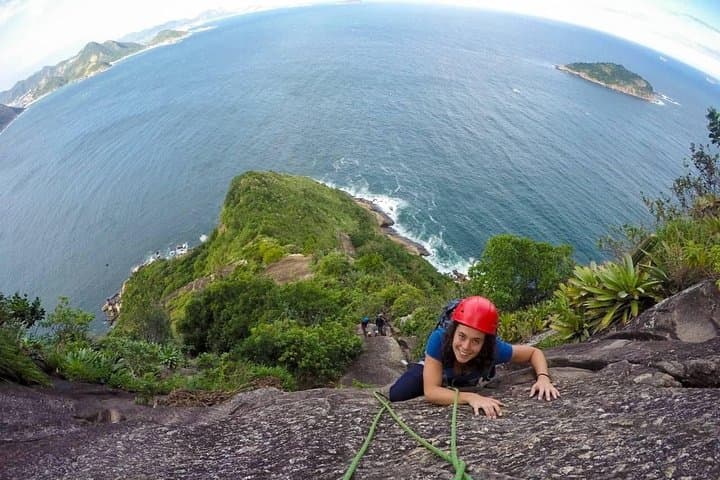
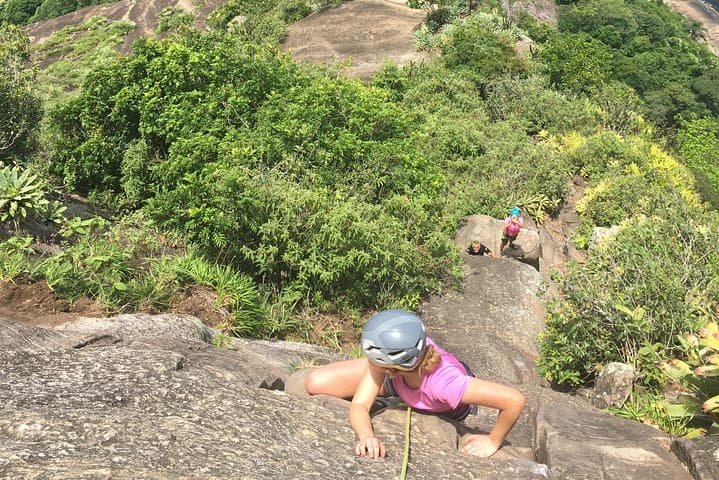

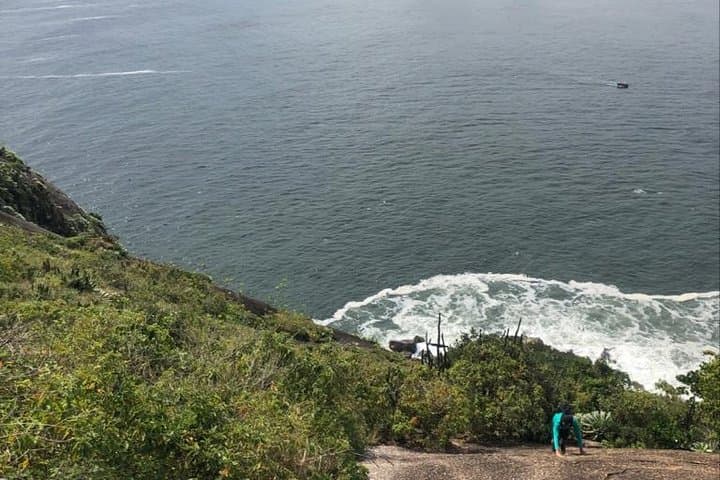
A morning on Rio’s Urca headlands begins with the sea pressing against granite and the city unfurling behind you — Copacabana’s arc, the green spill of Tijuca, and Christ the Redeemer watching from a distant ridge. The Ascent to Sugarloaf Mountain starts with a beginner’s rock-baptism on Morro da Babilônia: a guided 40‑meter top-rope climb that introduces harness, belay and footing on compact coastal rock.
A morning on Rio’s Urca headlands begins with the sea pressing against granite and the city unfurling behind you — Copacabana’s arc, the green spill of Tijuca, and Christ the Redeemer watching from a distant ridge. The Ascent to Sugarloaf Mountain starts with a beginner’s rock-baptism on Morro da Babilônia: a guided 40‑meter top-rope climb that introduces harness, belay and footing on compact coastal rock.
Sugarloaf (Pão de Açúcar) is a steep granite monolith formed by intrusive igneous processes; its vertical faces have drawn climbers since the 19th century. The route of conquest up the east face mixes steep hiking, a short 15‑meter assisted rope stretch and classic urban climbing culture — friendly guides, fixed anchors and busy lines of sight across Guanabara Bay. Cultural notes hang in the air: Portuguese colonial architecture in Urca, military batteries nearby, and cable car history (the original lift dates to 1912) that ties the climb to Rio’s tourist story.
Practically, the day is technical-outdoor-lite: expect slick rock in wet weather, sun exposure on exposed pitches, and short, steep approaches. Guides provide shoes, harness and helmet; climbers should bring 1–1.5L water, sun protection, good grippy shoes for trail approaches and a light snack.
Timing is everything — mornings reduce heat, light favors photo composition and crowds thin before midday. Respect local rules, follow the guide’s rope commands, and leave no trace: the rock is popular, fragile in places and alive with sea-breeze salts that demand careful footwork.