THE ADVENTURE COLLECTIVE® · Independent discovery and booking for outdoor travel

Climb the granite headlands of Pão de Açúcar from Praia Vermelha in a guided half-day that combines a short technical pitch with sweeping bay views and a cable-car descent to Morro da Urca. Expect rock, coastal forest, and strong sun.
Climb the granite headlands of Pão de Açúcar from Praia Vermelha in a guided half-day that combines a short technical pitch with sweeping bay views and a cable-car descent to Morro da Urca. Expect rock, coastal forest, and strong sun.
You start on the red sand of Praia Vermelha with Guanabara Bay opening up like a charged map. Waves thread the shore and the Claudio Coutinho trail climbs into Urca, shops and painted houses shrinking below as granite faces appear. The route alternates shaded forest steps with exposed headlands where the sea and wind have been carving the rock for millions of years; a short technical section requires a harness and rope handled by guides who manage the gear and the ropework.
Verified experiences and guided adventures in the surrounding area.
Operated by Rio Eco Trip · Rio de Janeiro, Rio de Janeiro
You start on the red sand of Praia Vermelha with Guanabara Bay opening up like a charged map. Waves thread the shore and the Claudio Coutinho trail climbs into Urca, shops and painted houses shrinking below as granite faces appear. The route alternates shaded forest steps with exposed headlands where the sea and wind have been carving the rock for millions of years; a short technical section requires a harness and rope handled by guides who manage the gear and the ropework.
Pão de Açúcar is a late-stage granite intrusion, a rounded monolith left after softer rock eroded away. The cable car that links Urca and Sugarloaf dates to the early 20th century and transformed access to these viewpoints, making them part of Rio's public life and tourist circuit. Urca itself keeps an old-school Carioca rhythm — waterfront kiosks, fishermen, and nighttime samba on weekends.
Expect roughly four hours on this loop: steady uphill on rock and dirt, a brief assisted climb, a summit pause at 396 meters, then a cable-car descent to Morro da Urca and an easy walk back to the beach. Bring sun protection and extra water; midday heat and reflected sunlight from the bay intensify exertion. Wear grippy shoes for slick granite, and plan for changing coastal weather — fog and wind can appear fast.
Practical tip: the technical pitch is short but exposed; listen to guides, keep packs compact, and stagger your timing to avoid cable car queues. Finish with a slow coffee in Urca and a final look at the city sprawled between sea and forest.
challenging.
4 hours.
Good cardiovascular fitness and leg strength; comfortable with sustained uphill and exposure.
Yes; the tour includes the cable car ride from the Pão de Açúcar peak to Morro da Urca as part of the itinerary.
No formal climbing certification is required, but participants should be comfortable with a short exposed climb and follow guide instructions.
Not recommended for pregnant travelers or people with serious back or heart conditions; the operator requests good overall fitness.
Tours can be canceled or rescheduled for safety in cases of heavy rain, high winds or poor visibility; check the 24‑hour cancellation policy.
The Pão de Açúcar cable car opened in 1912 and helped make Sugarloaf an accessible landmark; Urca developed as a working harbor neighborhood in the early 20th century.
Stick to defined trails, carry out all trash and avoid feeding wildlife; high foot traffic and coastal erosion are ongoing local concerns.
Rio Eco Trip operates guided outdoor trips and adventures with an emphasis on safety, stewardship, and memorable experiences.
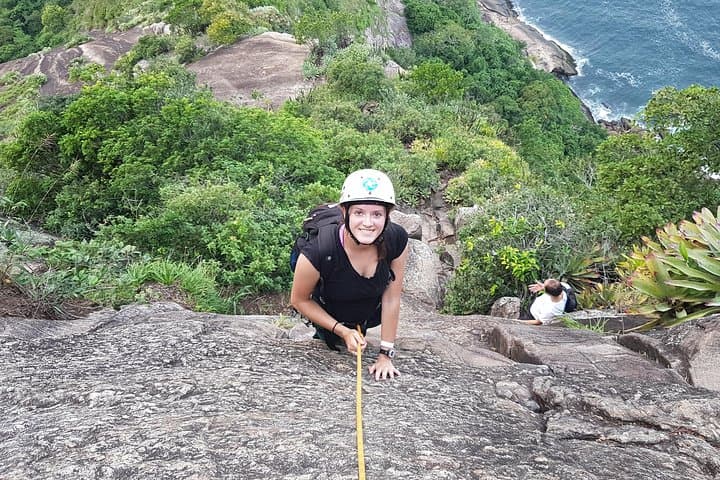
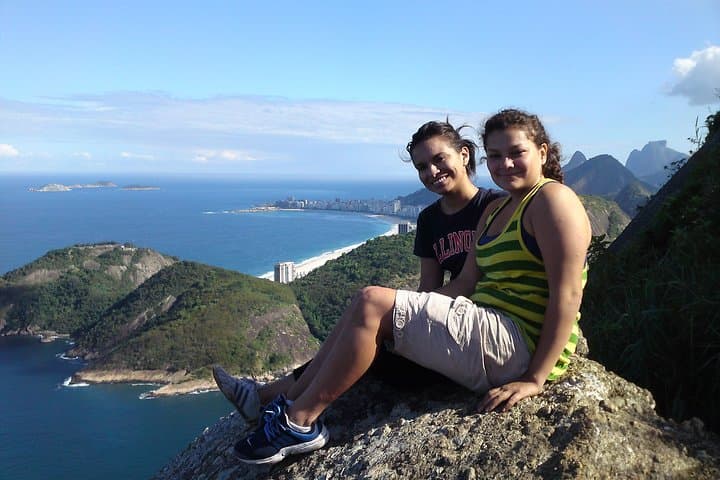
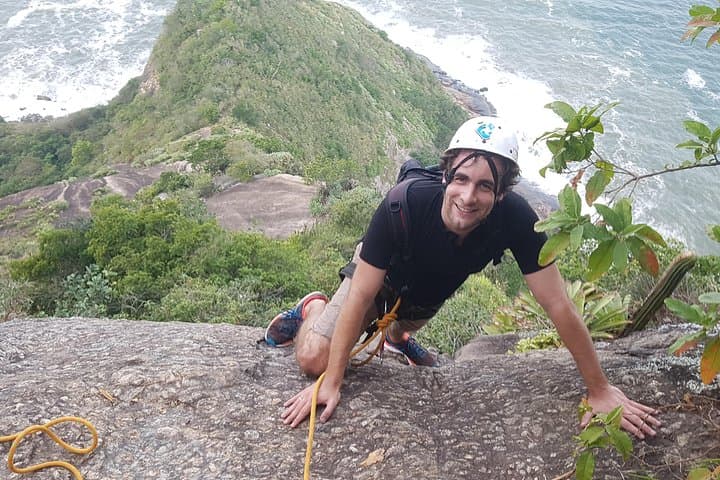
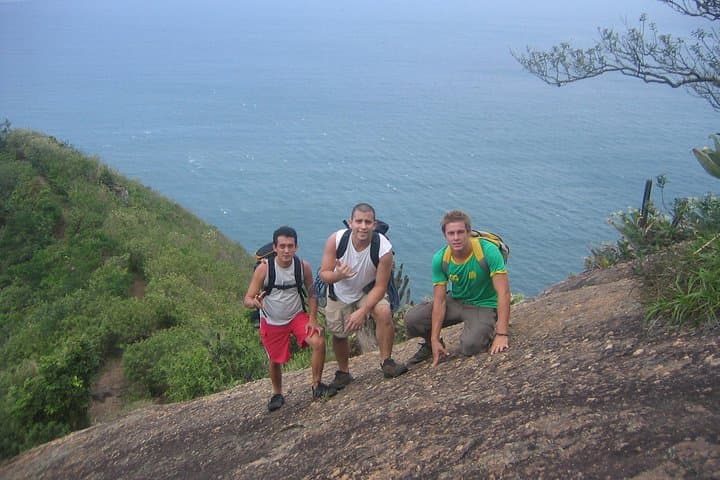
You start on the red sand of Praia Vermelha with Guanabara Bay opening up like a charged map. Waves thread the shore and the Claudio Coutinho trail climbs into Urca, shops and painted houses shrinking below as granite faces appear. The route alternates shaded forest steps with exposed headlands where the sea and wind have been carving the rock for millions of years; a short technical section requires a harness and rope handled by guides who manage the gear and the ropework.
You start on the red sand of Praia Vermelha with Guanabara Bay opening up like a charged map. Waves thread the shore and the Claudio Coutinho trail climbs into Urca, shops and painted houses shrinking below as granite faces appear. The route alternates shaded forest steps with exposed headlands where the sea and wind have been carving the rock for millions of years; a short technical section requires a harness and rope handled by guides who manage the gear and the ropework.
Pão de Açúcar is a late-stage granite intrusion, a rounded monolith left after softer rock eroded away. The cable car that links Urca and Sugarloaf dates to the early 20th century and transformed access to these viewpoints, making them part of Rio's public life and tourist circuit. Urca itself keeps an old-school Carioca rhythm — waterfront kiosks, fishermen, and nighttime samba on weekends.
Expect roughly four hours on this loop: steady uphill on rock and dirt, a brief assisted climb, a summit pause at 396 meters, then a cable-car descent to Morro da Urca and an easy walk back to the beach. Bring sun protection and extra water; midday heat and reflected sunlight from the bay intensify exertion. Wear grippy shoes for slick granite, and plan for changing coastal weather — fog and wind can appear fast.
Practical tip: the technical pitch is short but exposed; listen to guides, keep packs compact, and stagger your timing to avoid cable car queues. Finish with a slow coffee in Urca and a final look at the city sprawled between sea and forest.