THE ADVENTURE COLLECTIVE® · Independent discovery and booking for outdoor travel

Ride the historic cable car to Sugarloaf’s summits and stop at Arpoador for sweeping beach views and sunset shots. This guided 2–4 hour tour combines easy walking, panoramic photo stops, and accessible transport.
Ride the historic cable car to Sugarloaf’s summits and stop at Arpoador for sweeping beach views and sunset shots. This guided 2–4 hour tour combines easy walking, panoramic photo stops, and accessible transport.
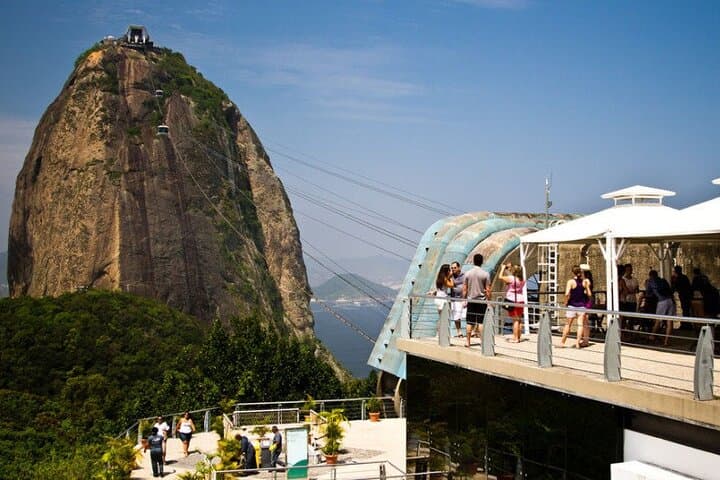
Your first step off an air‑conditioned van, and the city changes cadence: traffic fades, the Atlantic presses against the city, and Sugarloaf’s granite slopes stare down with a blunt, bright presence. The cable cars glide like quiet glass beads, carrying you up through salt spray and wind that seems to tug stories from the rocks.
Verified experiences and guided adventures in the surrounding area.
Operated by Tourist Club Agência de Turismo · Rio de Janeiro, Rio de Janeiro
Your first step off an air‑conditioned van, and the city changes cadence: traffic fades, the Atlantic presses against the city, and Sugarloaf’s granite slopes stare down with a blunt, bright presence. The cable cars glide like quiet glass beads, carrying you up through salt spray and wind that seems to tug stories from the rocks.
Sugarloaf (Pão de Açúcar) became an icon in the early 20th century when the first cable car opened in 1912; the rounded granite domes are remnants of ancient intrusions shaped by coastal erosion and the relentless Atlantic climate. Urca’s low-rise neighborhood still remembers the old ferry schedules and fishermen’s rhythms; at Arpoador the ocean counts time by sets and sunsets, daring photographers and surfers alike.
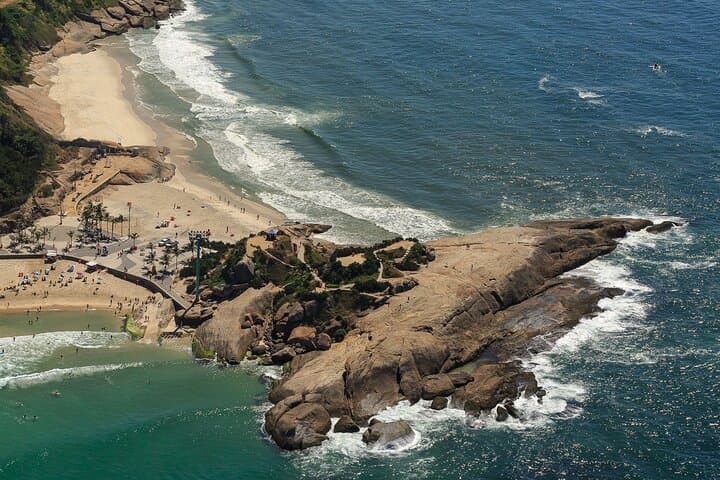
On this standard tour expect guided access to Morro da Urca and the second summit of Pão de Açúcar via the historic cable car, plus a panoramic stop at Praia do Arpoador with sweeping views of Copacabana and Ipanema. The route is largely accessible and suitable for most fitness levels; you’ll stand, take short walks, and wait for photo windows more than hike steep trails.
Practical pointers: book early-morning or late-afternoon slots for softer light and fewer crowds, carry sun protection and a refillable water bottle, and secure valuables—popular viewpoints attract pickpockets. Mobile tickets and guide-led admission are included; the operator offers wheelchair access and air‑conditioned transport. Allow 2–4 hours for the experience, bring a camera or phone with charged battery, and leave time afterward to stroll Urca’s quieter streets or watch Arpoador’s sunset ritual.
easy.
2–4 hours.
Suitable for most people who can stand and walk short distances; minimal climbing required
Yes—this tour includes guide-led admission to Morro da Urca and the second summit of Pão de Açúcar via the cable car.
Expect about 2–4 hours from pickup to drop-off, depending on traffic and how long you spend at each viewpoint.
The operator notes wheelchair accessibility for parts of the tour—confirm pickup logistics and specific needs at booking.
Yes—Panoramic stops provide sweeping views of Copacabana and Ipanema; Arpoador offers close-in perspectives for sunset photography.
The Sugarloaf cable car opened in 1912 and quickly became a symbol of Rio’s modern leisure culture, connecting the harbor, Urca, and the rounded granitic peaks.
The area balances heavy tourism with coastal conservation; stay on designated platforms, avoid feeding wildlife, and pack out trash to protect the fragile shoreline ecosystems.
Tourist Club Agência de Turismo operates guided outdoor trips and adventures with an emphasis on safety, stewardship, and memorable experiences.
Your first step off an air‑conditioned van, and the city changes cadence: traffic fades, the Atlantic presses against the city, and Sugarloaf’s granite slopes stare down with a blunt, bright presence. The cable cars glide like quiet glass beads, carrying you up through salt spray and wind that seems to tug stories from the rocks.
Your first step off an air‑conditioned van, and the city changes cadence: traffic fades, the Atlantic presses against the city, and Sugarloaf’s granite slopes stare down with a blunt, bright presence. The cable cars glide like quiet glass beads, carrying you up through salt spray and wind that seems to tug stories from the rocks.
Sugarloaf (Pão de Açúcar) became an icon in the early 20th century when the first cable car opened in 1912; the rounded granite domes are remnants of ancient intrusions shaped by coastal erosion and the relentless Atlantic climate. Urca’s low-rise neighborhood still remembers the old ferry schedules and fishermen’s rhythms; at Arpoador the ocean counts time by sets and sunsets, daring photographers and surfers alike.
On this standard tour expect guided access to Morro da Urca and the second summit of Pão de Açúcar via the historic cable car, plus a panoramic stop at Praia do Arpoador with sweeping views of Copacabana and Ipanema. The route is largely accessible and suitable for most fitness levels; you’ll stand, take short walks, and wait for photo windows more than hike steep trails.
Practical pointers: book early-morning or late-afternoon slots for softer light and fewer crowds, carry sun protection and a refillable water bottle, and secure valuables—popular viewpoints attract pickpockets. Mobile tickets and guide-led admission are included; the operator offers wheelchair access and air‑conditioned transport. Allow 2–4 hours for the experience, bring a camera or phone with charged battery, and leave time afterward to stroll Urca’s quieter streets or watch Arpoador’s sunset ritual.