THE ADVENTURE COLLECTIVE® · Independent discovery and booking for outdoor travel

Ride the cable car to Sugarloaf for sweeping city and bay views, then slip into Tijuca National Park to experience one of the largest urban forests on Earth. This private five-hour tour pairs short, accessible walks with high-impact viewpoints and local natural history.
Ride the cable car to Sugarloaf for sweeping city and bay views, then slip into Tijuca National Park to experience one of the largest urban forests on Earth. This private five-hour tour pairs short, accessible walks with high-impact viewpoints and local natural history.
You step out of a private van and the Atlantic wind immediately rearranges your hair, carrying the city’s smells — salt, coffee, and warm asphalt — toward the granite face of Sugarloaf.
Verified experiences and guided adventures in the surrounding area.
Operated by Brazil Trip Turismo · Rio de Janeiro, Rio de Janeiro
You step out of a private van and the Atlantic wind immediately rearranges your hair, carrying the city’s smells — salt, coffee, and warm asphalt — toward the granite face of Sugarloaf.
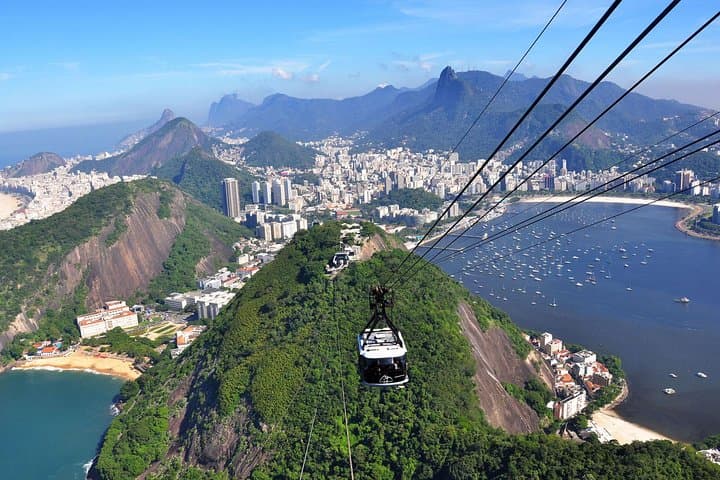
A short cable-car ride slices upward through mist to the summit at roughly 396 meters (1,299 ft), where Rio unfolds below: Guanabara Bay curves like a waiting arm and the ocean pushes bright light across the water. Sugarloaf’s bare granite compels a slow, deliberate stare; the rock has been weathered into smooth faces that reflect the sun and lure photographers and geology fans alike.
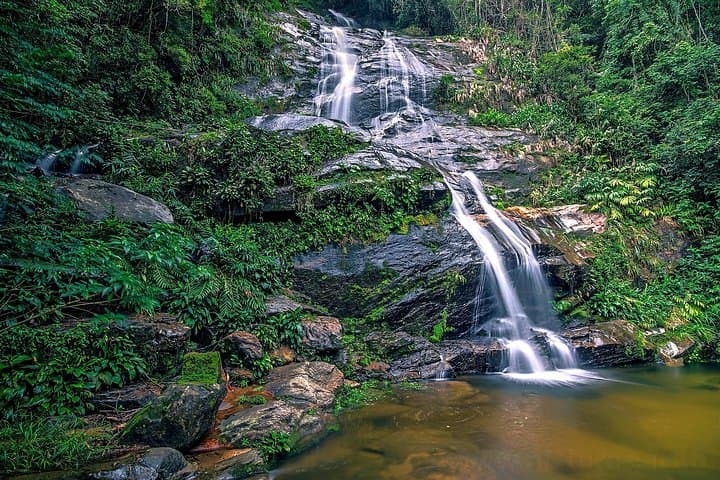
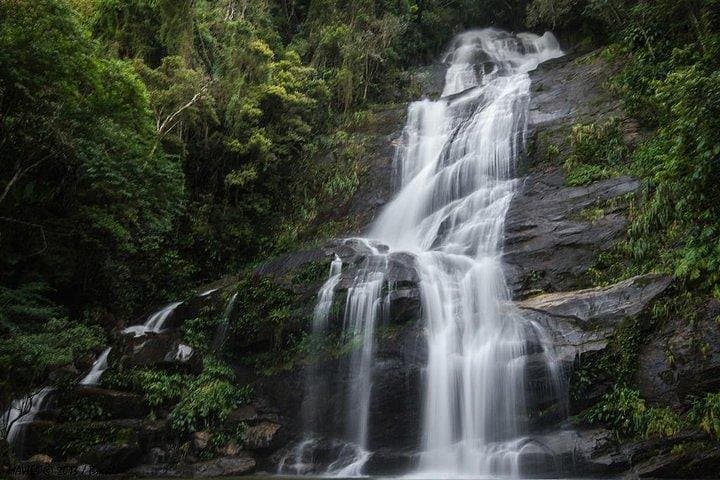
Then the guide drives into Tijuca National Park, one of the world’s largest urban forests (about 32 km²). The forest stands on reclaimed coffee and tea plantations that were replanted in the 19th century to restore local watersheds. Trails and service roads thread through dense Atlantic Forest, past waterfalls and viewpoints like the Vista Chinesa, and up toward peaks where the city’s geology gives way to rich soils and living canopy.
Expect short paved approaches, some uneven forest paths, and modest elevation changes on viewpoints; Pico da Tijuca is the park’s high point (around 1,020 m) though this tour focuses on accessible overlooks and shorter walks.
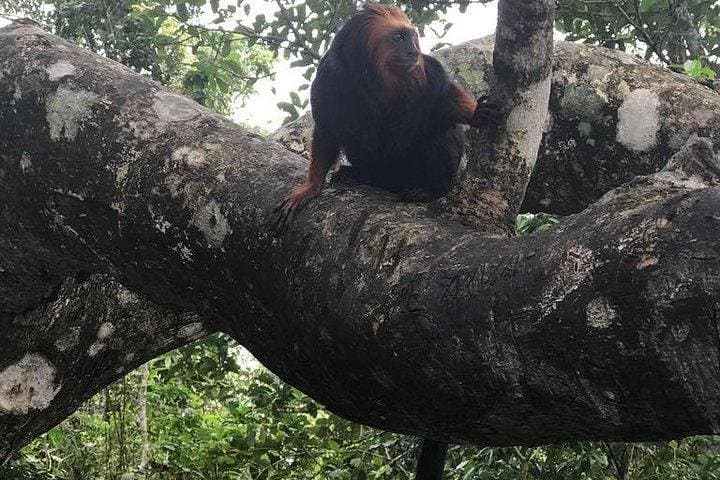
Practical edge: schedule the morning for clearer skies on Sugarloaf, bring a light rain shell for tropical squalls, and carry binoculars for toucans and squirrel monkeys. The private format means flexible pacing — you’ll trade long hikes for curated nature stops and elevated city perspectives.
easy.
5 hours.
Suitable for most fitness levels; requires short walks on paved and dirt trails and standing during viewpoint stops.
Yes — the itinerary includes admission for the cable-car stages to Morro da Urca and Sugarloaf as noted in the tour inclusions.
Yes — the supplier lists wheelchair and stroller accessibility and notes the tour is suitable for all fitness levels; notify the operator in advance if you need assistance.
Hotel pickup and drop-off are included; airport pickup is available for an additional cost — confirm during booking and provide flight details if needed.
If cloud cover limits visibility, guides often adjust timing or extend stops in Tijuca; cancellation rules allow a full refund if canceled 24 hours prior, but bad-weather changes are at the operator’s discretion.
Tijuca was replanted in the 19th century to restore water supply to Rio after deforestation; Sugarloaf’s cable car dates to 1912 and is one of the oldest urban aerial tramways.
Tijuca National Park is managed to protect Atlantic Forest remnants and urban watersheds; visitors should stay on marked paths and avoid feeding wildlife to minimize impact.
Brazil Trip Turismo operates guided outdoor trips and adventures with an emphasis on safety, stewardship, and memorable experiences.
You step out of a private van and the Atlantic wind immediately rearranges your hair, carrying the city’s smells — salt, coffee, and warm asphalt — toward the granite face of Sugarloaf.
You step out of a private van and the Atlantic wind immediately rearranges your hair, carrying the city’s smells — salt, coffee, and warm asphalt — toward the granite face of Sugarloaf.
A short cable-car ride slices upward through mist to the summit at roughly 396 meters (1,299 ft), where Rio unfolds below: Guanabara Bay curves like a waiting arm and the ocean pushes bright light across the water. Sugarloaf’s bare granite compels a slow, deliberate stare; the rock has been weathered into smooth faces that reflect the sun and lure photographers and geology fans alike.
Then the guide drives into Tijuca National Park, one of the world’s largest urban forests (about 32 km²). The forest stands on reclaimed coffee and tea plantations that were replanted in the 19th century to restore local watersheds. Trails and service roads thread through dense Atlantic Forest, past waterfalls and viewpoints like the Vista Chinesa, and up toward peaks where the city’s geology gives way to rich soils and living canopy.
Expect short paved approaches, some uneven forest paths, and modest elevation changes on viewpoints; Pico da Tijuca is the park’s high point (around 1,020 m) though this tour focuses on accessible overlooks and shorter walks.
Practical edge: schedule the morning for clearer skies on Sugarloaf, bring a light rain shell for tropical squalls, and carry binoculars for toucans and squirrel monkeys. The private format means flexible pacing — you’ll trade long hikes for curated nature stops and elevated city perspectives.