THE ADVENTURE COLLECTIVE® · Independent discovery and booking for outdoor travel

Ride the historic Bondinho to the summit of Sugarloaf Mountain for panoramic views of Copacabana, Guanabara Bay, and the Atlantic. This official ticket streamlines access and lets you explore the lookout, restaurants, and terraces at your own pace.
Ride the historic Bondinho to the summit of Sugarloaf Mountain for panoramic views of Copacabana, Guanabara Bay, and the Atlantic. This official ticket streamlines access and lets you explore the lookout, restaurants, and terraces at your own pace.
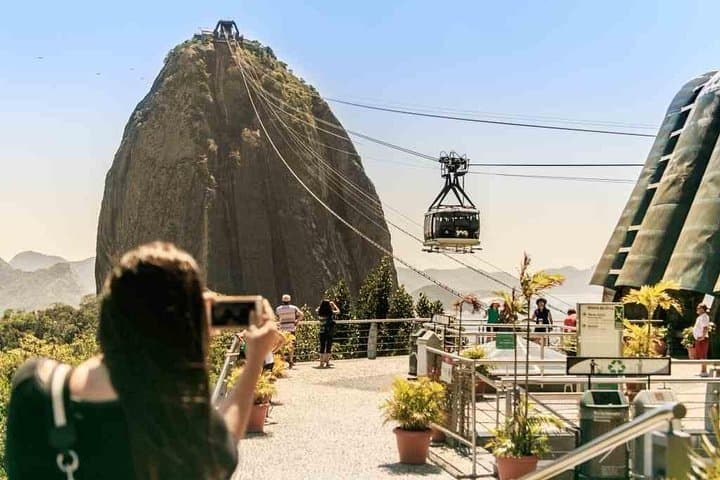
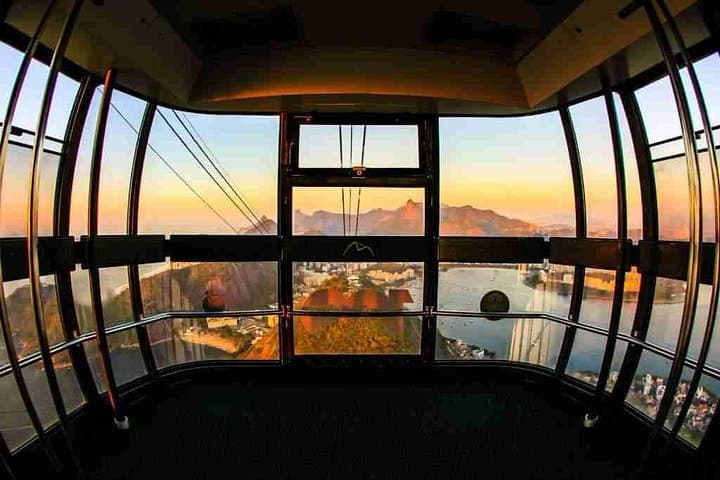
The cable car rises and the city unfolds: Copacabana's curve, the green of Tijuca Forest, and Guanabara Bay pressing bright and restless against the shore. Riding the Bondinho up Morro da Urca toward Sugarloaf Mountain is less a commute than a sequence of framed panoramas — the Atlantic daring you to look farther.
Verified experiences and guided adventures in the surrounding area.
Operated by Ingresso com Desconto · Rio de Janeiro, Rio de Janeiro
The cable car rises and the city unfolds: Copacabana's curve, the green of Tijuca Forest, and Guanabara Bay pressing bright and restless against the shore. Riding the Bondinho up Morro da Urca toward Sugarloaf Mountain is less a commute than a sequence of framed panoramas — the Atlantic daring you to look farther.
Sugarloaf is a granite and quartz monolith carved by deep-time geology and coastal weathering; sailors gave it its name for the cone-shaped loaves of sugar common in the colonial trade. The first cable car to Morro da Urca opened in 1912, making this one of the world's earliest urban aerial lifts and a century-old bridge between Rio's maritime culture and its modern tourist life.
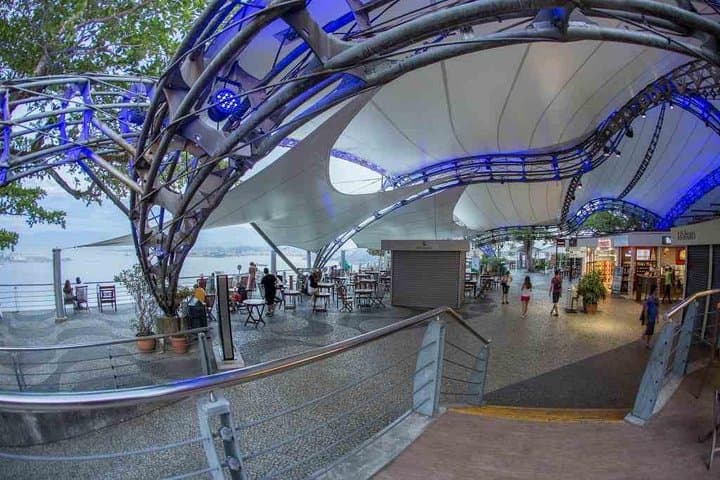
On arrival, visitors can wander the summit terraces, photograph Copacabana and Christ the Redeemer across the bay, or grab a snack at the small food court. The site is wheelchair-accessible and family-friendly; the official ticket offers exchange at the office and open return on the same day.
Practical guide: arrive early or late afternoon to avoid peak crowds and to catch golden or blue-hour light. Bring sun protection and a light layer — coastal winds can be sharp at the top. Security and ticket exchange are straightforward, but expect brief waits even with skip-the-line tickets. The cable car runs in most weather; operators may suspend service in dangerous conditions. Leave no trace: stay on paved areas, dispose of waste, and avoid feeding wildlife to protect the fragile coastal ecosystem.
easy.
2–4 hours (allow extra time for lines and exploring).
Suitable for all fitness levels; involves short walks and some stairs at viewpoints.
Yes — head to the official ticket office at the cable car base to exchange your mobile or printed voucher for an entry ticket before boarding.
Yes — the ride and summit areas are wheelchair-accessible, with accessible surfaces and transportation options noted by the operator.
Yes — the official ticket allows for return cable car rides the same day; you can spend as much time as you wish at the summit before descending.
The cable car operates in most weather, but operators may pause service during thunderstorms or dangerously strong winds; refunds follow the provider's cancellation policy if you cancel 24+ hours in advance.
The Bondinho was inaugurated in the early 20th century and quickly became an iconic symbol of Rio; the granite peak itself is an ancient intrusive formation shaped by coastal erosion.
High visitor numbers demand careful stewardship — stick to paved areas, pack out trash, and avoid feeding wildlife to protect the coastal ecosystem.
Ingresso com Desconto operates guided outdoor trips and adventures with an emphasis on safety, stewardship, and memorable experiences.

The cable car rises and the city unfolds: Copacabana's curve, the green of Tijuca Forest, and Guanabara Bay pressing bright and restless against the shore. Riding the Bondinho up Morro da Urca toward Sugarloaf Mountain is less a commute than a sequence of framed panoramas — the Atlantic daring you to look farther.
The cable car rises and the city unfolds: Copacabana's curve, the green of Tijuca Forest, and Guanabara Bay pressing bright and restless against the shore. Riding the Bondinho up Morro da Urca toward Sugarloaf Mountain is less a commute than a sequence of framed panoramas — the Atlantic daring you to look farther.
Sugarloaf is a granite and quartz monolith carved by deep-time geology and coastal weathering; sailors gave it its name for the cone-shaped loaves of sugar common in the colonial trade. The first cable car to Morro da Urca opened in 1912, making this one of the world's earliest urban aerial lifts and a century-old bridge between Rio's maritime culture and its modern tourist life.
On arrival, visitors can wander the summit terraces, photograph Copacabana and Christ the Redeemer across the bay, or grab a snack at the small food court. The site is wheelchair-accessible and family-friendly; the official ticket offers exchange at the office and open return on the same day.
Practical guide: arrive early or late afternoon to avoid peak crowds and to catch golden or blue-hour light. Bring sun protection and a light layer — coastal winds can be sharp at the top. Security and ticket exchange are straightforward, but expect brief waits even with skip-the-line tickets. The cable car runs in most weather; operators may suspend service in dangerous conditions. Leave no trace: stay on paved areas, dispose of waste, and avoid feeding wildlife to protect the fragile coastal ecosystem.