THE ADVENTURE COLLECTIVE® · Independent discovery and booking for outdoor travel

Ride the classic Sugarloaf cable car, tour AquaRio’s marine exhibits and meet wildlife at BioParque in a single full-day loop around Rio’s natural highlights. This tour pairs sweeping city views with close-up encounters for a varied, family-friendly day.
Ride the classic Sugarloaf cable car, tour AquaRio’s marine exhibits and meet wildlife at BioParque in a single full-day loop around Rio’s natural highlights. This tour pairs sweeping city views with close-up encounters for a varied, family-friendly day.
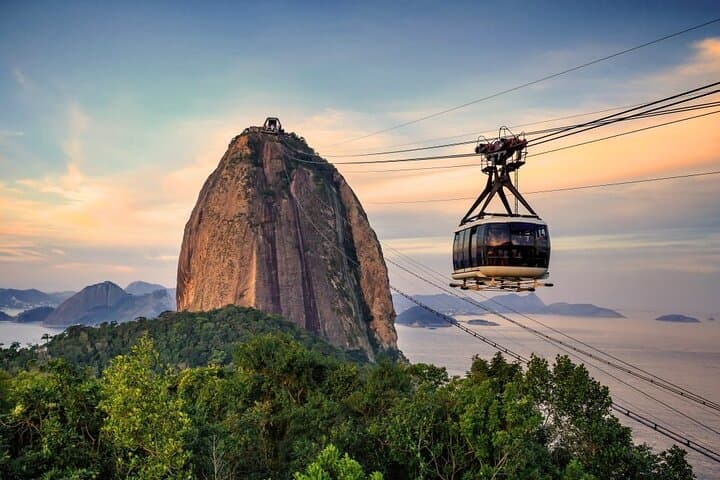
A morning light slices across Guanabara Bay as the jeep climbs into Urca, the rock faces of Sugarloaf looming like an old harbor guard. Riders step into the glass cable car and rise, the city loosening beneath them: tiled roofs, shipping cranes, and the Atlantic stretching toward distant headlands. The ride gives way to panoramic ledges where wind and sea air demand a pause.
Verified experiences and guided adventures in the surrounding area.
Operated by Rio 40 Graus Turismo · Rio de Janeiro, Rio de Janeiro
A morning light slices across Guanabara Bay as the jeep climbs into Urca, the rock faces of Sugarloaf looming like an old harbor guard. Riders step into the glass cable car and rise, the city loosening beneath them: tiled roofs, shipping cranes, and the Atlantic stretching toward distant headlands. The ride gives way to panoramic ledges where wind and sea air demand a pause.
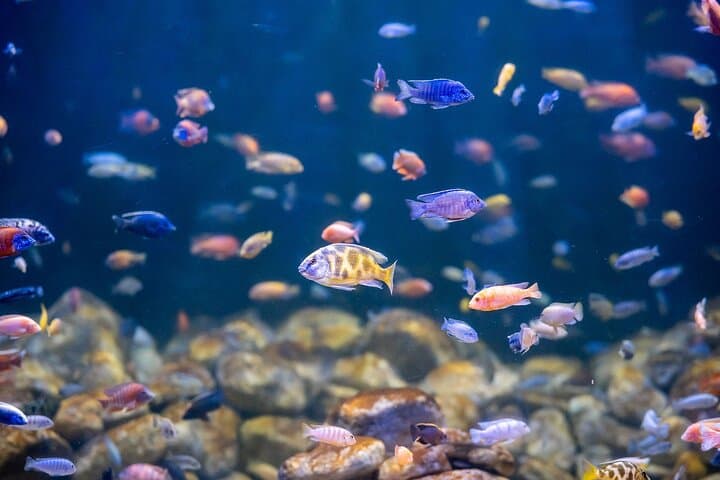
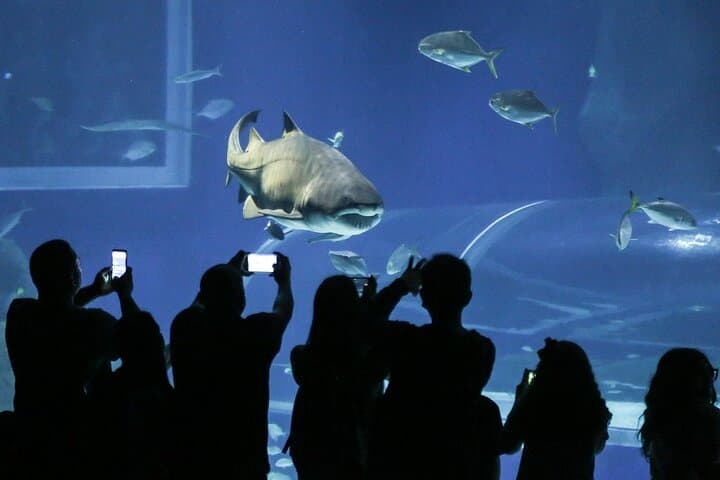
This combined tour threads three different stories of Rio de Janeiro. Sugarloaf (Pão de Açúcar) is a granite monolith sculpted by coastal erosion over millions of years and made accessible by a century-old cable car system. AquaRio interprets the region’s marine biodiversity inside one of South America's largest aquariums, showcasing Guanabara Bay species and tropical reef life. BioParque offers a controlled encounter with native and regional fauna, focusing on conservation and rehabilitation rather than spectacle.
Culturally, the route passes Urca’s low-slung neighborhood—early 20th-century buildings, cafés, and a measured pace that contrasts with the city’s samba pulse. The geology of the bay, with its steep inselbergs and sheltered waters, shapes both settlement and biodiversity here.
Practical guidance: wear sturdy walking shoes for paved and uneven viewpoints, bring sun protection and a refillable water bottle, and expect several short walks with stairs and viewing platforms. Timing matters—mornings and late afternoons offer the best light and cooler air. Travelers should respect posted rules at wildlife exhibits, avoid feeding animals, and follow guide instructions for a smooth, informative day in Rio’s wild and urban edges.
easy.
7 hours.
Suitable for most fitness levels; involves short walks, stairs and standing at viewpoints—no sustained hiking required.
Yes—admission to the cable car, AquaRio and BioParque are included as part of the tour per the itinerary.
The tour runs about seven hours and includes a lunch stop as noted in the inclusions.
Yes; the tour is family-friendly and described as physically easy, but it is not recommended for people with serious back, heart, or pregnancy-related restrictions.
Operators will contact travelers to confirm pickup location and time; the booking requires you to provide a pickup point and full names as requested.
Sugarloaf’s cable car began operating in the early 20th century and helped open Rio’s coastal granite peaks to mass tourism; the area around Guanabara Bay has been a focal point of settlement and maritime trade for centuries.
AquaRio and BioParque emphasize education and rehabilitation—follow guides’ rules, avoid feeding wildlife, and choose operators that support local conservation efforts.
Rio 40 Graus Turismo operates guided outdoor trips and adventures with an emphasis on safety, stewardship, and memorable experiences.

A morning light slices across Guanabara Bay as the jeep climbs into Urca, the rock faces of Sugarloaf looming like an old harbor guard. Riders step into the glass cable car and rise, the city loosening beneath them: tiled roofs, shipping cranes, and the Atlantic stretching toward distant headlands. The ride gives way to panoramic ledges where wind and sea air demand a pause.
A morning light slices across Guanabara Bay as the jeep climbs into Urca, the rock faces of Sugarloaf looming like an old harbor guard. Riders step into the glass cable car and rise, the city loosening beneath them: tiled roofs, shipping cranes, and the Atlantic stretching toward distant headlands. The ride gives way to panoramic ledges where wind and sea air demand a pause.
This combined tour threads three different stories of Rio de Janeiro. Sugarloaf (Pão de Açúcar) is a granite monolith sculpted by coastal erosion over millions of years and made accessible by a century-old cable car system. AquaRio interprets the region’s marine biodiversity inside one of South America's largest aquariums, showcasing Guanabara Bay species and tropical reef life. BioParque offers a controlled encounter with native and regional fauna, focusing on conservation and rehabilitation rather than spectacle.
Culturally, the route passes Urca’s low-slung neighborhood—early 20th-century buildings, cafés, and a measured pace that contrasts with the city’s samba pulse. The geology of the bay, with its steep inselbergs and sheltered waters, shapes both settlement and biodiversity here.
Practical guidance: wear sturdy walking shoes for paved and uneven viewpoints, bring sun protection and a refillable water bottle, and expect several short walks with stairs and viewing platforms. Timing matters—mornings and late afternoons offer the best light and cooler air. Travelers should respect posted rules at wildlife exhibits, avoid feeding animals, and follow guide instructions for a smooth, informative day in Rio’s wild and urban edges.