THE ADVENTURE COLLECTIVE® · Independent discovery and booking for outdoor travel

Climb Sugarloaf’s short but steep trails and scramble a 12‑meter granite section before riding the cable car down to Morro da Urca. A guided 3–4 hour outing that pairs coastal forest, exposed granite and sweeping views of Guanabara Bay.
Climb Sugarloaf’s short but steep trails and scramble a 12‑meter granite section before riding the cable car down to Morro da Urca. A guided 3–4 hour outing that pairs coastal forest, exposed granite and sweeping views of Guanabara Bay.
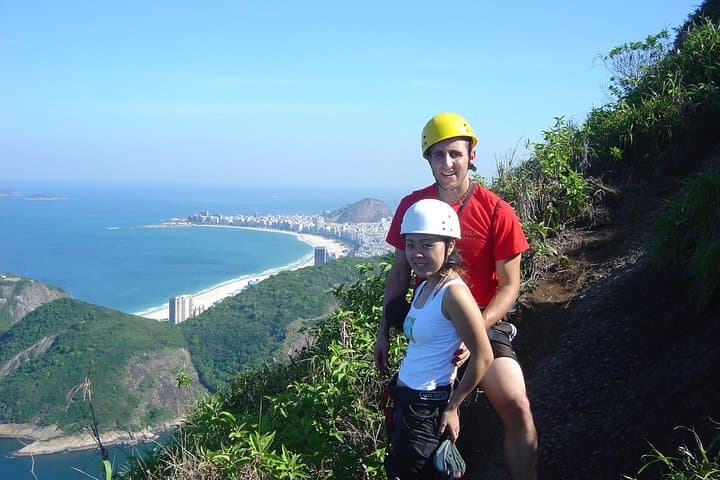
The path begins at the left edge of Praia Vermelha, where the city’s heat meets Atlantic spray and the granite face of Sugarloaf rises like a raw, vertical island.
Verified experiences and guided adventures in the surrounding area.
Operated by Crux Eco · Rio de Janeiro, Rio de Janeiro
The path begins at the left edge of Praia Vermelha, where the city’s heat meets Atlantic spray and the granite face of Sugarloaf rises like a raw, vertical island.
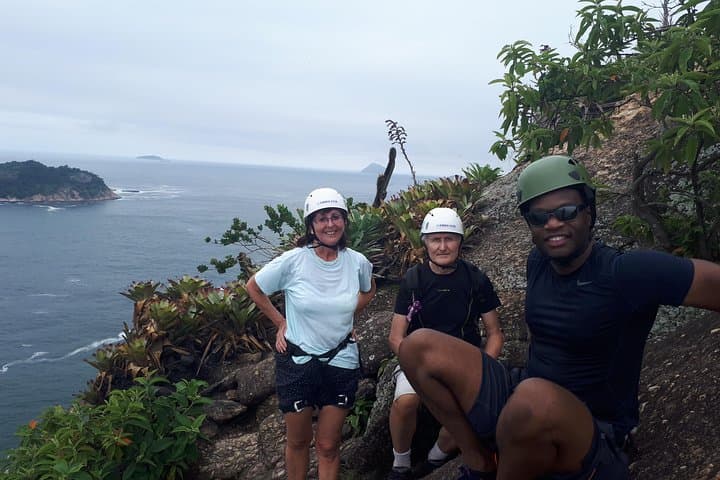
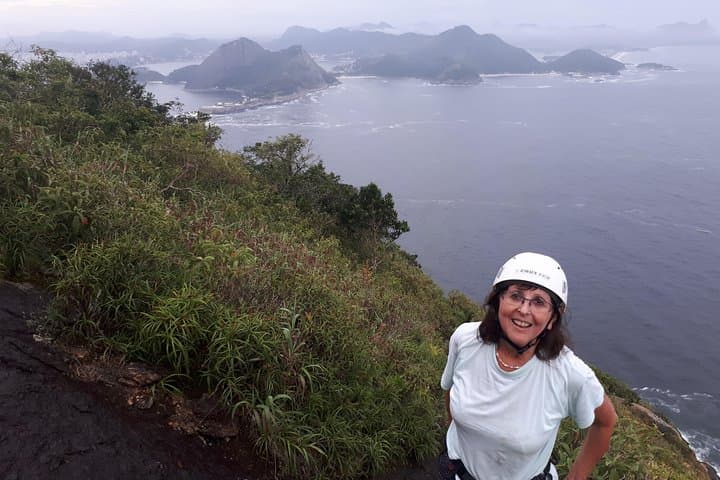
Guides lead small groups up the shaded Claudio Coutinho path, a short but steep half-mile that threads through coastal forest and powers up toward exposed granite slabs. Along the way you pass ferns, lianas and the occasional view through the canopy of Guanabara Bay—Pelourinho and Rio’s skyline keeping a silent watch.
Geologically the peak is a hard, rounded granite monolith carved by erosion over hundreds of millions of years; culturally it’s one of Rio’s most recognizable landmarks, long used as a lookout by indigenous peoples and later as a beacon in colonial charts. Morro da Urca, the lower knob reached by the first cable car, is a mid-point with its own viewpoints and cafes.
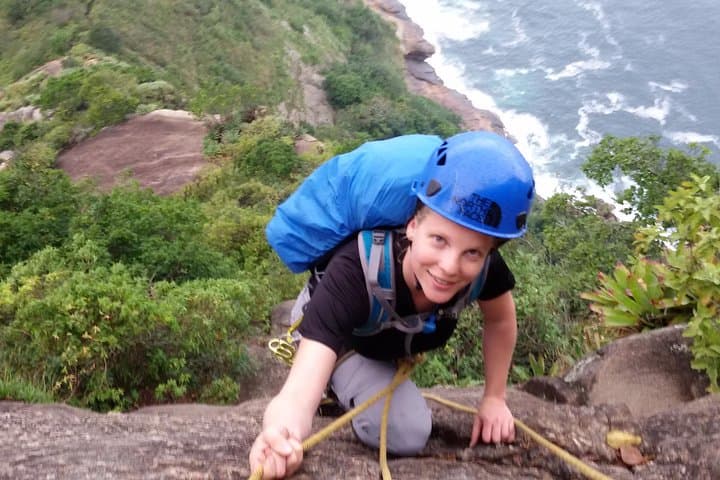
The final approach includes a 12-meter rocky section that requires basic scrambling and steady footing; guides provide equipment and coaching. The ascent is active and exposed, the descent amplified by a complimentary cable-car trip down to Morro da Urca, after which you usually follow a trail back toward Praia Vermelha.
Practical edge: start early to avoid midday sun, wear sturdy sneakers, carry at least 1–2 liters of water, sunscreen and insect repellent. This tour demands a high level of fitness and is not recommended for pregnant travelers or those with serious spinal or heart conditions. Expect 3–4 hours round-trip with varied terrain—forest shade, rock scrambling and an iconic cable-car finale that leaves you with sweeping panoramic memories of Rio.
challenging.
3–4 hours.
Good cardiovascular fitness and leg strength; comfortable with short exposed scrambles and uneven terrain.
The full experience typically takes about 3–4 hours, including the guided hike, the 12 m scramble and the included cable car descent to Morro da Urca.
No technical climbing certification is required; the route includes a short, guided scramble and all necessary equipment and instruction are provided.
Minimum age is 12; the tour is not recommended for pregnant travelers or those with serious spinal or heart conditions and requires good physical fitness.
This tour includes a complimentary cable-car ride to Morro da Urca on the descent; the itinerary uses the trail and cable-car combination as described by the operator.
Sugarloaf served as a navigational landmark for indigenous peoples and colonial sailors; the first cable car opened here in 1912, making it an early tourist attraction.
Stay on marked trails to protect coastal forest understory and avoid disturbing local wildlife; operators typically follow park rules to minimize erosion and litter.
Crux Eco operates guided outdoor trips and adventures with an emphasis on safety, stewardship, and memorable experiences.
The path begins at the left edge of Praia Vermelha, where the city’s heat meets Atlantic spray and the granite face of Sugarloaf rises like a raw, vertical island.
The path begins at the left edge of Praia Vermelha, where the city’s heat meets Atlantic spray and the granite face of Sugarloaf rises like a raw, vertical island.
Guides lead small groups up the shaded Claudio Coutinho path, a short but steep half-mile that threads through coastal forest and powers up toward exposed granite slabs. Along the way you pass ferns, lianas and the occasional view through the canopy of Guanabara Bay—Pelourinho and Rio’s skyline keeping a silent watch.
Geologically the peak is a hard, rounded granite monolith carved by erosion over hundreds of millions of years; culturally it’s one of Rio’s most recognizable landmarks, long used as a lookout by indigenous peoples and later as a beacon in colonial charts. Morro da Urca, the lower knob reached by the first cable car, is a mid-point with its own viewpoints and cafes.
The final approach includes a 12-meter rocky section that requires basic scrambling and steady footing; guides provide equipment and coaching. The ascent is active and exposed, the descent amplified by a complimentary cable-car trip down to Morro da Urca, after which you usually follow a trail back toward Praia Vermelha.
Practical edge: start early to avoid midday sun, wear sturdy sneakers, carry at least 1–2 liters of water, sunscreen and insect repellent. This tour demands a high level of fitness and is not recommended for pregnant travelers or those with serious spinal or heart conditions. Expect 3–4 hours round-trip with varied terrain—forest shade, rock scrambling and an iconic cable-car finale that leaves you with sweeping panoramic memories of Rio.