THE ADVENTURE COLLECTIVE® · Independent discovery and booking for outdoor travel

Camp two nights on Oman’s Sugar Dunes at Al Khaluf where bright white sand meets the sea. This short guide explains what to expect—terrain, local culture, and the practical gear and timing needed to enjoy a safe, low-impact desert camp.
Camp two nights on Oman’s Sugar Dunes at Al Khaluf where bright white sand meets the sea. This short guide explains what to expect—terrain, local culture, and the practical gear and timing needed to enjoy a safe, low-impact desert camp.
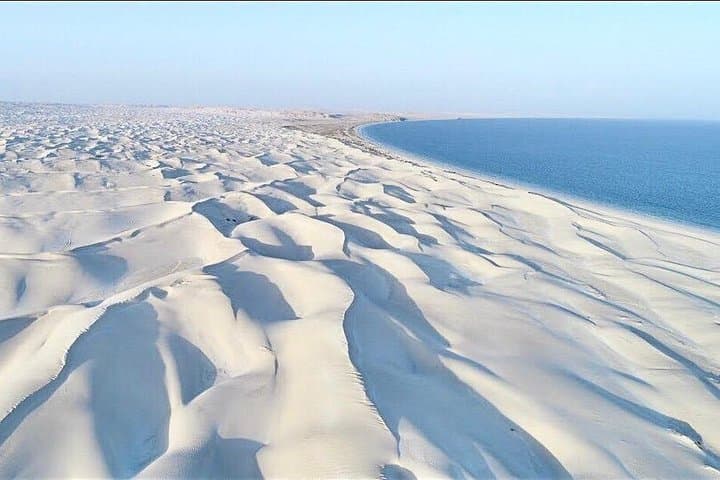
You arrive as the ocean wind sculpts a fresh ridge—each gust pushing the Sugar Dunes into new shapes while the shore glitters like crushed shell. The white sands of Al Khaluf feel cool in morning light and treacherously soft by noon; walking leaves the slow, satisfying collapse of footsteps and the constant hush of wind.
Verified experiences and guided adventures in the surrounding area.
Operated by GidOman · Al Khaluf, Dhofar
You arrive as the ocean wind sculpts a fresh ridge—each gust pushing the Sugar Dunes into new shapes while the shore glitters like crushed shell. The white sands of Al Khaluf feel cool in morning light and treacherously soft by noon; walking leaves the slow, satisfying collapse of footsteps and the constant hush of wind.
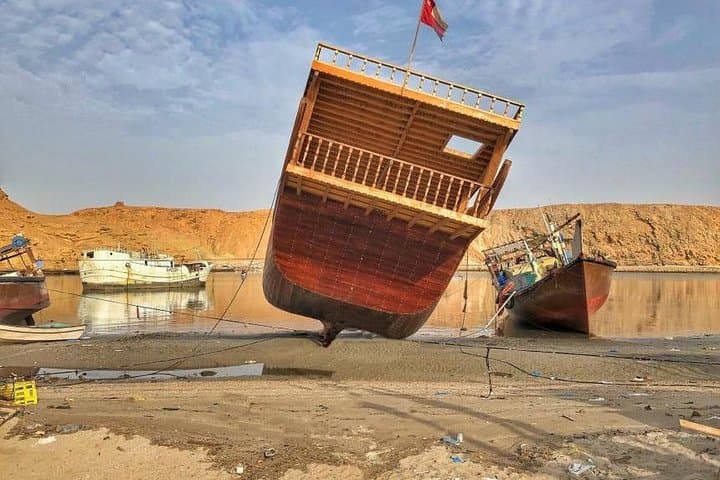
Geologically the dunes are coastal, made largely of broken coral and shell fragments washed and ground into brilliant white sand, then piled and reshaped by persistent onshore winds. The dunes sit beside a tiny fishing village where dhow-building and date palms mark a coastal culture shaped by sea and sand. Historically this stretch served local fishers and dhow crews; nearby Sur preserves that maritime craft tradition in its boatyards.
Expect a hands-on desert camping experience: tent setup on sand, wind-tested cooking, and the odd challenge of soft dunes that eat vehicle traction. The terrain is open white sand with little vegetation, subject to sudden wind gusts and shifting ridgelines. Night brings a wide southern sky, cool air, and the sound of waves nudging the shore.
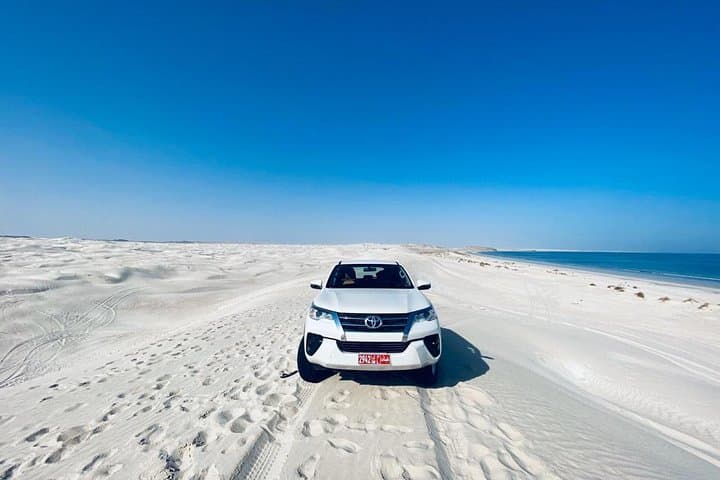
Practical guidance: travel here in a capable 4x4 and plan for long drives—the nearest city for services is Salalah. Bring extra water, sun protection, and layered clothing for sharp temperature swings. Time your visit for early morning or late afternoon travel on the dunes to avoid peak heat and to minimize getting stuck. Respect nesting lines and local communities; the landscape is fragile and constantly moving, so leave no trace and follow your guide's route.
moderate.
2 days.
Basic to moderate fitness for walking on soft sand, setting camp and managing uneven footing.
Access requires a long drive from Salalah or Muscat; most visitors join a guided tour with a 4x4 transfer—routes cross soft sand and coastal tracks.
Yes—expect basic camping: beach tents, shared facilities are minimal, and campers should be prepared for wind, sand, and self-sufficiency.
Soft, moving dunes increase risk of vehicles becoming stuck and make walking more strenuous; always travel with a capable vehicle and experienced driver.
You may spot shorebirds, occasional desert foxes, and on nearby beaches seasonal turtle nesting—observe from a distance and follow local guidance.
The coastline around Al Khaluf has long been linked to small-scale fishing and dhow construction; nearby Sur remains a center for traditional boatbuilding.
The dunes and adjacent shore are dynamic and sensitive—avoid driving off established tracks, pack out all waste, and respect marked nesting sites to reduce impact.
GidOman operates guided outdoor trips and adventures with an emphasis on safety, stewardship, and memorable experiences.
You arrive as the ocean wind sculpts a fresh ridge—each gust pushing the Sugar Dunes into new shapes while the shore glitters like crushed shell. The white sands of Al Khaluf feel cool in morning light and treacherously soft by noon; walking leaves the slow, satisfying collapse of footsteps and the constant hush of wind.
You arrive as the ocean wind sculpts a fresh ridge—each gust pushing the Sugar Dunes into new shapes while the shore glitters like crushed shell. The white sands of Al Khaluf feel cool in morning light and treacherously soft by noon; walking leaves the slow, satisfying collapse of footsteps and the constant hush of wind.
Geologically the dunes are coastal, made largely of broken coral and shell fragments washed and ground into brilliant white sand, then piled and reshaped by persistent onshore winds. The dunes sit beside a tiny fishing village where dhow-building and date palms mark a coastal culture shaped by sea and sand. Historically this stretch served local fishers and dhow crews; nearby Sur preserves that maritime craft tradition in its boatyards.
Expect a hands-on desert camping experience: tent setup on sand, wind-tested cooking, and the odd challenge of soft dunes that eat vehicle traction. The terrain is open white sand with little vegetation, subject to sudden wind gusts and shifting ridgelines. Night brings a wide southern sky, cool air, and the sound of waves nudging the shore.
Practical guidance: travel here in a capable 4x4 and plan for long drives—the nearest city for services is Salalah. Bring extra water, sun protection, and layered clothing for sharp temperature swings. Time your visit for early morning or late afternoon travel on the dunes to avoid peak heat and to minimize getting stuck. Respect nesting lines and local communities; the landscape is fragile and constantly moving, so leave no trace and follow your guide's route.